
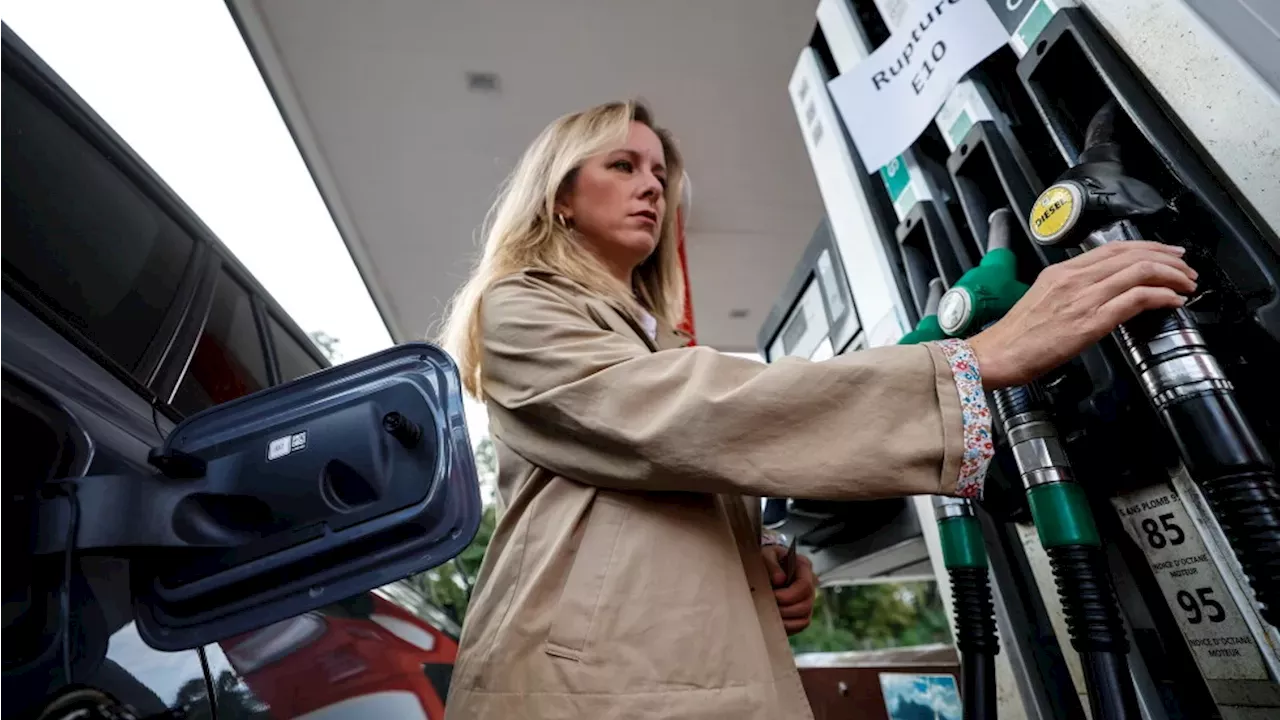
European Union nations have spent over $113.5 billion (more than 100 billion euros) on extra energy imports since the Iran war began in February, forcing member states to urgently reevaluate their energy security and accelerate the search for alternatives. The unprecedented financial drain has driven consumer pump prices up by nearly 50% in some European countries, translating to costs of more than $11 a gallon.
What Changed
The drastic market shifts followed the closure of the Strait of Hormuz, a critical maritime corridor through which one-fifth of the world’s traded oil passed in peacetime. This chokepoint closure severely restricted global energy flows, sending European natural gas prices surging. Gas prices have nearly doubled since July, reaching about €79 per megawatt-hour. Consequently, European gas storage levels have fallen to their lowest late-September level since 2009, creating acute supply anxiety as the continent heads toward colder months.
Meanwhile, the geopolitical fallout continues to ripple through energy markets and national economies. In Iran, the currency fell to a new record low with traders exchanging more than 2.5 million rials to the U.S. dollar, dropping repeatedly to new lows since the war began.
Sector Impact and Business Implications
During a gathering in Dublin of energy ministers from across the 27-nation bloc, leaders confronted the severe economic toll of the crisis. EU energy commissioner Dan Jørgensen addressed the assembly, stating, “Times are serious.” Jørgensen highlighted a striking inefficiency in the current import structure, pointing out that despite spending over $113.5 billion in additional funds, member nations have not received “one extra molecule of gas or oil.”
High energy costs are filtering down across industrial and consumer sectors, squeezing household budgets and inflating operating costs for businesses throughout the bloc. With consumers paying up to 50% more at the pump—equivalent to more than $11 a gallon—transportation, logistics, and manufacturing supply chains face immediate margin pressures.
Supply Exposure and Diesel Vulnerability
Fatih Birol, executive director of the International Energy Agency (IEA), emphasized the continent’s acute vulnerability regarding diesel supplies. “Europe is one of the most exposed regions — if not the most exposed one — when it comes to diesel because Europe imports a huge amount of diesel and we are entering the harsh season, the winter season,” Birol noted.
Data highlights that approximately 50% of Europe’s diesel supply comes directly from the United States. While Ireland’s minister for climate, energy and the environment, Darragh O’Brien, stated that a U.S. diesel ban is “unlikely” because it would harm economies on both sides of the Atlantic, uncertainties remain, and European officials acknowledge they must prepare for potential supply disruptions.
Key Benefits and Homegrown Solutions
To break the cycle of expensive foreign dependence, EU leadership is pivoting firmly toward domestic and renewable production. “We need to get out of that dependency. We need to replace the fossil fuels, the imported, polluting, expensive molecules with homegrown energy: green electrons,” commissioner Jørgensen asserted.
Individual member states are already leveraging domestic models to insulate themselves from global market shocks. For example, Finland’s environment minister, Sari Multala, highlighted that nuclear reactors, turbines, peat bogs, and hydropower dams currently provide 95% of Finland’s electricity, offering a resilient template for regional stability.
Risks, Limitations, and What to Watch Next
Despite the clear push for green alternatives, Europe faces significant hurdles. Building out infrastructure for green electrons takes time, capital, and complex regulatory coordination, leaving the bloc exposed to immediate winter shortages if the Strait of Hormuz remains closed or volatile.
Energy analysts and market participants will closely monitor storage replenishment rates, winter weather severity, geopolitical developments surrounding the Strait of Hormuz, and potential shifts in transatlantic trade policies regarding diesel exports as the heating season progresses.