
Introduction
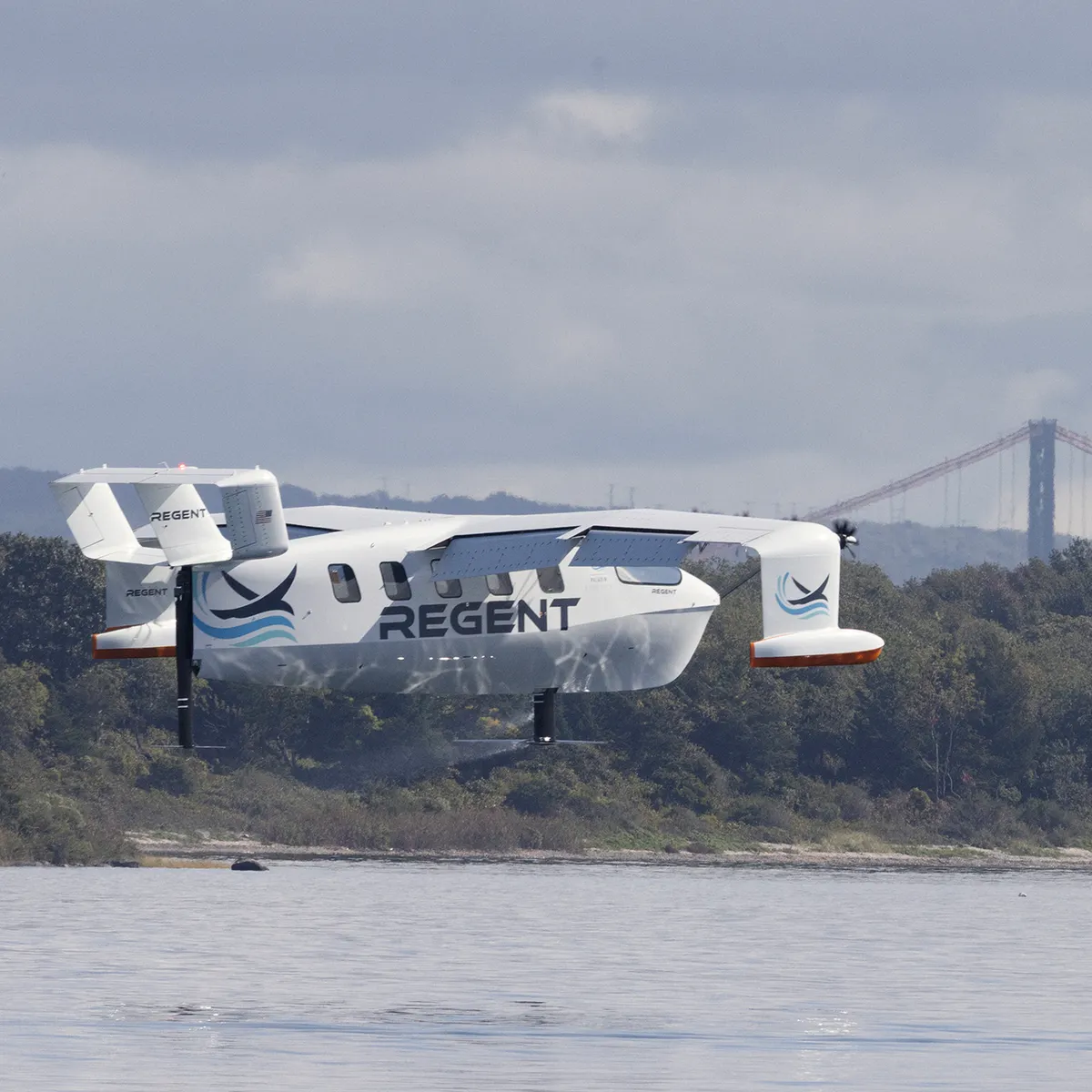
The Seaglider electric plane-boat hybrid takes flight in first public demo, marking a notable milestone for maritime and aviation technology. Public demonstrations of emerging transportation concepts offer critical visibility into alternative transit engineering, drawing attention from industry observers, municipal planners, and technology analysts alike. As transportation sectors worldwide search for sustainable and efficient operational alternatives, hybrid designs that bridge maritime vessels and airborne flight continue to capture professional interest.
What Changed
The Regent Seaglider electric plane-boat hybrid has completed its first public demonstration flight, according to reporting published by Smart Cities Dive. This milestone shifts the vehicle from private concept development and closed testing into public view, showcasing the hybrid capabilities of a craft designed to operate across both water and air environments. Publicly exhibiting a prototype provides a clear marker of progress for any engineering firm transitioning from theoretical designs to physical deployment.
Context
Alternative transportation models continue to attract development focus as engineers explore hybrid mechanisms that merge maritime vessel characteristics with airborne flight principles. The Seaglider concept sits directly at this intersection, aiming to leverage surface-effect or flight dynamics to alter how coastal and inter-island routes might be serviced in the future. Traditional coastal and marine transportation often faces infrastructure and speed limitations, prompting developers to look at vehicles that can bypass surface congestion by utilizing flight mechanics while retaining water-handling flexibility.
Why It Matters
Demonstrating new transport vehicles publicly allows stakeholders to observe operational mechanics firsthand. For electric maritime and aviation concepts, public flights provide a tangible baseline for discussing future infrastructure needs, regulatory oversight, and potential integration into existing transit networks. When a novel vehicle transitions from a digital render or closed testing facility to a public demonstration, it opens the door for broader discussions among municipal leaders, potential commercial operators, and regulatory bodies.
Technical and Business Implications
Integrating electric propulsion into a craft that transitions between water and air introduces distinct engineering and economic factors. From a technical perspective, balancing battery weight, hull hydrodynamics, and aerodynamic lift requires sophisticated balancing of forces. Designers must ensure the craft handles safely both while floating on the water and while operating in an airborne or surface-effect regime. From a business perspective, successful public demonstrations can influence investor confidence, stakeholder partnerships, and long-term commercialization strategies. Demonstrable progress validates the engineering team’s milestones to backers and prospective clients.
Sector Impact
The broader transportation sector closely monitors innovations that promise to reshape regional mobility. If hybrid plane-boat vehicles successfully mature into commercially viable transit options, they could impact regional ferry routes, coastal tourism logistics, and inter-island supply chains. Municipal planners tracking sustainable transit initiatives look to these developments to understand how future electric fleets might dock, charge, and integrate with local transit hubs without requiring entirely unprecedented infrastructure footprints.
Risks and Limitations
Available details regarding the demonstration remain constrained to initial reporting from Smart Cities Dive. Because the provided research brief contains no specific data points, quotes, technical specifications, prices, dates, or performance metrics, further analytical claims or operational conclusions cannot be verified at this time. Observers must exercise caution and avoid extrapolating unverified capabilities regarding range, passenger capacity, or regulatory certification timelines until official and verifiable specifications are released by the developer.
Who May Be Affected
If development continues successfully, stakeholders across multiple industries could experience shifts in their operational environment. Coastal transportation operators, municipal transit authorities, regulatory agencies tasked with maritime and aviation safety, and local communities dependent on marine transit are all potential participants in the ecosystem surrounding electric hybrid water-air craft. Each group will need to evaluate how such vehicles align with existing safety codes, environmental standards, and economic models.
What to Watch Next
Observers will monitor subsequent announcements from Regent regarding follow-up testing phases, regulatory milestones, and potential deployment partnerships as the electric plane-boat hybrid progresses beyond its initial public appearance. Key areas to track include further flight test disclosures, engagement with transport authorities, and any announcements regarding pilot routes or commercial testing agreements.
Attribution and Sources
This report is based on information provided by Smart Cities Dive regarding the Regent Seaglider public demonstration.