
Introduction
In 2020, Google faced a deeply challenging period across its hardware division. The company dealt with a flailing flagship whose central feature was disrupted by a global pandemic, alongside massive supply shortages and grand strategic plans for the future that were abruptly put on hold. Out of this turbulent backdrop emerged the Pixel 5. While initial reactions categorized it carefully, a retrospective published on October 3, 2026, by Ben Schoon argues that the device deserves renewed appreciation for how it handled a difficult landscape.
Rather than pushing forward with traditional, uncompromising flagship ambitions during a crisis, Google pivoted. Reviewer Damien Wilde famously evaluated the device upon its release as an “exercise in compromise.” Yet, as time has shown, that very compromise allowed the device to age quite well by nailing down the fundamental aspects of daily hardware performance.
What Changed in 2020
The year 2020 disrupted consumer electronics development cycles worldwide. For Google, these external pressures collided with internal timeline shifts. According to available development insights, Google apparently wanted its custom Tensor chipset to debut around the Pixel 5’s timeframe, rather than launching a year later on the Pixel 6. Because those broader futuristic plans were forced on hold by circumstance, the hardware team had to craft a device under immense constraint.
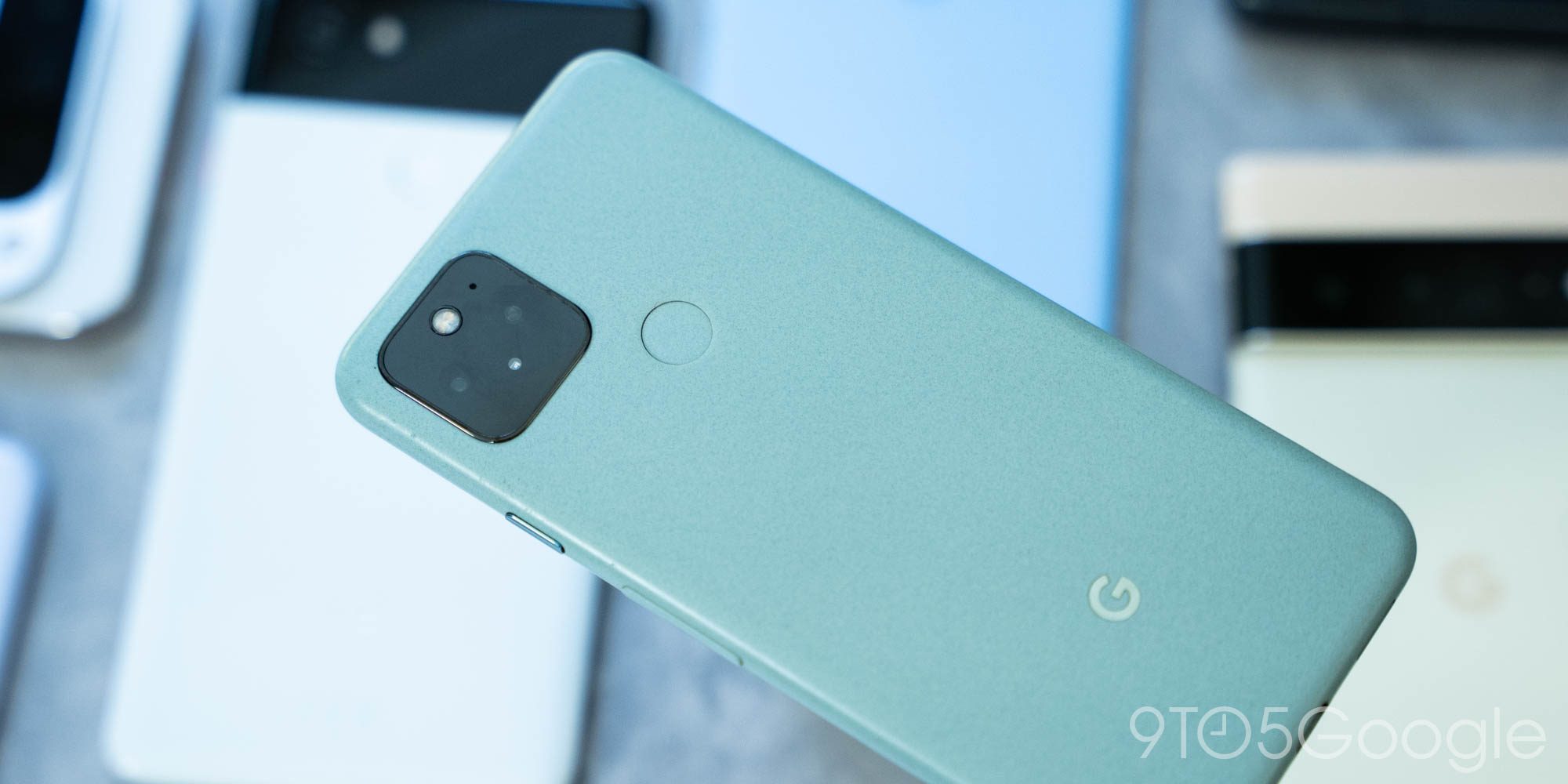
The resulting hardware departure was stark. The Pixel 5 featured a less powerful chipset than traditional top-tier competitors, wrapped in a unique plastic “bio-resin” exterior instead of the customary heavy metal and glass sandwiches seen in prior generations. This shift altered both the tactile experience and the internal cost structure of Google’s smartphone line.
Context: Addressing Pixel 4 Failings
To understand the design choices behind the Pixel 5, one must look at what preceded it. The device directly addressed several shortcomings of the Pixel 4. Google listened to user feedback by returning to a physical rear fingerprint sensor, packing a larger battery capacity, and offering a form factor that felt much more familiar and reliable to long-time Android users.
Furthermore, the bio-resin material introduced practical advantages over standard plastics. It added extra grip for users and felt a bit more premium compared to the plastic shell used on the Pixel 4a. Despite being sold at a flagship price point at launch, analysts and retrospective reviews note that the device ultimately functioned much more like a well-tuned mid-range category fit.
Key Benefits and Features
Beyond its physical construction, the Pixel 5 carved out a unique legacy for software and media services. Most notably, it stands out in hardware history as the last Pixel smartphone sold with free unlimited Google Photos backup at reduced quality. For many photography enthusiasts, this perk alone extended the practical utility and value proposition of the phone long after its initial market run.
By focusing on reliability, ergonomics, and battery endurance rather than raw processing power, the device avoided many of the thermal and power-drain issues plaguing contemporary high-end silicon. It prioritized what everyday users actually needed during a global shift toward remote work and home-bound communication.
Risks, Limitations, and Uncertainties
Compromises inherently carry downsides. By utilizing a less powerful chipset and stepping away from ultra-premium materials, the device faced criticism from buyers expecting traditional flagship muscle for the asking price. Its positioning straddled the line between mid-range components and high-tier pricing.
Additionally, historical transparency remains incomplete. Industry observers note that we will probably never know all of the precise details surrounding its development regarding when Tensor was intended to debut, or how internal team decisions shifted as supply chains fractured globally in 2020.
Business Implications and Sector Impact
From a business perspective, the device illustrates how hardware manufacturers can survive unprecedented macroeconomic disruptions. By pivoting away from complex, high-risk flagship components during a global shortage, Google maintained a market presence and kept its hardware pipeline alive.
The strategy bought the company time to regroup for the eventual transition to custom silicon with the Pixel 6 series. It proved that consumers are often forgiving of technical compromises if the core daily fundamentals—such as battery life, biometric convenience, and grip security—are executed properly.
Who May Be Affected
Long-term Android enthusiasts, vintage tech collectors, and users tracking the evolution of Google’s hardware philosophy feel the most impact from this retrospective view. Furthermore, consumers tracking the lifespan of cloud-storage perks remember the device as the final gateway to Google’s legacy unlimited photo backup era.
What to Watch Next
As Google continues to iterate on its custom Tensor architecture and refine its modern hardware lineup, retrospectives like the one published in October 2026 offer valuable lessons on adaptability. Observers will continue to watch how hardware divisions balance ambitious custom silicon development against unforeseen global supply constraints in future device cycles.