
What Changed
The city of Malibu has officially delayed the next phase of its automated traffic monitoring initiative, pushing back the launch of its PCH speed cameras to November. The system was originally scheduled to begin operation in September. Under the revised timeline, the deployment will start with a designated 60-day warning period intended to notify motorists of speed violations before monetary penalties are issued.
During this initial 60-day window, automated notifications will be issued to drivers caught exceeding the posted speed limit by specific margins. Active monetary enforcement and fines will commence sometime after the 60-day warning period concludes, establishing a phased implementation schedule for automated speed monitoring along the corridor.
Key Details of the Camera Deployment
The automated enforcement system incorporates 10 cameras strategically positioned along a 21-mile stretch of the Pacific Coast Highway (PCH) passing through Malibu. The technology is designed to continuously monitor traffic flow and record vehicle speeds across this heavily traveled coastal highway.
The 60-Day Warning Period
The upcoming phase introduces a structured 60-day educational grace period for motorists passing through the city. Rather than immediately imposing financial penalties, the city will issue written warnings to drivers flagged by the equipment during the inaugural two months of operation.
Speed Thresholds and Enforcement Timeline
Automated detection targets drivers operating vehicles at speeds significantly above the legal threshold. Specifically, drivers going 11 mph or more over the posted speed limit will trigger the system and receive a warning during the initial 60 days.
- Camera Count: 10 automated speed cameras
- Coverage Area: 21-mile corridor along Pacific Coast Highway
- Warning Threshold: 11 mph or more over the posted speed limit
- Grace Period Duration: 60 calendar days
- Fine Implementation: Slated to start sometime after the 60-day warning period ends
Context: Public Safety Emergency on PCH
The push to install automated enforcement technology follows formal municipal action by local officials responding to severe traffic fatalities and chronic reckless driving along the thoroughfare. The Malibu City Council declared a local emergency over dangerous conditions posed by reckless and speeding drivers along PCH, seeking immediate tools to curtail high-speed driving behaviors.
The Oct. 19, 2023 Tragedy
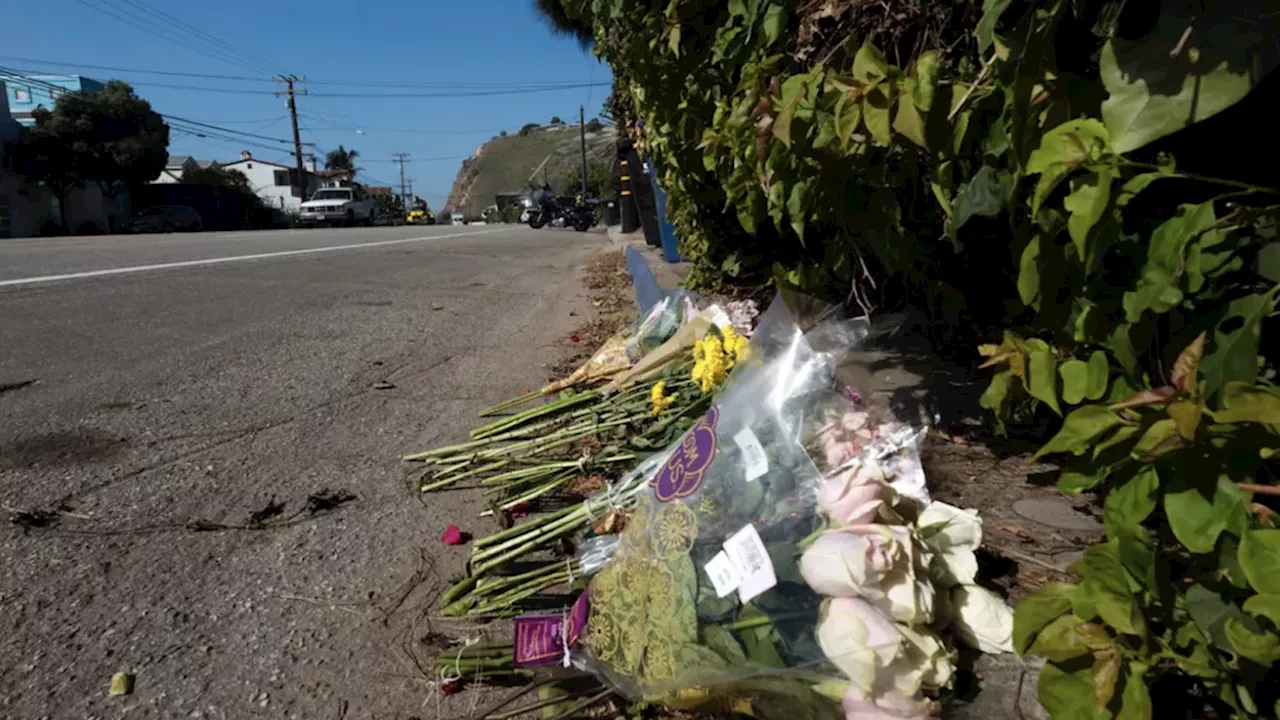
The emergency declaration and subsequent speed camera program were directly spurred by a catastrophic incident on Oct. 19, 2023. During that crash, four college students standing along PCH were killed and two others were injured when a vehicle struck them. The driver responsible for hitting and killing the four college students on PCH was subsequently charged with murder.
Additional Speed-Related Incidents
The tragedy involving the college students highlights a broader pattern of high-speed collisions on the coastal highway reported by outlets including LAist. In a separate incident on PCH, 51-year-old Nobu Malibu chef Ryo Uchimiya was killed when a speeding Range Rover struck his parked car while he was asleep inside the vehicle.
Sector and Business Implications
The implementation of automated speed enforcement along a primary state highway represents a significant technological and policy intervention for municipal traffic management. The deployment, associated with $1.7 million in project funding figures, reflects a growing reliance on camera-based enforcement infrastructure to regulate public roadways where traditional police stops may present physical or operational challenges.
For local businesses, workers, and visitors along the 21-mile stretch of PCH, the system introduces new operational considerations for daily commutes and deliveries. Hospitality operations along the corridor, such as Nobu Malibu, sit directly adjacent to the high-volume traffic zone where speeding collisions have previously caused fatal disruption.
Program Limitations and Uncertainties
While the schedule for the warning period is established for November, key operational details regarding the post-warning phase remain unspecified by city administrators:
- Exact Fine Launch Date: The precise calendar date for when monetary fines will begin has not been defined, other than taking effect sometime after the end of the 60-day warning period.
- Long-Term Fine Structures: Specific financial schedules for penalty tiers following the warning phase depend on post-warning administrative rollouts.
What to Watch Next
As the city prepares for the November launch of the warning phase, motorists and local stakeholders should monitor upcoming announcements regarding the operational status of the 10 cameras. Key milestones include the formal commencement of warning notices in November, the conclusion of the 60-day grace period, and the official operational start date for fine collection along the 21-mile PCH enforcement zone.