
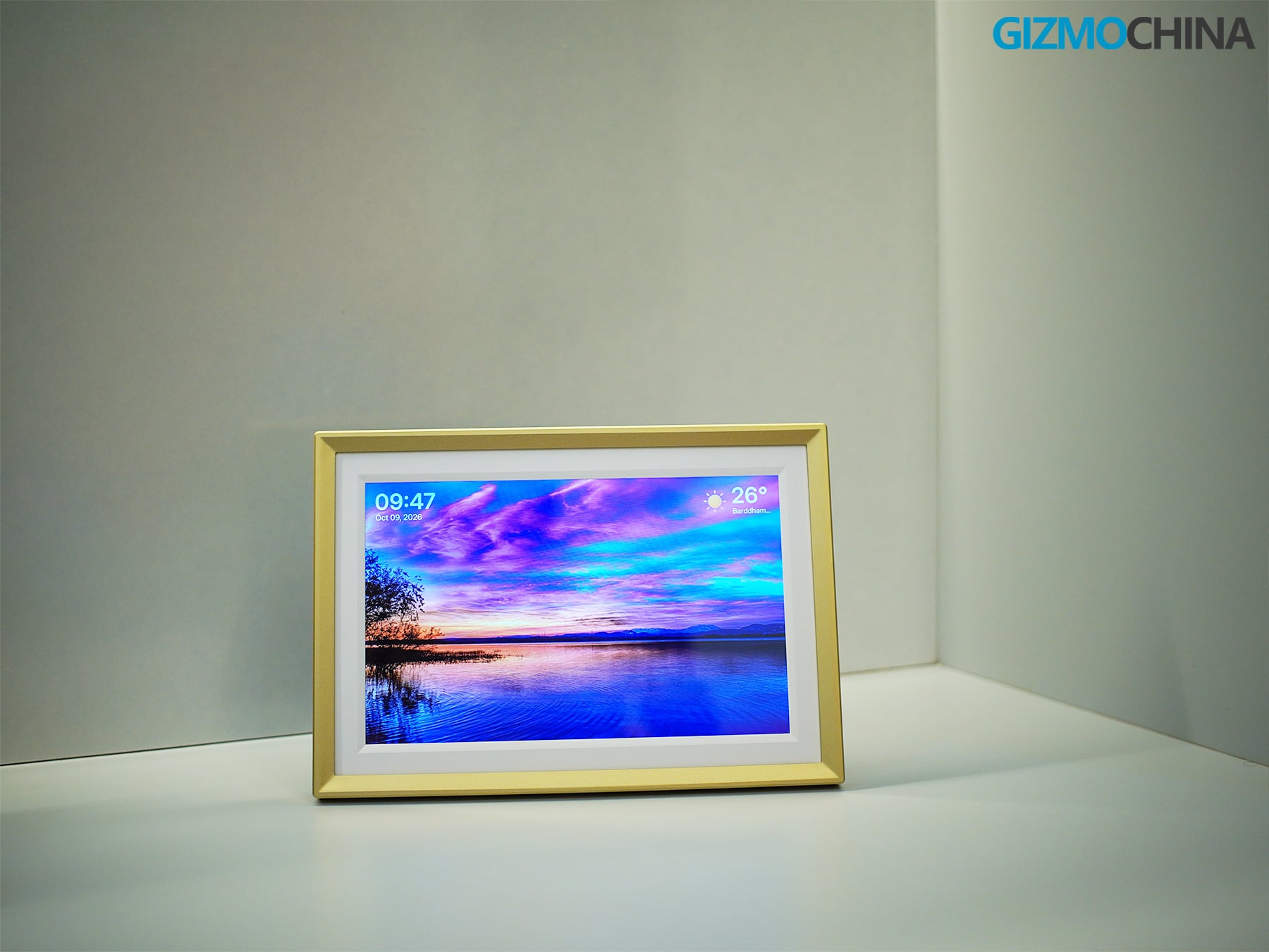
Technology hardware integration often focuses on adding screens to every aspect of daily life, but dedicated display categories continue to evolve to serve more specific purposes. Arzopa recently brought its smart picture frame lineup to India through a partnership with XElectron, introducing the Arzopa D10 WiFi Digital Photo Frame Review parameters into the market. Priced at Rs. 8,990, the device aims to give digital memories a dedicated physical space rather than merely acting as an auxiliary display screen. Available through major e-commerce platforms including Amazon India and Flipkart, the digital frame combines modern cloud connectivity with a physical aesthetic designed to mimic traditional printed photographs.
What Changed in the Market
The introduction of the device brings an alternative option for consumers seeking remote photo and video sharing capabilities without recurring subscription fees. While many digital photo frames require ongoing payments for cloud storage tiers, Arzopa offers unlimited cloud storage at no additional cost. The frame enters the Indian retail sector via XElectron, making it accessible through online storefronts like Amazon India and Flipkart at a price point of Rs. 8,990.
Design and Hardware Specifications
At the core of the hardware is a 10.1-inch IPS touchscreen featuring a 1280 × 800 pixel resolution and a 16:10 aspect ratio. The physical presentation utilizes a champagne-gold metal frame coupled with a white border. According to review observations, this combination creates the visual impression of a traditional printed photograph inside a conventional frame.
The display is coated with a matte anti-glare finish, which provides photographs with a softer finish resembling physical prints rather than a glossy digital monitor. The IPS panel offers wide viewing angles and natural-looking photographs that maintain pleasing colors and well-balanced brightness levels.
For placement, the hardware supports both portrait and landscape orientations with automatic rotation. It ships with a detachable metal stand featuring a rubberized grip, and it also accommodates wall mounting. Connectivity options on the device include a USB-C port, memory card support, integrated Wi-Fi, and a physical power button. However, the device lacks a built-in battery and must remain connected to a continuous power outlet during operation.
Storage and Cloud Capabilities
Storage capacity is rated at 32GB of internal memory. The manufacturer states that this internal capacity can accommodate over 80,000 photographs, though the actual count depends heavily on individual file sizes and resolutions. Beyond local storage, the frame connects to cloud services to facilitate remote content updates.
Users can manage content using a companion mobile application available for both Android and iOS platforms. The app supports multi-user remote sharing for both photos and short video clips, alongside features for managing playlists, customizing slideshow intervals, and applying transition effects. In addition to still images, the frame supports video playback up to two minutes long, utilizing a built-in speaker equipped with volume controls and a mute option.
Software and User Interface
Beyond displaying photos and videos, the software suite integrates practical widgets including a clock, calendar, and weather updates. Users can also configure customizable sleep scheduling to turn off the display during specific hours.
Despite these functional additions, reviewer feedback highlighted certain friction points within the software navigation. Specifically, configuring the Indian time zone presented issues, and time settings were described as being buried within multiple submenus. At present, it remains unconfirmed whether Arzopa will release a software update to address these time zone configuration and submenu navigation hurdles.
Business Implications and Sector Impact
The launch highlights a growing emphasis on subscription-free home tech ecosystems. By eliminating ongoing cloud storage fees while maintaining multi-user remote app sharing, the product targets consumers hesitant to adopt recurring service costs for simple home gadgets. Distribution through established channels like Amazon India and Flipkart broadens its market visibility.
Risks and Limitations
While the hardware offers several advantages, prospective buyers must consider notable limitations:
- Power Dependency: The absence of an internal battery means the frame requires a permanent connection to a power outlet, restricting placement options near wall sockets.
- Software Complexity: Time zone configuration and settings are hidden within multiple submenus, creating initial setup friction.
- Unconfirmed Updates: Whether software patches will streamline the menu layout or resolve time zone configuration challenges is currently unconfirmed.
What to Watch Next
Observers will monitor consumer reception on Amazon India and Flipkart to see if subscription-free cloud frames gain traction over rival models. Future software updates from Arzopa will also indicate how responsive the company is to user interface complaints regarding menu organization and regional time zone setup.