
Introduction
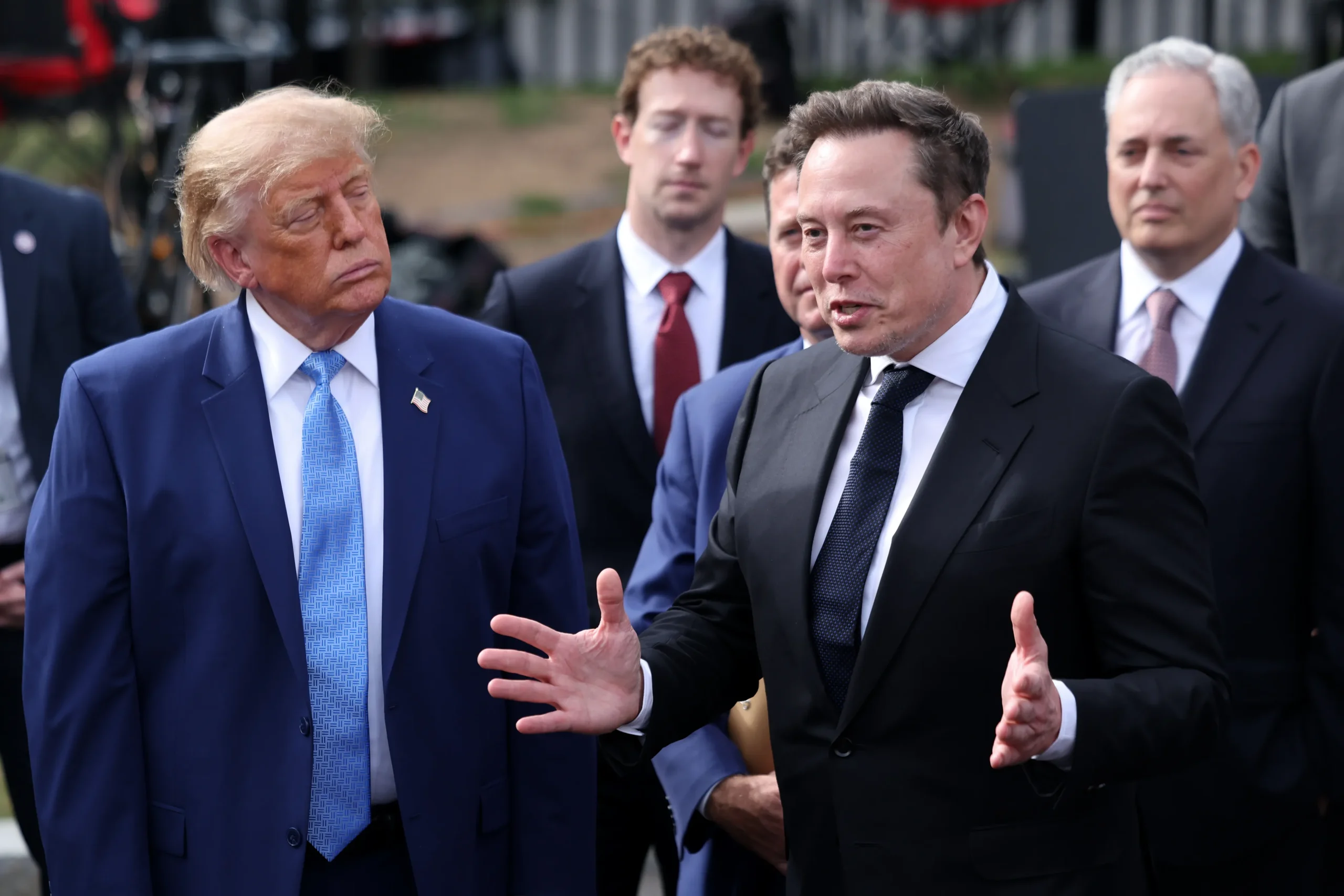
Can super intelligence and a non-binding safety pact solve AI’s image problem? This question sits at the center of a high-profile gathering hosted by President Donald Trump this week. Major technology executives converged to discuss the future of the industry, address public concerns, and engage with the highest levels of the U.S. government.
The meeting brought together prominent industry figures, resulting in a signed agreement and an unexpected executive order. However, beneath the surface of the official proceedings, deeper policy tensions and questions regarding enforcement remain.
What Changed
During the recent high-level gathering, President Donald Trump hosted major artificial intelligence executives at the White House. A central development from the meeting was an executive order announcing that the U.S. government is officially calling the technology ‘super intelligence’ instead of artificial intelligence.
Alongside this nomenclature shift, executives participated in a luncheon where they signed a ‘Joint Commitment on Frontier Responsibilities’ pact. Notably, the signed physical agreement contained a misspelling of the United States.
Tech leaders in attendance included Mark Zuckerberg, Jeff Bezos, Elon Musk, and Anthropic CEO Dario Amodei. Prior to the main luncheon, Dario Amodei attended a 10 p.m. dinner with President Trump.
Context
The high-level meeting and subsequent executive actions arrive amid persistent public anxiety over advanced computing systems. Observers and analysts note that the executive order and meeting may serve as a rebranding effort around AI to counter widespread fears that the technology is dangerous, will cause harm, or will displace workers.
President Trump explicitly referenced these public anxieties, stating: ‘AI is going to kill us, it’s scary, it is going to take jobs — but super intelligence is not.’
Conversely, other political voices have expressed total opposition to oversight. Opponents of restriction argue: ‘We don’t need any of this, we need to lead in AI, we can’t constrain it in any way, we don’t need any regulation, anyone who’s saying that there’s any danger from AI is essentially a Chinese or Democratic plant.’
Business Implications
The newly signed ‘Joint Commitment on Frontier Responsibilities’ is legally non-binding and voluntary. While President Trump described the pact as ‘morally binding,’ industry analysts suggest that the agreement itself is unlikely to lead to any major operational or strategic changes for participating corporations.
Instead, the event functioned largely as political theater that was rushed to come together. For corporate leaders like Mark Zuckerberg, Jeff Bezos, and Elon Musk, participation highlights the delicate balance between maintaining favor with the federal administration and managing public perception regarding safety.
Sector Impact
The summit also brought underlying friction between tech firms and the federal government into public view, particularly regarding Anthropic. Anthropic CEO Dario Amodei attended the 10 p.m. dinner with President Trump prior to the luncheon, raising questions regarding how informed the President was during the interaction, particularly in light of prior coverage by Time magazine.
Despite Amodei’s presence, different parts of the White House hold contrasting stances on Anthropic. The Treasury Secretary appears to be a supporter of the company. However, the Defense Department and figures like Emil Michael on X view Anthropic as a national security risk or label the company as ‘woke.’
This friction stems directly from conditions that Anthropic wanted to place on its technology, leaving the true status of the relationship between the Trump administration and Anthropic uncertain.
Risks and Limitations
Because the signed pact relies entirely on voluntary compliance, it lacks teeth. Critics point out that voluntary frameworks do not provide robust legal guarantees against potential harms or corporate overreach.
Furthermore, internal government divisions—exemplified by the clash between the Treasury Department’s receptive stance and the Defense Department’s classification of Anthropic as a security risk—demonstrate that a unified federal policy toward advanced technology remains elusive.
Uncertainties also linger regarding the genuine repair of relationships between the administration and specific firms, as well as the precise coordination behind high-level scheduling and executive directives.
What to Watch Next
As the industry digests the rebranding of artificial intelligence to ‘super intelligence,’ stakeholders will monitor whether future federal guidelines move beyond voluntary, morally binding pledges into enforceable regulation.
Observers will also track how the Defense Department handles its ongoing disagreements with firms like Anthropic over technology deployment conditions, and whether Treasury and White House leadership can smooth over national security friction.
Attribution
Reporting for this overview draws on coverage and records from TechCrunch, statements made by President Donald Trump, and public disclosures from industry executives including Dario Amodei, Mark Zuckerberg, Jeff Bezos, and Elon Musk, alongside commentary from Emil Michael.