
What Changed
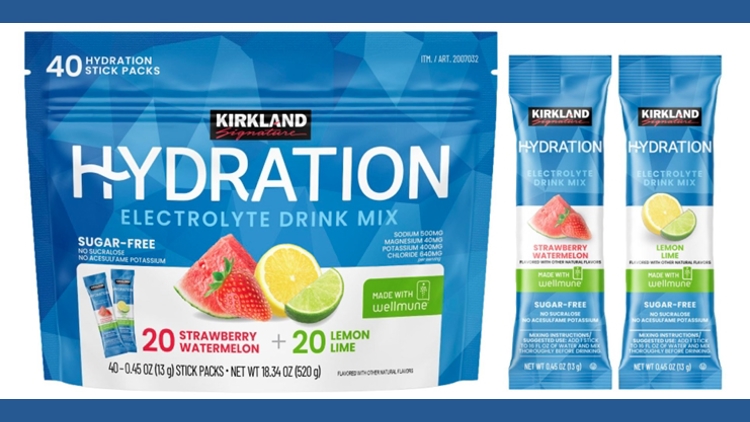
Costco has been targeted in a legal filing involving its private-label Kirkland Signature brand product line. Specifically, a lawsuit has been filed over a Kirkland drink mix that was marketed and labeled as “sugar-free.” According to the legal challenge, the product actually contains a form of sugar despite the explicit labeling claims.
As retail giants increasingly rely on private-label lines to drive customer loyalty and profit margins, product labeling controversies carry substantial legal and operational weight. This particular dispute centers on consumer trust, ingredient transparency, and how regulatory standards are applied to store-brand merchandise.
Context and Background
Private-label products, such as Costco’s Kirkland Signature brand, have become a cornerstone of modern warehouse retail. Offering lower prices than name brands, these lines rely heavily on consumer confidence in the retailer’s quality control and transparency. When claims regarding ingredients—such as dietary attributes like “sugar-free”—are challenged, it strikes directly at the value proposition of private-label offerings.
In recent years, consumer advocacy groups and individual plaintiffs have scrutinized food and beverage labeling with increasing frequency. Claims regarding sugar content, organic certifications, and artificial ingredients are frequent subjects of class-action lawsuits and regulatory inquiries.
The reliance on third-party manufacturers to produce store-brand items introduces additional layers of oversight. Retailers must coordinate closely with suppliers to verify that nutritional disclosures align precisely with manufacturing specifications and regulatory definitions.
Business Implications
For large-scale retailers like Costco, the business implications of a labeling lawsuit extend beyond immediate legal defense costs. Private-label brands represent a significant portion of overall revenue and customer retention strategy. Any disruption or shadow of doubt cast upon the integrity of a major brand like Kirkland Signature can influence consumer purchasing decisions.
Retailers must manage complex supply chains involving third-party manufacturers, ingredient sourcing, and regulatory compliance across various jurisdictions. Ensuring that product labels accurately reflect chemical and nutritional realities is a critical operational challenge for private-label stewardship.
Maintaining consumer loyalty depends heavily on perceived product authenticity. When a core private-label item faces scrutiny, it can prompt internal audits and reviews across entirely separate product categories to preemptively mitigate similar legal vulnerabilities.
Sector Impact
The retail and consumer packaged goods (CPG) sector watches labeling litigation closely. When a major player like Costco faces legal scrutiny over marketing claims, other retailers and manufacturers often review their own packaging, ingredient disclosures, and promotional materials to mitigate similar risks.
Transparency has become a key market differentiator. As consumers demand greater clarity regarding nutritional content, dietary restrictions, and ingredient origins, any discrepancy between front-of-package marketing and actual ingredient lists can trigger swift legal and reputational consequences.
Industry-wide standards for marketing terminology continue to evolve under the watchful eye of both regulators and consumer litigators. Consequently, legal actions involving household names serve as bellwethers for compliance practices across the entire grocery and warehouse retail landscape.
Risks and Limitations
At this early stage, many details regarding the specific allegations, the exact form of sugar in question, and the legal arguments remain restricted to the initial filings. Because the research record is limited to the core fact that Costco is being sued over the product, definitive conclusions regarding liability, damages, or potential product recalls cannot be drawn.
Furthermore, navigating complex food labeling regulations involves interpreting intricate legal definitions and scientific classifications of various carbohydrates and sweeteners. How the court evaluates the presence of a specific form of sugar relative to the “sugar-free” claim will set an important benchmark for future disputes.
Absence of broader investigative data means that public understanding is currently bounded by the initial legal documents. Observers must exercise caution before drawing definitive conclusions about supply chain accountability or manufacturing oversight.
What to Watch Next
Observers will monitor the case for subsequent legal developments, including Costco’s formal response in court, potential class certification motions, and any statements from the company regarding its ingredient sourcing or product formulation. Additionally, any decisions or adjustments regarding the labeling or distribution of the Kirkland drink mix will provide further insight into how the retailer plans to address the challenge.
Further updates from judicial proceedings will help clarify the specific technical claims made by the plaintiffs and the defensive arguments presented by Costco’s legal representatives.