
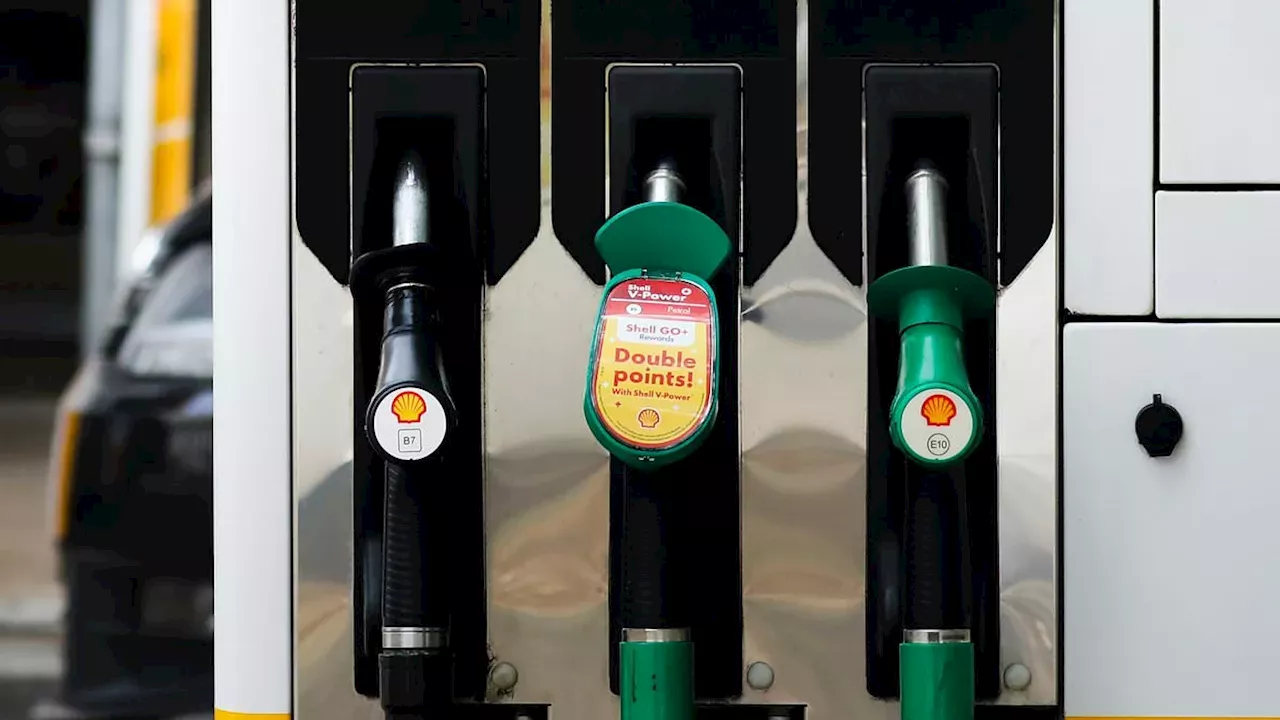
In a coordinated international effort to calm rapidly escalating energy markets, European and G7 nations have agreed to an emergency diesel reserve release of up to 100 million barrels from strategic fuel stockpiles. The decision, finalized during a high-stakes call among G7 leaders on Friday, comes after US President Donald Trump issued warnings of a potential 90-day US diesel export ban and exerted direct political pressure on European allies. With retail diesel prices in the United Kingdom surpassing £2 a litre for the first time in history, international officials intend for the joint intervention to stabilize energy supplies, build resilience in supply chains, and shield households and businesses from severe economic price shocks.
What Changed: The Joint G7 Stockpile Release Plan
Under the newly forged agreement, member countries including Great Britain, France, and Germany will immediately begin drawing down their strategic diesel reserves. The total intervention encompasses up to 100 million barrels of diesel to be injected into global commercial markets over a four-month timeframe.
To maximize early market impact and halt immediate price spikes, the release mechanism features a substantial frontloaded delivery schedule. A major portion of the 100 million barrels will be deployed into distribution networks within the first 20 days of the operation. This rapid mobilization is intended to alleviate acute physical shortages, reassure nervous commodity trading markets, and offset supply bottlenecks before upcoming seasonal demand spikes.
Global Supply Disruption and Market Context
The decision to deploy emergency fuel stockpiles follows months of severe structural strain on global refined product markets. Supply conditions deteriorated significantly after the United States launched a war with Iran in February. The conflict triggered widespread maritime disruptions, particularly across vital energy transit routes in the Strait of Hormuz and the Red Sea, where repeated Houthi attacks have restricted commercial tanker throughput.
Simultaneously, international refining capacity has faced severe constraint from major global exporters:
- Russia: Imposed an explicit ban on diesel exports after ongoing Ukrainian attacks damaged key domestic refining facilities and reduced production capacity.
- China: Introduced strict export restrictions on refined petroleum products, curtailing the flow of Asian fuel shipments to Western markets.
- United States: Domestic refining capacity faced growing political and structural pressure, prompting Washington to evaluate restrictions on outgoing fuel shipments.
These compounded supply shocks created a global shortage, leaving consumer nations vulnerable to unprecedented fuel price inflation.
US Political Pressure and Export Restrictions
The immediate catalyst for Friday’s G7 intervention was an aggressive political push from Washington. President Trump urged European nations to release national reserves in an effort to bring down retail fuel prices ahead of the upcoming US midterm elections next month.
As leverage, the White House threatened to enforce a 90-day US diesel export ban to retain domestic refining output. Industry experts claimed that the White House effectively bullied European leaders into opening their emergency vaults by threatening to sever transatlantic fuel deliveries.
However, the proposed US export restriction drew domestic backlash within the American energy sector. Texas refiners and industrial energy leaders warned that a 90-day diesel export ban would backfire, threatening to cripple American jobs, trigger severe domestic fuel shortages, and inadvertently drive international fuel prices higher.
Impact on the United Kingdom
The fuel crisis has severely impacted the British economy. UK retail diesel prices have officially broken past the £2-per-litre threshold, marking an all-time high. Average prices at the pump have surged by more than 40 percent since the outbreak of the US-Iran war in February.
Official baseline figures illustrate the speed of the price surge:
- February 28 Baseline: Average cost of diesel stood at 142.38p per litre.
- Current Market Price: Diesel exceeds 200p (£2.00) per litre, representing an average price increase of 57.6p per litre.
The UK occupies a particularly vulnerable position due to its structural import dependencies and limited domestic storage capacity. Britain relies on the United States for approximately one quarter (25 percent) of its total diesel imports, leaving national supply chains exposed to policy shifts in Washington.
Stockpile Disparities Across Europe
The release strategy has exposed significant structural disparities in emergency fuel storage capacity between Britain and mainland European allies:
- United Kingdom: Holds roughly 40 days of diesel supply in strategic reserve.
- European Union Average: Maintains approximately 80 days of diesel supply reserves.
- France and Germany: Possess extensive strategic stockpiles exceeding 200 days of diesel reserve capacity.
Because the UK holds a smaller reserve cushion, critics argued that contributing to a global stockpile release serves merely as a “temporary sticking plaster.” Industry analysts warned that Britain’s limited reserve depth leaves the country “perilously close to a full-blown economic fuel crisis” if baseline supply conditions fail to normalize over the next four months.
Government Response and Political Representation
Political representation during the emergency negotiations reflected unexpected leadership changes in London. Foreign Secretary Ed Miliband represented the United Kingdom during the crucial G7 leaders’ telephone conference. Miliband stepped in for Prime Minister Andy Burnham, who was absent while attending his father’s funeral.
Addressing national concerns over inventory levels, Transport Minister Keir Mather defended Britain’s energy security posture, asserting that the “United Kingdom has got a diverse range of supply when it comes to diesel.”
Despite official assurances, government sentiment behind closed doors was noticeably tenser. A UK Government source characterized official warnings emanating from Washington as “pretty unhelpful and very concerning,” particularly given ongoing maritime security threats in the Red Sea and supply blockades near the Strait of Hormuz.
Contingency Planning and Diesel Rationing Risks
Behind the scenes, British civil servants have begun preparing for worst-case scenarios. An unnamed government source revealed that UK officials are actively formulating contingency plans for emergency diesel rationing. These measures would be evaluated if a US export ban takes effect while Middle Eastern conflict and supply chain bottlenecks remain unresolved.
Industry observers stress that if global supply tightens again after the emergency reserves are deployed, the economic consequences for commercial hauliers, agricultural farmers, and consumer families will be devastating. Agricultural and logistics sectors operate on narrow margins and remain directly exposed to fuel price shocks during peak autumn harvest and winter freight transport periods.
Key Benefits and Strategic Limitations
Key Benefits
- Immediate Liquidity: Delivering up to 100 million barrels directly addresses spot market deficits, providing rapid price relief at retail pumps.
- Frontloaded Impact: Releasing a heavy volume of fuel within the initial 20 days prevents panic buying and stabilizes transport logistics.
- Multilateral Alignment: Coordinated action between G7 and EU partners prevents unilateral market hoarding and maintains trade trust.
Strategic Limitations
- Finite Cushion: Releasing reserves decreases emergency capacity heading into winter, leaving nations with smaller safety buffers if geopolitical conditions deteriorate further.
- Root Causes Unresolved: Drawing down storage tanks does not repair damaged Russian refineries, unblock Chinese export quotas, or end conflict in the Middle East.
- Asymmetric Burden: Nations with smaller reserves, such as the UK with 40 days of supply, face higher long-term risks than heavily buffered nations like France or Germany.
Who May Be Affected
The emergency measure directly influences several key economic sectors:
- Freight and Logistics Operators: Fleet managers and commercial hauliers facing unprecedented operating costs gain immediate, if short-term, margin relief.
- Agricultural Sector: Farmers relying on heavy machinery for harvest activities benefit from lower fuel overhead during a critical operational window.
- Household Consumers: Motorists faced with prices exceeding £2 per litre receive relief against compounding broader living costs.
- Refining and Fuel Imports: Energy traders and import facilities must adjust procurement schedules to absorb reserve volumes into commercial channels over the four-month window.
What to Watch Next
Over the coming weeks, market analysts and energy policymakers will monitor several critical milestones:
- 20-Day Execution Window: Whether the initial frontloaded release successfully lowers wholesale diesel spot prices across European and North American markets.
- US Midterm Elections: How political developments in Washington affect energy policy and whether threat of a 90-day export ban diminishes post-election.
- Middle East Shipping Routes: Security developments surrounding tanker passage through the Strait of Hormuz and Red Sea maritime corridors.
- UK Emergency Planning: Further government updates regarding potential fuel rationing contingencies or targeted support for transport operators heading into winter.