
Factual Lead
According to analysis published by Bank of America and reported by TheStreet, General Motors (GM stock) is positioned to experience a major financial benefit stemming from its latest vehicle redesign efforts, specifically focusing on the Silverado and Sierra truck lineups.
What Changed
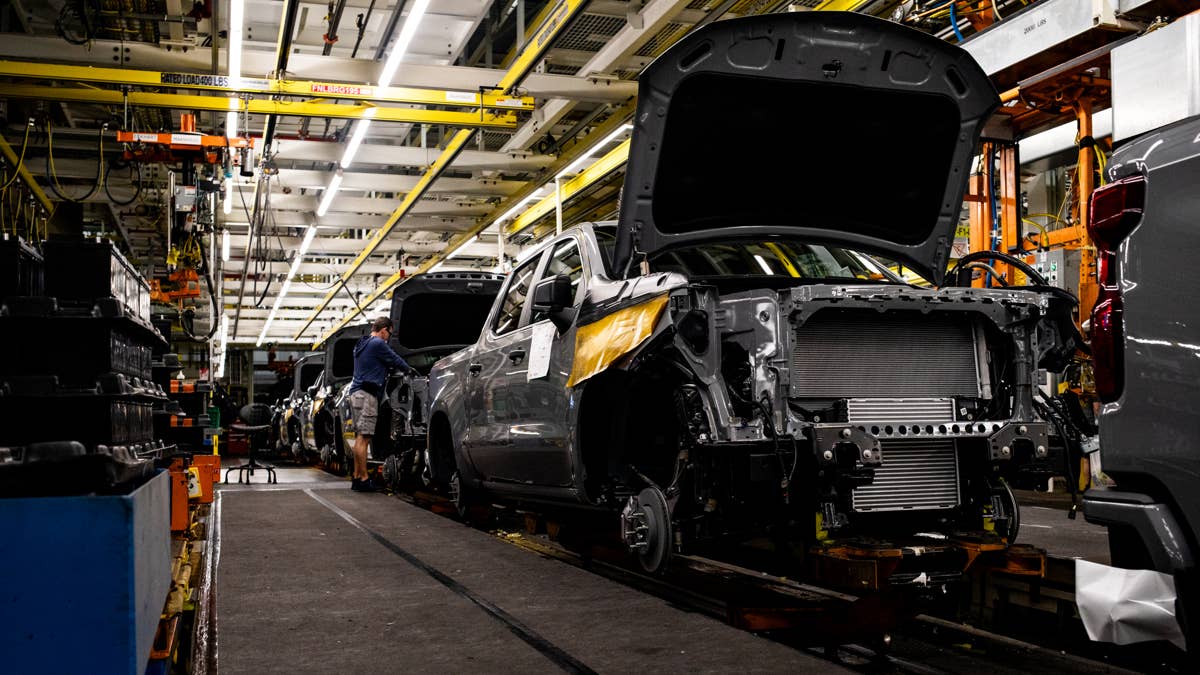
General Motors has rolled out significant updates and redesigns for its core truck offerings, namely the Chevrolet Silverado and the GMC Sierra. Financial institutions have closely monitored these vehicle updates to assess their potential impact on profit margins, average transaction prices, and overall market share. Bank of America issued an evaluation detailing how these refreshed truck platforms are expected to favorably influence corporate performance and valuation metrics for GM stock.
Context
Automotive manufacturers rely heavily on full-size pickup trucks as primary profit drivers. The competitive landscape for trucks in North America is intense, requiring continuous investment in platform updates, interior technology, powertrains, and exterior styling. General Motors has invested considerable resources into developing and manufacturing the latest iterations of its flagship trucks. Analysts track these model cycles carefully because successful launches typically translate to higher pricing power and stronger financial results during periods of robust consumer demand.
Why It Matters
Vehicle redesigns represent a critical juncture for traditional legacy automakers. Because full-size trucks generate a disproportionate share of automotive revenue and profitability, any favorable shift in consumer reception or operating efficiency directly affects the bottom line. Bank of America’s assessment highlights that these specific platform updates carry the potential to reinforce investor confidence in GM stock by demonstrating the company’s ability to refresh high-margin products successfully.
Business Implications
From a financial perspective, successful truck redesigns allow manufacturers to command higher transaction prices while managing production costs effectively. For General Motors, maintaining strong momentum in the truck segment supports broader corporate goals, including capital allocation strategies, shareholder returns, and ongoing investments in vehicle electrification and software platforms. When core internal combustion engine and hybrid truck lines perform well financially, they provide the necessary cash flow to fund long-term technological transformations.
Sector Impact
The broader automotive sector closely tracks performance metrics associated with flagship product refreshes. When a major legacy manufacturer updates high-volume vehicle architectures, competitors must evaluate their own pricing strategies, incentive structures, and product cadence. The evaluation by Bank of America underlines the commercial importance of keeping legacy vehicle lines competitive against rival offerings in the light-duty and heavy-duty truck segments.
Who May Be Affected
Investors holding GM stock represent a primary group impacted by the performance of these vehicle lines. Additionally, automotive dealerships, retail consumers purchasing full-size pickup trucks, and competing manufacturers in the domestic truck market experience direct effects from the market positioning of the redesigned Silverado and Sierra models.
Risks or Limitations
While analysts project positive outcomes, equity valuations and automotive performance remain subject to broader macroeconomic variables. Potential risks include supply chain disruptions, fluctuations in consumer credit availability, shifts in fuel prices, and broader economic cycles that influence large-ticket consumer purchases. Furthermore, competitive pressures from rival automakers can alter projected market share gains and pricing dynamics. Analysts note that projections carry inherent uncertainties tied to market reception and external economic conditions.
What to Watch Next
Market observers will monitor upcoming quarterly financial reports from General Motors to measure the actual impact of the Silverado and Sierra redesigns on average selling prices, operating margins, and overall unit sales volume. Tracking dealer inventory levels and retail incentive spending will also provide clearer insight into how effectively the new vehicle designs are resonating with buyers.
Attribution
This reporting is based on analysis and coverage originally detailed by Bank of America and published via TheStreet regarding the automotive sector and General Motors.