
Introduction
Holiday travel is expected to cost more this year due to rising gas prices and airfare. Consumers planning trips for the upcoming holiday season face elevated costs across multiple transportation sectors, driven by a combination of geopolitical factors, crude oil pricing dynamics, and shifting consumer demand patterns.
What Changed
The financial landscape for holiday travelers has shifted notably, with fuel and flight expenses climbing to elevated levels. Regular fuel has crossed a significant threshold nationally, while regional averages reflect similar upward pressures. At the same time, airfare has reached its highest amount in the past decade, driven in large part by increased jet fuel costs and sustained consumer interest in travel. Unlike previous periods where last-minute deals might offset costs, current market dynamics indicate that prices are not likely to drop as the holidays get closer.
Context and Background
The roots of these price increases stretch across international markets and post-pandemic consumer behavior. According to AAA spokesperson Daniel Armbruster, conflict overseas—specifically related to Iran and the Strait of Hormuz affecting crude oil prices—is part of the reason for elevated gas prices. Daniel Armbruster stated: “We continue to see elevated gas prices. Of course, a lot of that’s due to the price of crude oil, which remains elevated because of what’s happening with Iran and the Strait of Hormuz.” These crude oil fluctuations directly feed into the cost of refined fuels, impacting both motorists and the broader transportation network.
Business Implications and Market Dynamics
Beyond crude oil markets, the aviation sector faces unique economic pressures rooted in supply and demand. Brooke Harrington of Harrington Travel Co. points out that post-pandemic travel habits have fundamentally altered how airlines price their inventory. Brooke Harrington noted: “Within the travel industry since COVID, you have really seen, like, the people that book well in advance are the ones that are getting, you know, the lower prices for airfare.” Furthermore, robust consumer demand has given airlines additional pricing power. Brooke Harrington explained: “People are wanting to travel, too, and the airlines see that. So, it’s not necessarily just what’s going on in the Middle East. It’s a supply and demand from the airlines.”
Sector Impact
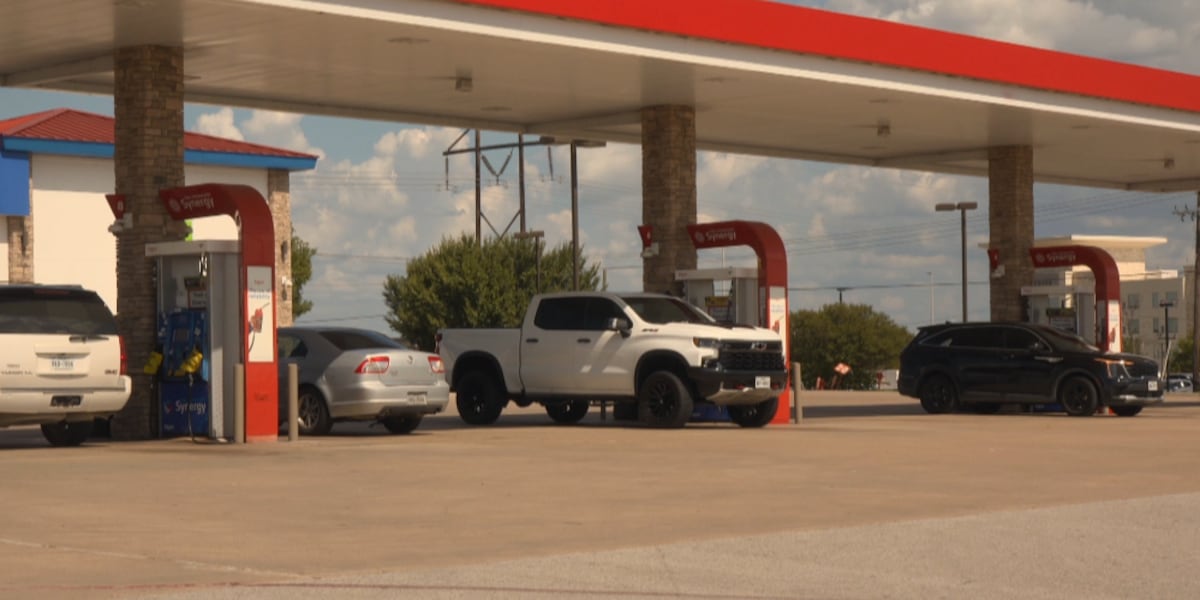
The transport and tourism sectors are experiencing direct repercussions from these economic headwinds. Regional pricing data underscores the breadth of the issue. Gas in Texas is averaging $3.93 a gallon, while the national average for regular fuel is over $4 a gallon. These fuel expenses compound the financial burden on road trippers, while commercial airlines grapple with high jet fuel costs that underpin decade-high airfares. Businesses dependent on holiday tourism must navigate how these consumer price barriers might influence booking volumes, trip durations, and overall spending.
Who May Be Affected
Individual consumers and families planning holiday road trips or flights bear the immediate brunt of these increases. Motorists filling up tanks in Texas and across the United States face higher per-gallon costs than in recent cycles. Similarly, vacationers and individuals visiting relatives for the holidays encounter steep air ticket prices. Travelers who have historically relied on late-book discounts find themselves particularly vulnerable to the current pricing structure, where waiting yields higher costs rather than savings.
Risks and Limitations
Navigating the current travel market involves distinct economic limitations and risks for consumers. Industry observers note that prices are not likely to drop as the holidays get closer, removing the safety net of last-minute discounts. Relying on deferred planning carries a high financial penalty under current market conditions. Furthermore, because crude oil pricing remains tied to volatile geopolitical events in the Middle East, unforeseen developments could introduce additional pricing instability.
What to Watch Next
As the holiday season approaches, industry analysts and travelers will monitor several key indicators. Observers will track developments in the Middle East, particularly around the Strait of Hormuz, for any signals of relief or further strain on crude oil markets. Additionally, experts continue to recommend specific mitigation strategies for consumers. Booking early, staying flexible on travel dates, and watching for deals are recommended ways to save money amidst the broader upward trend in travel expenses.