
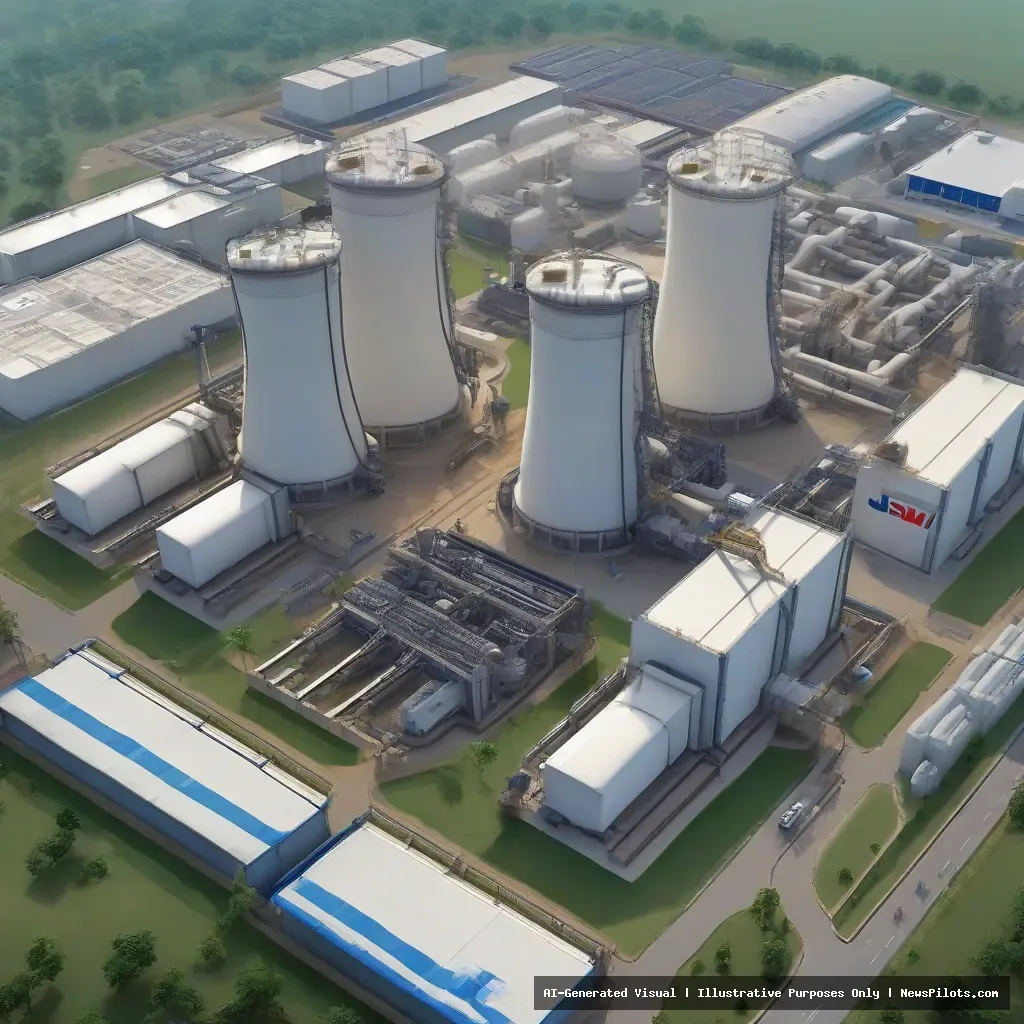
JSW Group, a prominent player in India’s steel and energy sectors, has announced that it will temporarily suspend the construction of its planned battery manufacturing facility in Odisha. The decision follows challenges related to the adoption of lithium‑iron‑phosphate (LFP) technology, a key component in the production of electric vehicle (EV) batteries. JSW battery plant is an important part of the developments covered in this report.
JSW battery plant: What It Means and Why It Matters
Background of the Project
The battery plant, originally slated to support the growing demand for EVs across India, was part of JSW’s strategy to diversify into clean energy solutions. The facility was expected to produce high‑capacity batteries for a range of applications, from passenger cars to stationary energy storage systems. However, the company has cited technical constraints with the LFP chemistry that underpin the plant’s design.
LFP Technology Constraints
LFP batteries are prized for their safety, longevity, and lower cost compared to other lithium‑ion chemistries. Yet, they also present challenges in terms of energy density and material sourcing. For a large‑scale production line, consistent supply of high‑purity iron and phosphate, as well as the ability to integrate advanced cell‑assembly processes, are critical. JSW’s current supply chain and technology partners have not yet met the stringent requirements for uninterrupted LFP production at the desired scale.
Implications for the Local Economy
Odisha’s government had highlighted the battery project as a catalyst for regional development, promising job creation and ancillary industrial growth. The pause means a temporary slowdown in the projected economic benefits, though the company has stated that it remains committed to the region and intends to resume construction once the technical hurdles are addressed.
Industry Context
The delay is not isolated. Several Indian battery makers have reported similar issues with LFP technology, reflecting a broader challenge in scaling up domestic production of advanced battery chemistries. Global supply chain disruptions, coupled with the need for specialized manufacturing equipment, have amplified the difficulty of meeting domestic demand for EV batteries.
JSW’s Next Steps
JSW Group has indicated that it is exploring alternative technology pathways and engaging with new suppliers to resolve the LFP constraints. The company also plans to invest in research and development to enhance its in‑house capabilities for battery chemistries. While the exact timeline for resumption remains uncertain, executives have expressed confidence that the plant will eventually become operational once the technology gaps are bridged.
Impact on the EV Ecosystem
India’s push towards electric mobility has accelerated the need for reliable, locally produced batteries. Projects like JSW’s Odisha plant are vital for reducing dependence on imports and fostering a robust supply chain. The current hold highlights the importance of aligning technology readiness with production ambitions, a lesson that could inform future battery ventures across the country.
Conclusion
JSW Group’s decision to pause its Odisha battery plant underscores the technical and logistical complexities of establishing a large‑scale LFP battery manufacturing facility. While the move temporarily stalls progress in the region, the company’s focus on overcoming these constraints signals a long‑term commitment to contributing to India’s clean energy future.
Related Articles
- Fortune India 40 Under 40 2026: Next‑Gen Leaders Focus on Scale, Technology and Institution‑Building
- Tata Communications and Tata Motors Partner to Deliver Built‑In 5G for India’s Sierra.ev, Accelerating Software‑Defined Vehicle Deployment
Original Source: The Hindu
What Happens Next?
The next phase of this development will be closely watched by industry participants, consumers and policymakers. JSW battery plant could influence future technology, business decisions and broader market trends. The practical impact will depend on implementation, cost, reliability, regulatory developments and how quickly the underlying technology evolves.