
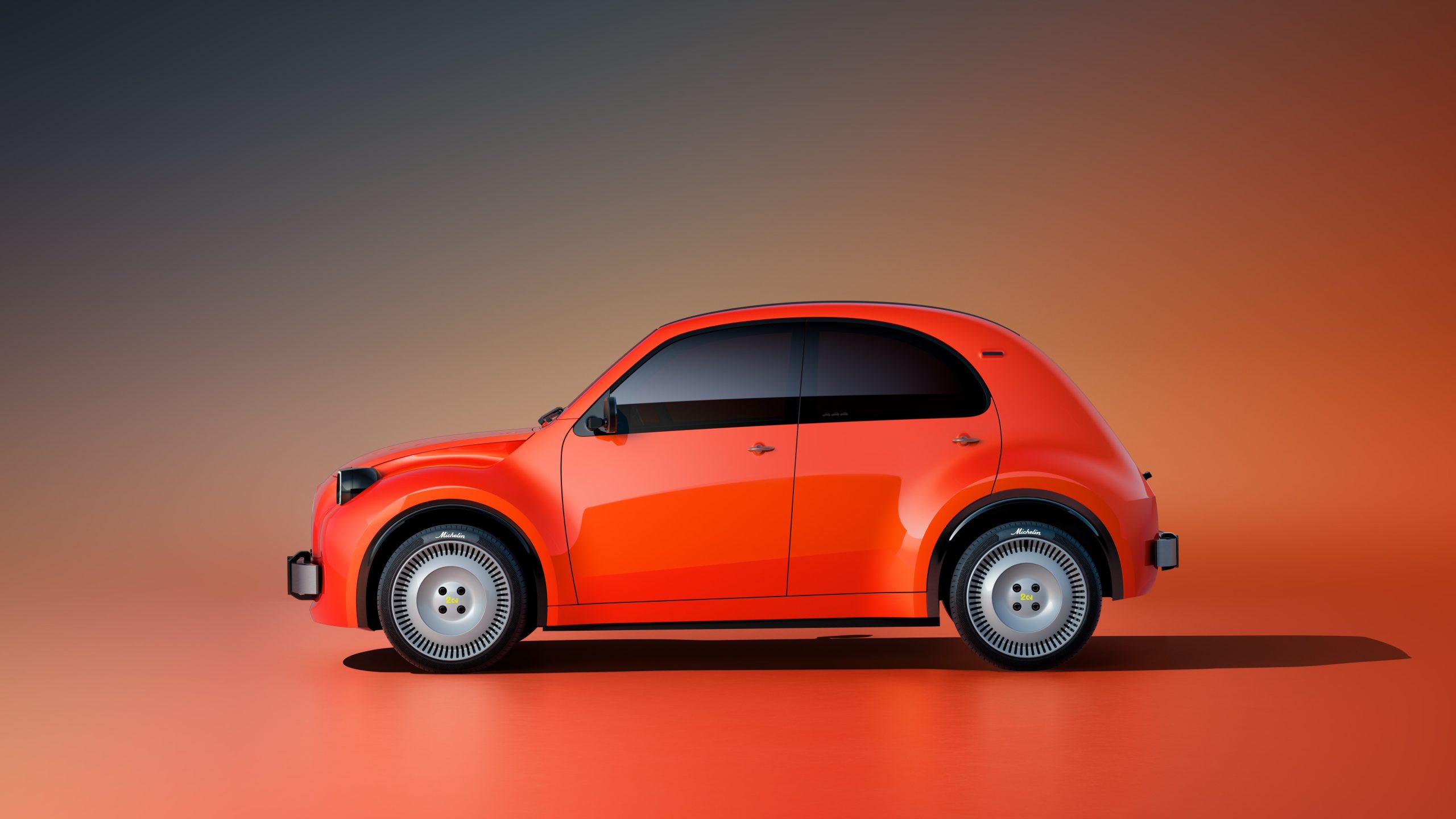
Citroën has officially unveiled an electric concept version of its classic vehicle, signaling that The legendary Citroen 2CV is back as a €15k electric concept for 2028. Shown in advance of the Paris Motor Show, the automaker intends to have the new electric vehicle for sale and on the road by 2028 with a targeted starting price of around €15,000, which is just under $17,000 USD.
This announcement introduces a modern reimagining of a historic automobile that defined European roadways for decades. While exact production specifications remain unknown, the concept blends nostalgic design cues with contemporary electric vehicle engineering, aiming to carve out an accessible space in the modern EV market.
What Changed
Citroën introduced a modern electric concept vehicle that mimics the iconic silhouette of the historic 2CV. The original model was produced during the second half of the 20th century, concluding its historic 42-year run in 1990. During its original production era, the car featured modest engine power ranging from 9 to 29 horsepower.
In comparison, the newly unveiled concept car introduces modern proportions while nodding to its heritage. The new 2CV concept is four inches shorter than the original vehicle. Meanwhile, Citroën is aiming to keep the total weight of the concept around 1,000kg, equivalent to approximately 2,205 pounds.
The exterior and interior design incorporates several unique elements. The vehicle features a giant fabric roof that rolls all the way open, a pop-up vent, and 19-inch wheels. Inside, the dashboard hosts a small tablet-like screen on the steering column alongside a wide driver display across the dash. Additional practical touches include a removable radio and speaker module located on the passenger side, as well as door pocket cutouts specifically designed to hold a half-dozen eggs.
Context
The original Citroën 2CV holds a legendary status in automotive history, having first entered production in 1948 before wrapping up in 1990. Over its 42-year manufacturing lifecycle, the vehicle became a cultural touchstone known for its utility, simplicity, and affordability.
Within Citroën’s current modern lineup, the upcoming EV model is expected to sit strategically between the ultra-compact 8hp Ami and the 113hp C3 in terms of vehicle sizes. This positioning places the vehicle firmly in the light urban mobility and accessible compact vehicle segments, catering to drivers looking for efficient city transportation.
Key Benefits
The primary appeal of the new concept centers on affordability and distinctive styling. By targeting a price point of around €15,000, Citroën aims to lower the financial barrier to electric vehicle ownership.
Furthermore, the vehicle’s lightweight objective of approximately 1,000kg supports efficient energy consumption. Practical interior features, such as the removable radio/speaker module, the expansive rolling fabric roof, and egg-friendly door pockets, retain the playful and utilitarian spirit of the original vehicle while integrating modern digital displays.
Risks or Limitations
Despite the excitement surrounding the concept, several uncertainties remain regarding the final production vehicle. Exact vehicle specifications are currently unknown.
Battery size and range remain open questions, though industry analysts note that similar small urban electric vehicles tend to feature roughly 30kWh batteries and an estimated driving range of approximately 250 kilometers, or about 150 miles. Furthermore, it remains uncertain whether certain vibrant concept features—such as vibrant concept colors, hanging lights, a central basket, and the large 19-inch wheels—will successfully transition to the commercial production version.
Additional ambiguity surrounds the vehicle’s functional capabilities. Citroën has not yet clarified whether the production model will feature off-roading capabilities akin to some historical variants or maintain a strictly city-focused design architecture.
Business Implications
From a business perspective, introducing a €15,000 electric vehicle addresses a critical gap in the European automotive market: truly affordable mass-market electrification. As legacy automakers struggle to build profitable EVs under the €20,000 threshold, Citroën’s targeting of a €15,000 price point positions the brand competitively among budget-conscious consumers.
By leveraging heritage branding, Citroën can also drive consumer interest and emotional connection, differentiating the vehicle from generic urban transport pods.
Who May Be Affected
Budget-conscious European drivers, urban commuters, and automotive enthusiasts nostalgic for mid-century European car design are the primary demographic impacted by this announcement. Additionally, competing manufacturers focusing on affordable city cars will need to monitor Citroën’s pricing strategy as the 2028 production window approaches.
What to Watch Next
Stakeholders and consumers should monitor subsequent announcements from Citroën regarding confirmed technical specifications, battery capacity, official range ratings, and whether design elements from the Paris Motor Show concept make the cut for the final 2028 production assembly lines.
FAQ
When will the new electric 2CV be available for purchase?
Citroën intends to have the new electric 2CV for sale and on the road in 2028.
What is the expected price of the new electric 2CV concept?
Citroën is targeting a starting price of around €15,000, which is just under $17,000 USD.
How does the size of the new concept compare to the original 2CV?
The new 2CV concept is four inches shorter than the original model, with a target weight of around 1,000kg (2,205 lbs).
Where does this model fit in Citroën's current lineup?
The new EV model is expected to sit in size between the 8hp Ami and the 113hp C3.