
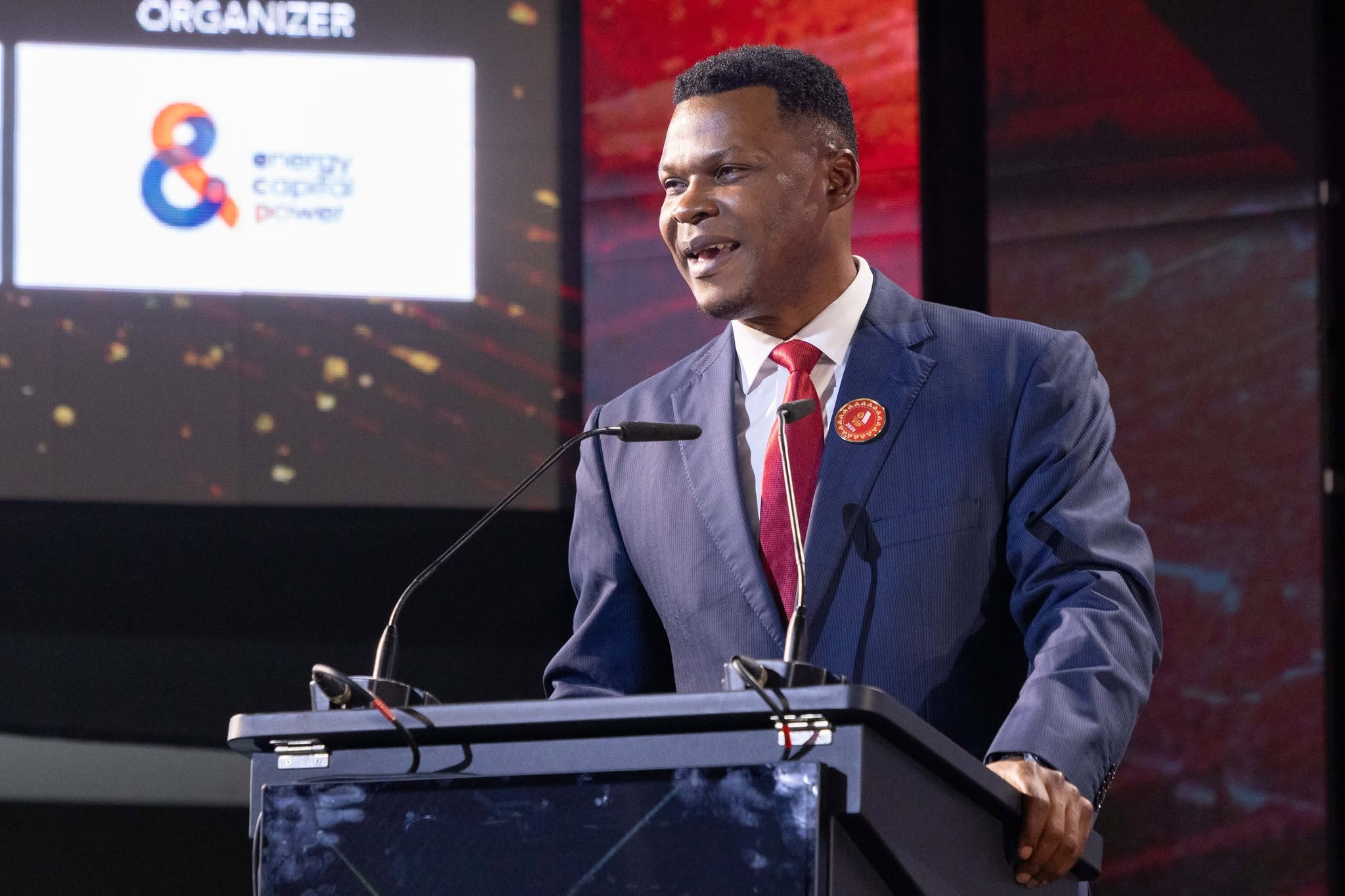
As African Energy Week enters its sixth edition in Cape Town from October 12–16, 2026, industry leaders are gathering to assess the trajectory of the continent’s resource development. NJ Ayuk, Executive Chairman of the African Energy Chamber, has highlighted the milestone as a defining moment for continental energy independence. Describing the atmosphere at the event, Ayuk noted that the mood is confident, determined, and impatient, characterizing the gathering as a business house rather than a speech festival. The event continues to serve as a vital platform bringing together governments, national oil companies, international operators, financiers, technology providers, and investors to drive actionable energy strategies.
What Changed in Africa's Energy Landscape
Over its six-year journey, African Energy Week has evolved into a central commercial and diplomatic hub for the continent’s petroleum and renewable sectors. The platform has systematically connected resource-holding African nations with global service providers, independent financiers, and technology innovators.
At the same time, African Energy Chamber leadership has expanded its global footprint through targeted engagements across multiple continents, including France, the United Kingdom, Romania, Brazil, Argentina, Venezuela, and various African nations. This expanding international outreach aims to secure capital, technical partnerships, and equipment necessary to sustain complex upstream and midstream operations.
Context: Reserves, Infrastructure, and Operators
Africa commands significant hydrocarbon resources, with BP-style reserve reporting commonly placing the continent at roughly 7% to 10% of global proven oil reserves and a similar order of magnitude for gas, though these figures vary by year and classification.
Major oil and gas projects span across multiple regional hubs. In Mozambique, LNG development activity involves TotalEnergies and related operators. Nigeria features an established gas and infrastructure ecosystem linked to Shell, NLNG, and various upstream and midstream operators. Angola continues its deepwater and offshore activity involving major international operators and contractors. Egypt maintains mature gas production associated with major fields such as Eni’s Zohr, while Ghana’s offshore production involves Tullow, Eni, and joint venture partners.
Global service and technology providers play an indispensable role in maintaining and expanding these operations. Key industry participants include Schlumberger, Halliburton, Baker Hughes, TechnipFMC, Subsea7, SBM Offshore, and Saipem. Their specialized technologies and offshore engineering capabilities underpin complex deepwater and shallow-water extraction programs.
Why It Matters: Balancing Near-Term Realities and Long-Term Goals
A central theme of Ayuk’s leadership has been the pragmatic defense of African resource development against external pressures. Ayuk states that Africa’s near-term energy problem is solvable with oil and gas while renewables scale responsibly.
According to chamber leadership, Western nations and outside actors have repeatedly used moral framing to insist Africa should leave resources in the ground. In response, African Energy Week champions a balanced narrative: utilizing domestic fossil fuel wealth to eliminate energy poverty, electrify industrial corridors, and build robust economic infrastructure, while simultaneously integrating solar, wind, and green energy solutions as technologies mature and financing permits.
Business Implications and Sector Impact
The ongoing dialogue at African Energy Week directly impacts capital allocation, risk assessment, and operational timelines across the energy value chain. National oil companies and state agencies are leveraging the platform to finalize joint ventures, service contracts, and fiscal terms with international investors.
Notably, the event also recognizes leadership and excellence within the sector. Raoul Ominga of SNPC serves as a prominent recipient of the Lifetime Achievement Award, highlighting the critical contributions of national oil company leaders in navigating complex operational environments and fostering regional stability.
Limitations and Uncertainties
Despite the optimistic commercial momentum, stakeholders face persistent challenges. Reserve reporting percentages vary by year and classification, creating analytical discrepancies regarding exact resource volumes. Global macroeconomic volatility, access to international debt markets, and regulatory shifts across different African jurisdictions continue to influence project execution timelines. Furthermore, coordinating multi-billion-dollar infrastructure projects among diverse international operators, state entities, and service contractors requires navigating intricate legal and logistical frameworks.
What to Watch Next
As African Energy Week proceeds through its sessions in Cape Town, observers will monitor finalized investment agreements, technology transfer partnerships, and updates on flagship LNG and deepwater projects. The ongoing expansion of the African Energy Chamber’s international network will also signal how effectively African producers can secure independent financing and diversify technical partnerships in a competitive global energy market.