
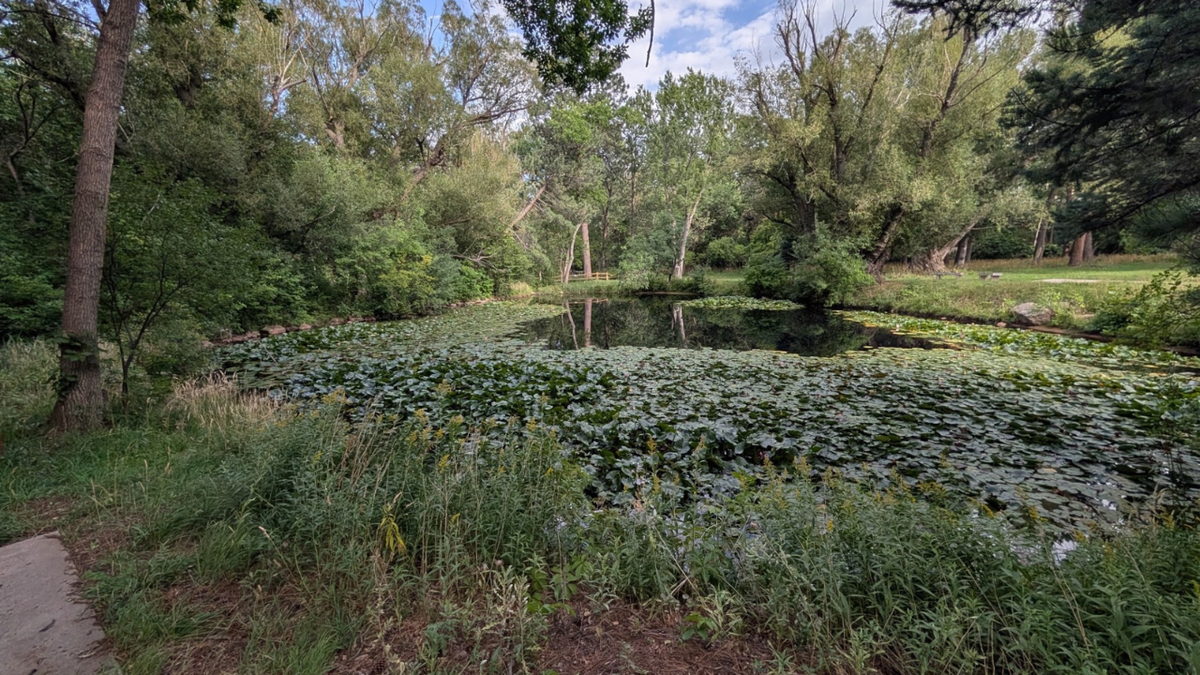
The City of Colorado Springs has officially finalized its Master and Management Plan for Old Stratton Park, setting the stage for public improvements and a targeted opening in 2027. Located on over eight acres along West Cheyenne Road, the property will undergo targeted renovations designed to balance community access with the preservation of its sensitive natural environment. The official planning process for the site began in 2024, leading to a draft plan submitted in August. Following public feedback, the finalized blueprint was approved earlier in September by the city’s Parks, Recreation and Cultural Services (PRCS) Advisory Board.
With the Old Stratton Park master plan finalized, municipal leaders and community stakeholders are looking ahead to the physical transformation of the property. The site represents a unique blend of urban conservation and historical preservation, offering local residents a newly structured public asset designed around passive recreation rather than heavy physical infrastructure.
What Changed
The finalized Master and Management Plan transitions Old Stratton Park from an inaccessible parcel into a structured, nature-focused public space. Unlike standard active recreation parks equipped for sports fields or heavy traffic, the new plan centers squarely on walking, nature observation, and education regarding the property’s historical roots. The physical layout of the site is undergoing specific modifications to support this vision. Planned renovations include a soft-surface walking trail, designated creek overlook points, and clear boundary markers to distinguish public park space from adjacent private property.
The inclusion of boundary markers is particularly vital for this West Cheyenne Road location, ensuring that visitors remain within public bounds while respecting neighboring private ownership. Meanwhile, the soft-surface trail and creek overlook points are designed to give visitors intimate access to the natural water features without degrading the surrounding landscape.
Historical Context
The site carries a long history tied to the early development of the region. The original space, known as Cheyenne Park, was first completed in 1902 to provide visitors with a dedicated area to enjoy the local creek and pond. Following the death of the original developer, portions of the land were sold off over time. The remaining acreage was eventually acquired by the City of Colorado Springs, paving the way for its modern designation as Old Stratton Park.
Understanding this timeline helps contextualize why local residents and municipal planners place such high value on the property. What began at the turn of the 20th century as a recreational destination for early visitors is now being carefully revived for contemporary audiences, maintaining a direct line to the region’s recreational heritage.
Key Benefits and Community Access
The planning initiative aims to restore public utility to a historic parcel while respecting its ecological footprint. According to the city, the finalized plan provides a practical way to begin welcoming people back to the land. City representatives expressed gratitude for community engagement during the formulation stage.
“We’re grateful to the neighbors, residents and community members who shared their time and feedback throughout this process,” city officials noted, adding that public input directly shaped how the final layout balances accessibility with environmental conservation. The city states the plan gives a practical way to begin welcoming people back while balancing public access with protecting the natural character of the park.
Risks or Limitations
To protect the integrity of the ecosystem, the Master and Management Plan enforces strict limitations on park usage. Dogs will not be allowed inside the property due to the small and sensitive nature area. Additionally, bikes and e-bikes will be prohibited from the grounds. These restrictions are designed to maintain the quiet, pedestrian-only character of the park and prevent habitat disruption along the creek and pond zones.
While these rules may limit certain recreational habits common in modern municipal parks, planners emphasize that they are mandatory for preserving the delicate balance of the over-eight-acre property. The restrictions underscore the city’s commitment to protecting the environment over accommodating high-impact traffic.
Business Implications and Sector Impact
From a municipal management perspective, the project reflects a careful approach by local governments to curate urban and suburban green spaces. By prioritizing low-impact recreational models over high-maintenance infrastructure, cities can manage maintenance costs while expanding public assets. The phased implementation leading toward the 2027 opening allows municipal resources to be allocated efficiently toward trail construction, boundary demarcation, and historical interpretive elements.
Furthermore, the collaborative planning model utilized by Colorado Springs—spanning from the 2024 launch to the August draft and September board approval—serves as a framework for public-private and municipal-community engagement. Efficient resource management paired with transparent community feedback ensures that public funds are directed toward sustainable, long-lasting park features.
Who May Be Affected
Local residents living near West Cheyenne Road, history enthusiasts, and nature walkers will experience the most direct impact from the park’s reopening. Neighbors who participated in the feedback sessions will see their input reflected in the boundary markers and trail layouts. Conversely, dog owners, cyclists, and e-bike riders will be affected by the strict prohibitions on pets and wheeled vehicles within the park boundaries.
What to Watch Next
As the city transitions from the planning phase to physical implementation, observers will track the progress of the soft-surface trail construction and creek overlook installations. Additional updates from the Parks, Recreation and Cultural Services (PRCS) Advisory Board will outline the exact construction timeline ahead of the 2027 public launch.