
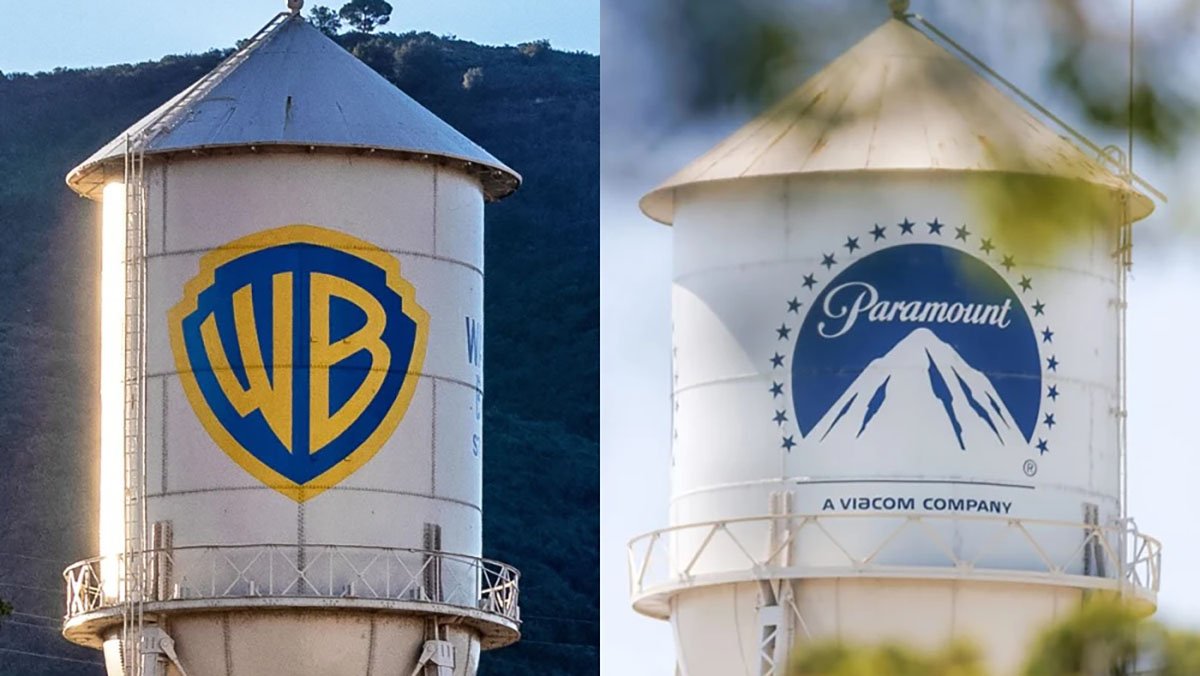
Skydance-owned Paramount has officially announced that Paramount completes $110 billion Warner Bros. merger to form Skydance, marking a historic and massive consolidation within the global entertainment and media landscape. The transaction officially closed on Tuesday, October 6, 2026, bringing together two of Hollywood’s most storied historical entities under a single corporate umbrella.
The newly combined media conglomerate operates under the shorter “Skydance” nametag. Leadership of the freshly formed corporate titan is spearheaded by billionaire David Ellison serving as head, alongside Ynon Kreiz acting as co-CEO. This milestone follows Skydance’s own acquisition of Paramount for $8 billion during the prior year.
What Changed
The closing of the transaction follows a complex and fast-moving corporate battle that reshaped Hollywood dealmaking. Initially, Netflix struck a studio and streaming deal with Warner in December. However, the landscape shifted dramatically when Paramount launched a hostile counterbid valued at $31 per share. Facing this aggressive financial maneuver, Netflix ultimately chose to pull out of the bidding war entirely.
Following Netflix’s withdrawal, Warner and Paramount inked a mutual merger agreement by late February. To finance the monumental deal, Paramount secured financial backing from sovereign investors in Saudi Arabia, Qatar, and the United Arab Emirates. Consequently, the Federal Communications Commission approved indirect ownership requests for these foreign investors, clearing a major regulatory hurdle for the transaction to proceed.
Sector Impact and Legal Challenges
The sheer scale of the transaction immediately triggered intense scrutiny and formal legal pushback from industry watchdogs and public officials. In July, democratic attorneys general from 12 states—led by California’s Rob Bonta—alongside the Writers Guild of America, filed lawsuits aiming to block the merger entirely.
Opponents of the deal raised concerns regarding market dominance and labor impacts. Notably, thousands of entertainment professionals signed an open letter warning that the consolidation would lead to fewer jobs and less creative choice for audiences. Critics also argued that foreign funding from Gulf countries opens the door to potential behind-the-scenes influence over American media.
To resolve the antitrust challenges, legal teams negotiated an antitrust lawsuit settlement that was agreed upon in September by state attorneys general and subsequently approved by a federal judge. The terms of this settlement include specific worker protections, an increase in U.S. film production over a five-year period, dedicated funds for displaced workers, and the establishment of a News Editorial Independence Board overseeing CNN and CBS.
Business Implications and Leadership
The corporate restructuring positions David Ellison and co-CEO Ynon Kreiz at the helm of a massive portfolio spanning traditional studio production, television broadcasting, and streaming services. Mark Thompson has been retained as CNN’s editor-in-chief, maintaining a degree of operational continuity within the news division.
Despite the inclusion of the newly established News Editorial Independence Board, skepticism persists across the industry. Critics remain doubtful that the board will alter structural outcomes because Ellison is set to have oversight over board appointments. Industry commentators have noted varying perspectives on the transition, with some public figures expressing optimism about the change in ownership.
Limitations and What to Watch Next
While the transaction has cleared federal and judicial approvals via the September settlement, the long-term operational and cultural success of the combined company remains subject to ongoing verification. Questions linger over how management will integrate sprawling corporate hierarchies, manage international sovereign backing, and satisfy union demands regarding domestic production quotas and worker support funds.
Observers will monitor how the newly formed Skydance navigates the competitive streaming and theatrical distribution markets, especially regarding whether the promised worker protections and U.S. film production increases are fully realized over the mandated five-year timeline.