
Why Propulsion Is the Backbone of Modern Satellite Missions
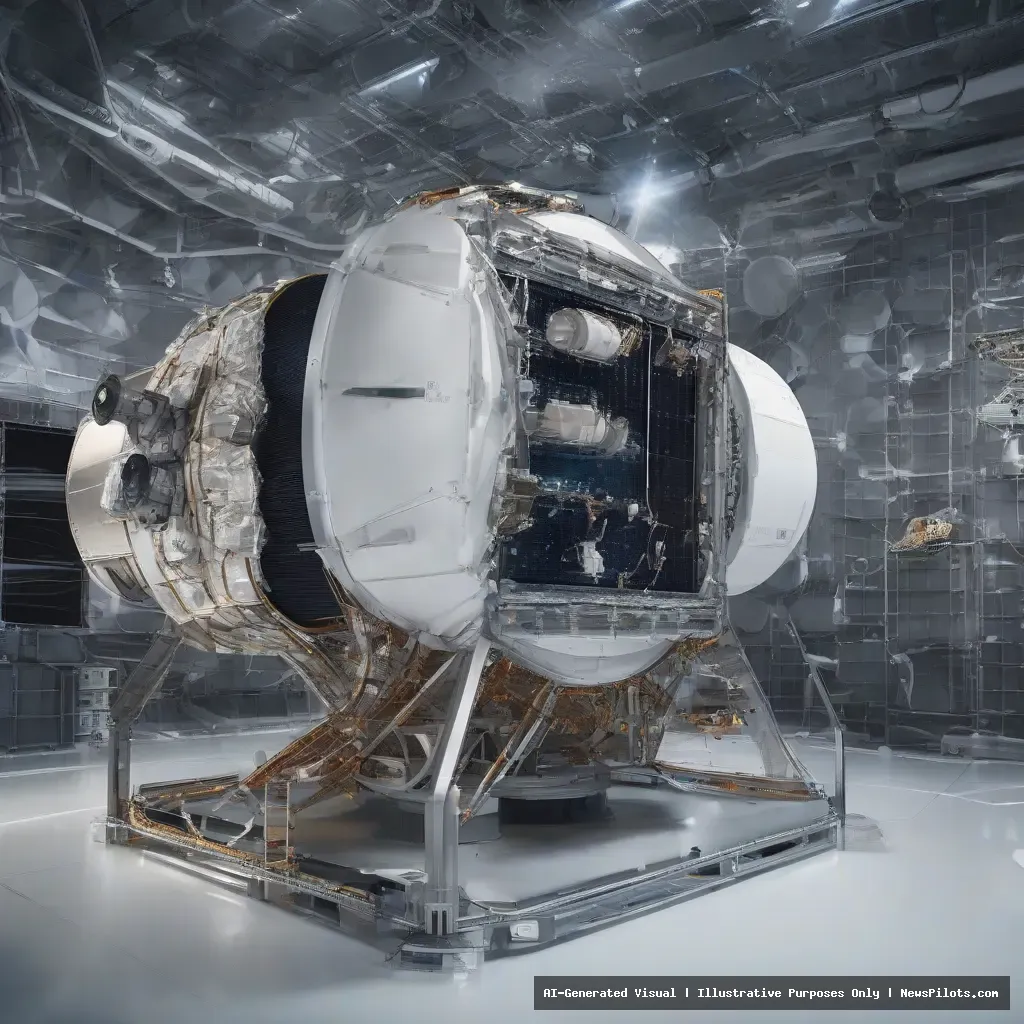
Satellite propulsion systems are no longer a peripheral component of space hardware; they are becoming the central technology that determines the viability, longevity, and safety of space assets. Modern satellite constellations, from Earth‑observation arrays to broadband networks, require precise orbit insertion, station‑keeping, collision avoidance, and controlled deorbiting. Without reliable propulsion, satellites would be unable to maintain their intended trajectories or adapt to changing mission parameters.
satellite propulsion: What It Means and Why It Matters
Green Propulsion Drives Sustainability in Space
The shift toward environmentally friendly propulsion technologies is a major trend highlighted by recent market forecasts. Green propulsion systems, which use non‑toxic propellants such as electric or ion drives, reduce the generation of hazardous waste in launch and on‑orbit operations. By minimizing debris and toxic residues, these systems support long‑term sustainability goals for the space sector, a concern that has gained increasing regulatory and public attention.
Market Growth Fueled by Environmental Demand
Analysts predict a steady expansion of the space propulsion market, with green technologies accounting for a growing share. The forecast emphasizes that the demand for cleaner propulsion is not only driven by environmental considerations but also by operational efficiencies. Electric propulsion, for instance, offers higher specific impulse than traditional chemical rockets, allowing satellites to achieve more maneuvering capability with less propellant mass. This translates to lighter payloads and lower launch costs, a critical factor for the burgeoning private space economy.
Private Sector Momentum and Infrastructure Development
Private companies are accelerating the deployment of advanced propulsion systems. Firms that specialize in satellite manufacturing and launch services are integrating green propulsion modules into their product lines to meet the evolving expectations of customers and regulators. In parallel, national space agencies and private entities are collaborating to build infrastructure that supports these new propulsion technologies, from ground‑based testing facilities to in‑orbit service stations.
Satellite Servicing and On‑Orbit Refueling
As satellite constellations grow in number, the need for in‑orbit servicing becomes more pronounced. Propulsion systems enable not only the movement of satellites but also the transfer of propellant between spacecraft. On‑orbit refueling extends mission lifespans and reduces the frequency of launches, further lowering the environmental footprint. Companies that offer propulsion‑enhanced servicing platforms are poised to become critical players in the next phase of space operations.
Collision Avoidance and Debris Mitigation
The increasing density of objects in Earth orbit raises the risk of collisions that can generate hazardous debris. Propulsion systems provide the agility required for collision avoidance maneuvers, allowing satellites to adjust their orbits in response to near‑miss alerts. Moreover, the ability to deorbit satellites at the end of their operational life ensures compliance with international guidelines and helps preserve the orbital environment for future missions.
Technological Breakthroughs Shaping 2026 and Beyond
Experts anticipate several breakthroughs that will further cement propulsion’s role in space. Advances in high‑temperature materials will expand the operating envelope of electric thrusters, while improved power generation systems will support larger thrust outputs. These developments, coupled with the growing emphasis on sustainability, are expected to drive the adoption of propulsion solutions across a broad range of space activities.
Conclusion: Propulsion as a Strategic Asset
In the evolving landscape of space exploration and exploitation, satellite propulsion stands out as a strategic asset that underpins mission success, environmental stewardship, and economic viability. The convergence of green technology, market demand, and regulatory pressure is accelerating the transition to more efficient propulsion systems. As the industry continues to innovate, propulsion will remain at the heart of the next generation of space endeavors, enabling more ambitious missions and fostering a sustainable presence beyond Earth.
Related Articles
- Hyderabad Startup Unveils India’s First On‑Board Data‑Processing Satellite
- SpaceX Expands Stargaze Free Space Safety Service for Commercial Satellite Operators
Original Source: Innovation News Network