
Factual Lead
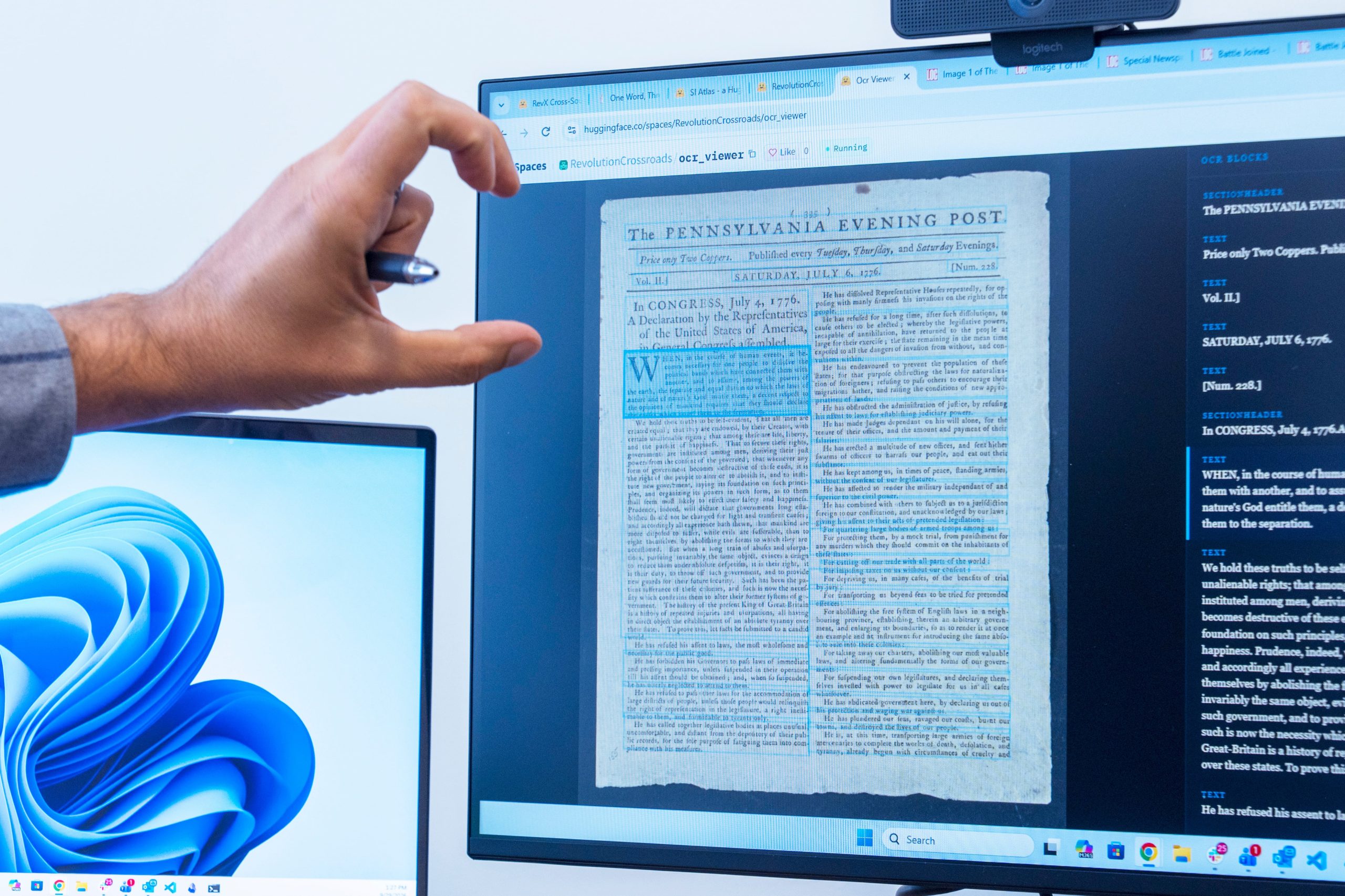
Recent reporting from WSB-TV Channel 2 – Atlanta focused on how the Smithsonian is using AI to connect artifacts from the American Revolution. However, detailed technical insights and factual extraction regarding this digital initiative remain restricted due to access limitations encountered by potential readers outside the United States.
What Changed
The fundamental shift involves the intersection of cultural heritage preservation and artificial intelligence, as highlighted by WSB-TV Channel 2 – Atlanta. Cultural institutions increasingly look toward digital methodologies to catalog, link, and analyze historical collections. In this specific instance, the reporting centers on the Smithsonian institution and its application of technology to American Revolution artifacts.
As museums and archives manage millions of physical objects, manuscripts, and digital scans, traditional manual cataloging methods often struggle to maintain pace with modern research demands. The integration of computational tools marks a transition from siloed physical archives to interconnected digital ecosystems. By leveraging machine learning frameworks, institutions aim to bridge gaps between disparate historical records, enabling a more comprehensive view of historical events such as the American Revolution.
Context
The Smithsonian houses extensive collections spanning United States history, science, and culture. Applying modern computational tools, machine learning, or artificial intelligence to historical archives represents a broader industry trend among museums seeking to make vast quantities of cataloged items more accessible to researchers and the public. By establishing digital connections between disparate objects, documents, and records, institutions aim to surface new historical context.
Historically, linking artifacts required exhaustive manual provenance research, physical cross-referencing, and specialized domain expertise. Modern digital archiving initiatives attempt to automate or accelerate portions of this workflow. While specific architectural details of the Smithsonian’s deployment remain unverified due to access constraints, the overarching objective in the museum sector typically involves natural language processing, image recognition, and metadata harmonization to tie related historical items together.
Limitations and Access Barriers
A significant barrier currently impacts the verification and dissemination of specific technical facts regarding this initiative. Access to the primary source material published by WSB-TV Channel 2 – Atlanta returns an HTTP 451 error, indicating that the content is unavailable due to geographic location outside the United States. Consequently, exact details, methodologies, software implementations, and official institutional statements cannot be independently reviewed or quoted from the cited source.
This geographic restriction highlights ongoing challenges in global information access and digital content distribution. When regional compliance protocols or licensing agreements restrict media access via standard HTTP status codes like Error 451, international researchers, journalists, and technologists face structural hurdles in verifying breaking news or specialized technology deployments. Therefore, any analysis of the Smithsonian’s technological capabilities must remain strictly bounded by the limited metadata and unverified reporting constraints currently present.
Technical and Business Implications
When cultural institutions deploy artificial intelligence to connect historical artifacts, several operational and technical factors come into play:
- Data Ingestion: Museums must digitize legacy records, handwritten manuscripts, and physical object metadata to make them machine-readable before any automated linking can occur.
- Relationship Mapping: AI algorithms can theoretically identify thematic, chronological, or provenance links between items that human researchers might take years to uncover through manual archival searches.
- Geographic Restrictions: As demonstrated by the source error, digital content distribution strategies often involve regional compliance blocks, affecting international access to reporting and digital archives.
From a business perspective, digital transformation initiatives within large cultural entities require sustained funding, specialized engineering talent, and rigorous data governance frameworks. Managing legacy datasets alongside modern machine learning pipelines introduces integration challenges, particularly when data formats are inconsistent across different museum departments or historical collections.
Who May Be Affected
- Researchers and Historians: Scholars relying on digital cross-referencing tools stand to benefit from automated artifact connectivity, provided systems maintain high accuracy and transparent methodology.
- International Audiences: Global users and researchers located outside the United States may face access restrictions, such as Error 451 barriers, when attempting to view localized news coverage or digital museum portals.
- Cultural Institution IT Teams: Technologists managing museum archives must balance robust digital access with security, licensing, and geographic compliance protocols.
Educators and students studying the American Revolution may also experience shifts in how historical resources are presented, assuming these digital tools eventually translate into public-facing educational platforms or searchable museum databases.
What to Watch Next
Observers tracking digital transformation in museums should monitor whether the Smithsonian releases official documentation detailing its artificial intelligence frameworks, database structures, or partnership models. Furthermore, developments in international digital access policies will determine whether regional reporting barriers continue to affect global visibility into cultural tech initiatives.
As artificial intelligence tools continue to mature within academic and cultural sectors, future updates may provide clearer insight into the scale, efficacy, and practical outcomes of connecting historical artifacts through automated systems.