
The two faces of Britain’s political divide are becoming increasingly distinct as major political figures chart contrasting paths for the country’s economic and social future. As the nation approaches a crucial fiscal milestone, the strategies emerging from both the Labour and Conservative leadership highlight a deepening split in priorities, voter coalitions, and policy proposals.
With an upcoming Budget scheduled to take place in just over three weeks, political observers are closely monitoring how these distinct visions will translate into concrete governance. Backed by policy shifts and evolving voter polling, both major parties are attempting to consolidate their bases while aggressively targeting opposing demographics.
What Changed in the Political Landscape
The political dynamics in Westminster have shifted notably, driven by strategic repositioning from both Labour and the Conservative Party. Under the leadership of Andy Burnham—described in recent reports as Labour leader and Prime Minister—the governing party has laid out an ambitious blueprint for a reformed Britain. This strategy involves establishing a new National Care Service, introducing state ownership in water and electricity sectors, and fundamentally reversing the political and economic direction that has defined the last four decades.
Burnham’s comprehensive platform also incorporates structural adjustments, including plans to scrap the pension triple lock and addressing immigration signals put forward by Home Secretary Shabana Mahmood. These proposals are explicitly designed to appeal to Left-wing backers of the Liberal Democrats and the Greens, alongside potential overtures to some SNP voters, while intentionally creating strategic challenges on the right side of the aisle.
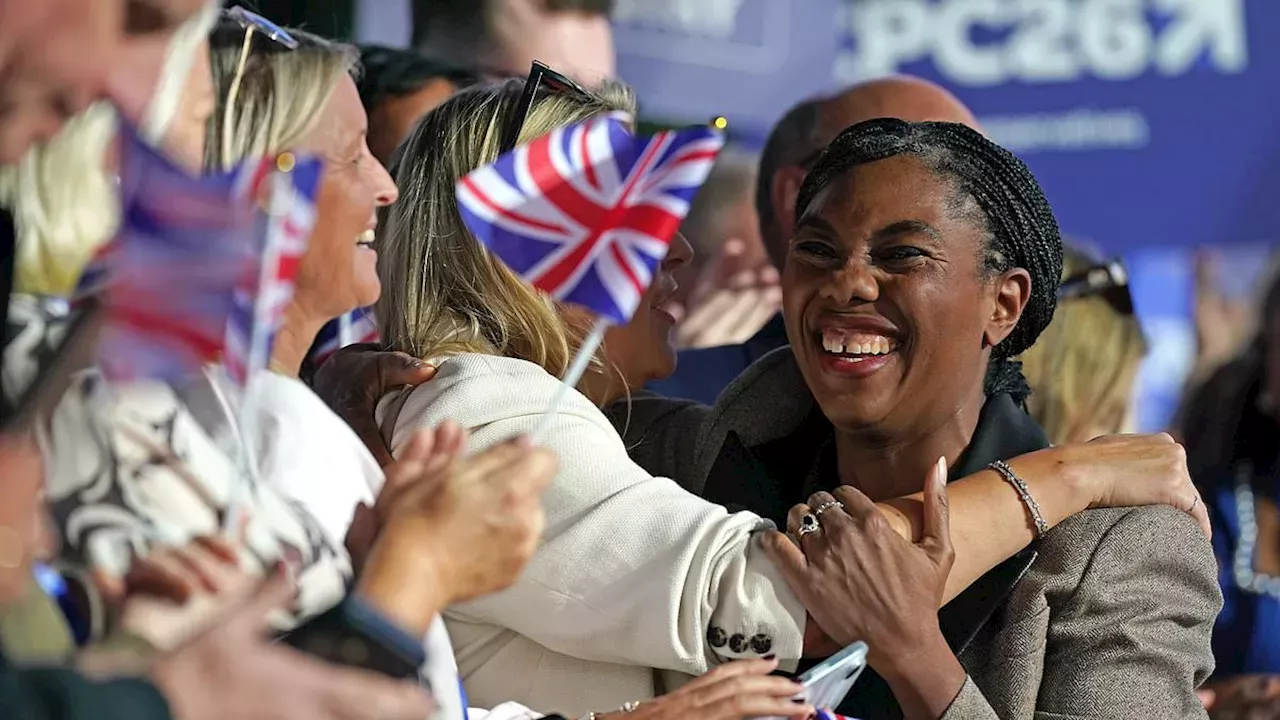
Concurrently, the Conservative Party is undergoing its own transformation. Kemi Badenoch is heading to her conference on Sunday as the undisputed leader of her party. Having successfully raised her profile, Badenoch has overtaken Nigel Farage as the Right bloc’s preferred choice for Prime Minister. Recent polls indicate that the Conservatives have drawn level with or pulled ahead of Reform in several surveys, marking a notable stabilization for the party following the volatility of the 2024 election cycle.
Sector Impact and Policy Contrasts
The policy divide between the two major parties extends deep into social welfare, fiscal management, and institutional control. While Burnham’s administration leans toward state intervention, nationalization, and expansive public care systems, Badenoch’s Conservative policy framework focuses firmly on welfare reform and fiscal discipline.
Badenoch’s proposed measures include cutting benefits for the long-term unemployed who are deemed able to work, as well as introducing preventative restrictions to stop state benefits from being spent on alcohol, tobacco, and gambling. These measures are tailored to resonate with traditional Conservative supporters and working-class voters who prioritize accountability and reform in public spending.
However, these divergent approaches must navigate a complex economic reality. With the upcoming Budget just weeks away, Chancellor John Healey faces unenviable fiscal choices. Questions remain over whether the Chancellor will demonstrate the fiscal steel required to grapple with these choices or if the economic path will lead toward increased borrowing and higher taxes.
Business Implications and Market Uncertainty
The prospect of sweeping state intervention in utilities—such as state ownership in water and electricity—carries profound implications for corporate sectors, investors, and regulatory frameworks. Utilities and infrastructure businesses must evaluate how a reformed National Care Service and nationalized utility assets will alter market competition, capital allocation, and operational compliance.
At the same time, the conservative counter-strategy emphasizes labor market participation through stringent benefit controls. Businesses relying on specific labor pools or operating within consumer goods sectors tied to discretionary spending must monitor how benefit restrictions on alcohol, tobacco, and gambling could alter consumer behavior and retail metrics.
Uncertainties persist regarding implementation details. For instance, it remains unclear whether Burnham has formulated plans for spending cuts in other areas not explicitly mentioned in his primary policy speeches. Similarly, the broader economic impact of Healey’s upcoming fiscal statement will dictate corporate confidence levels across multiple industries.
Voter Dynamics and Electoral Realities
The underlying electoral math reveals a fractured electorate where traditional party loyalties are continually tested. In the 2024 general election, Reform demonstrated significant vote-share mobilization, yet won 67 fewer seats than the Liberal Democrats despite securing nearly 600,000 more votes under the UK’s electoral system.
Current polling data underscores the fluid nature of voter allegiance. Survey findings indicate that Tory-leaning voters are three times as likely as Reform supporters to contemplate rejoining the European Union. Furthermore, just under four in ten voters surveyed in recent polling expressed confidence that the Conservatives could return to government either at the next election or the one after.
Despite these stabilizing metrics for the Conservatives, specific electoral hurdles remain. Analysts note that Badenoch has yet to make substantive headway among voters who switched their allegiance to Labour or the Liberal Democrats during the 2024 election. Meanwhile, debates persist over internal political distractions, with questions raised over whether discussions regarding rejoining the EU represent a viable policy direction or a frivolous diversion from core economic concerns.
What to Watch Next
As the political calendar advances, several key events will test the viability of these competing strategies. The immediate focal point is the upcoming Budget led by Chancellor John Healey, which will provide definitive insight into government spending trajectories, tax policy, and borrowing limits.
Additionally, the upcoming Conservative conference led by Kemi Badenoch on Sunday will offer further clarity on how the opposition plans to capitalize on its recent poll recovery and challenge Labour’s reform agenda. Stakeholders across business, public administration, and civil society will monitor whether Labour’s ambitious nationalization plans can be executed without destabilizing public finances, and whether the Conservative welfare reforms can successfully bridge the gap to voters who defected in 2024.