
Executive Summary and Factual Lead
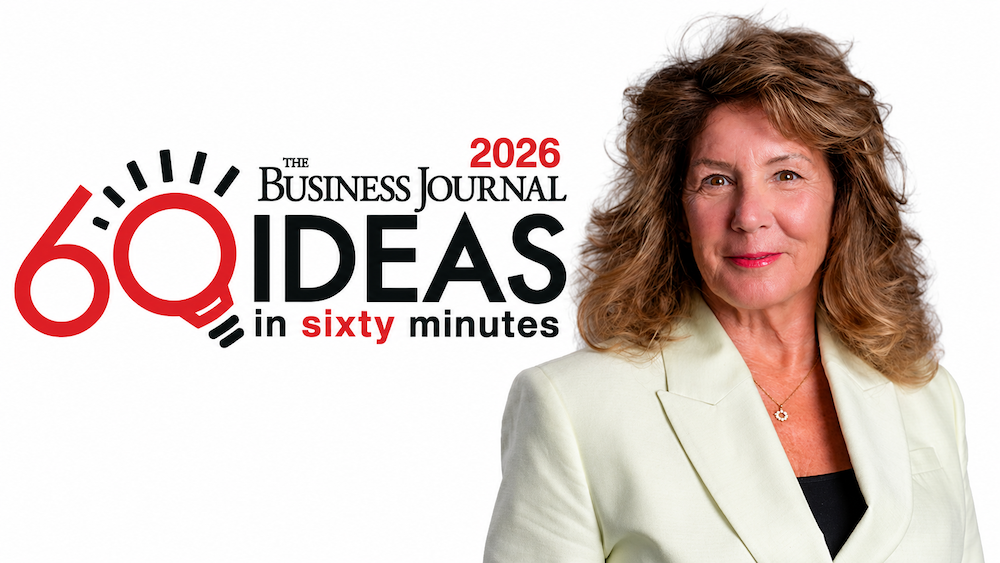
At The Business Journal’s 2026 60 Ideas in Sixty Minutes event held live on September 29, 2026, TheeAnna Stevens shared core operational insights derived from more than four decades of executive experience in the automotive sector. Stevens, who serves as vice president of Stevens Management Company, emphasized that sustainable organizational growth relies on prioritizing human capital and maintaining operational flexibility before market conditions force adjustments.
Stevens Management Company helps oversee four dealership locations, drawing on management practices that span sales, service, finance, and customer relations. During the presentation, Stevens articulated a business philosophy centered on workforce retention, character-driven recruitment, cumulative operational refinements, and proactive risk mitigation. This report examines the management methodologies, empirical context, strategic implications, and identified operational uncertainties surrounding the principles outlined by Stevens.
What Changed: Key Takeaways from the 2026 Event
The 60 Ideas in Sixty Minutes platform hosted by The Business Journal provided a structured forum for regional business leaders to present tested managerial principles. In her address on September 29, 2026, Stevens framed organizational adaptability not as a reactive crisis strategy, but as a continuous management discipline. Reflecting on operational reporting and industry discussions published across October 12, 2026, October 27, 2026, October 30, 2026, and November 4, 2026, executive leaders have increasingly re-examined talent management and operational friction within multi-location commercial environments.
A core element of Stevens’ presentation was the assertion that leadership success is defined by how effectively an organization manages its internal workforce and maintains long-term credibility. Rather than focusing exclusively on short-term sales cycles, the insights presented highlighted systemic alignment across sales, service, and finance departments to create consistent performance across all four dealership locations.
Core Philosophy: “Cars Are the Product, People Are the Business”
With over 40 years of hands-on experience in the automobile industry, Stevens offered a structural distinction between the goods sold and the organizational infrastructure required to operate successfully. Summarizing her central management thesis, Stevens stated: “Cars are the product, people are the business.”
This philosophy establishes that while vehicles represent the tangible merchandise of a dealership group, the operational value, customer satisfaction, and fiscal health of the enterprise depend entirely on the human elements driving day-to-day operations. In multi-department automotive organizations, individual operational silos—such as the showroom sales floor, service bays, finance departments, and customer support centers—must function as an integrated ecosystem.
Stevens reinforced this framework with a second guiding principle: “Take care of your people, and they will take care of your customers.” In executive practice, this directive connects internal employee culture directly to external customer experience, positing that customer satisfaction is an downstream metric of workforce engagement and structural support.
The Four Pillars of Automotive Operations
Stevens’ career spans four decades of detailed work across four foundational pillars of retail automotive management: sales, service, finance, and customer relations. Each pillar carries distinct operational requirements, yet all four are interconnected under the oversight of Stevens Management Company across its four dealership locations.
1. Sales Operations
Vehicle sales represent the primary consumer entry point for dealership groups. However, managing sales teams requires balancing monthly unit volume with institutional reputation. Stevens maintains that transactions must never compromise long-term customer relationships.
2. Service Department Operations
Service operations require technical expertise, ongoing labor coordination, and high levels of operational trust. Because service interactions frequently extend across the entire ownership lifecycle of a vehicle, service departments serve as critical retention drivers for the business.
3. Financial Management
The finance department bridges customer purchasing power with dealership revenue management. Executive oversight in finance demands strict compliance, clear communication, and structured accountability to maintain operational transparency and protect institutional credibility.
4. Customer Relations
Customer relations functions serve as the primary feedback loop for operational management. By actively monitoring customer interactions across sales and service touchpoints, leadership can identify recurring process bottlenecks and resolve operational breakdowns before they escalate.
Retention as a Measurable Outcome of Workplace Value
A central claim established by Stevens is that high employee retention serves as direct evidence of a workplace culture where personnel are genuinely valued. Rather than viewing retention as an isolated human resources metric, Stevens Management Company treats employee longevity as a core operational indicator.
Within the four dealership locations overseen by Stevens Management Company, multiple staff members have achieved tenures of 15 years, 20 years, and more than 25 years. In an industry historically characterized by elevated turnover rates—particularly within retail sales and service operations—these multi-decade tenures demonstrate the practical results of a workforce-first operational structure.
Operational Benefits of Long-Tenured Staff
- Preservation of Institutional Knowledge: Employees with 15 to 25+ years of tenure maintain historical context regarding customer histories, service workflows, and cross-departmental coordination.
- Reduced Recruitment and Onboarding Costs: Sustained retention minimizes the recurring administrative and financial friction associated with replacing specialized dealership personnel.
- Enhanced Customer Familiarity: Repeat customers interact with consistent personnel across sales, service, and finance departments over multiple years, reinforcing institutional trust.
- Mentorship Infrastructure: Veteran staff members provide natural oversight and informal training for incoming personnel, reinforcing company standards.
Continuous Improvement: The Cumulative Impact of Small Changes
Another operational pillar presented by Stevens is the concept of incremental optimization. According to Stevens, small operational improvements repeated consistently over time produce meaningful, compounding results for an organization.
In high-volume operational settings like automotive dealerships, attempt to implement sweeping, top-down operational overhauls can create unnecessary disruption across sales floors and service centers. Conversely, focusing on minor, continuous process enhancements—such as refining customer check-in procedures, streamlining finance document workflows, or improving internal communication between service advisors and technicians—generates long-term stability.
| Operational Focus Area | Incremental Process Enhancement | Compounding Long-Term Impact |
|---|---|---|
| Customer Service Check-In | Minor workflow streamlining | Reduced wait times and improved customer satisfaction scores |
| Inter-Departmental Communication | Standardized daily touchpoints between sales and service | Fewer operational delays and improved cross-department alignment |
| Financial Documentation | Routine auditing of processing steps | Faster turnaround times and decreased administrative errors |
| Staff Onboarding | Structured peer mentorship assignments | Faster time-to-productivity for new hires and improved long-term retention |
Proactive Leadership: Adapting Before Circumstances Force Change
In her presentation at the live 60 Ideas in Sixty Minutes event on September 29, 2026, Stevens argued that business leaders must proactively adapt to changing operational environments before external circumstances dictate those decisions. Waiting for external crises, market downturns, or shifting consumer behaviors to force operational changes places management in a reactive stance, escalating overall cost and risk.
Proactive adaptation requires leadership teams to continuously evaluate workflow efficiency, market trends, customer feedback, and labor dynamics. By initiating structural adjustments early, organizations maintain control over their implementation timelines, capital expenditure, and internal communication strategies.
Talent Acquisition: Hiring for Character and Developing Skills
Addressing talent acquisition and workforce development, Stevens outlined a specific hiring framework: businesses should prioritize underlying character during recruitment, while actively developing technical and operational skills through structured responsibility, organizational support, and clear accountability.
1. Character-First Recruitment
Technical specifications, sales techniques, and software processes can be taught through internal training programs. However, core personal attributes such as integrity, work ethic, empathy, and personal accountability are inherent. Hiring decisions focused primarily on character reduce cultural misalignment within dealership teams.
2. Responsibility and Empowerment
Once onboarded, employees must be entrusted with clear operational responsibilities. Providing staff members with defined autonomy over their daily work builds professional ownership and fosters long-term commitment to the business.
3. Organizational Support Systems
Delegating responsibility without adequate structural support leads to workplace burnout and operational error. Leadership must provide necessary tooling, cross-departmental assistance, and continuous training to enable employee success.
4. Consistent Accountability
Support must be paired with measurable performance standards. Transparent accountability measures ensure that operational standards are maintained across all four dealership locations while offering employees clear indicators of personal growth.
Reputation Management vs. Single-Deal Metrics
In retail sales environments, tension often exists between achieving immediate transactional targets and preserving long-term brand equity. Stevens asserted that an organization’s reputation far outweighs the financial returns of any single deal.
Optimizing for short-term profit at the expense of transparency or customer trust compromises repeat business and damages brand equity across the community. In automotive management, where individual customers may purchase multiple vehicles and require routine servicing over several decades, prioritizing institutional reputation over short-term transaction size generates higher lifetime customer value.
Addressing Friction: Resolving Operational Problems Early
A critical risk management insight highlighted by Stevens is that difficult conversations and operational problems tend to become significantly more expensive and complex when postponed. Whether addressing interpersonal staff friction, customer service disputes, or workflow inefficiencies in the finance department, delay inevitably exacerbates operational disruption.
Postponing hard decisions or uncomfortable discussions often leads to compounding organizational costs, including decreased team morale, lost customer trust, and higher financial expenditures to rectify neglected issues. Proactive leaders establish protocols that surface operational friction early, allowing managers to resolve challenges directly before they disrupt multi-location operations.
Business and Management Implications for Dealership Groups
The operational framework outlined by Stevens offers actionable insights for multi-location enterprises navigating evolving commercial landscapes. The combination of long-term employee retention, incremental process optimization, proactive adaptation, and character-centered hiring provides a comprehensive blueprint for organizational sustainability.
As contextually noted across reporting in publications such as The Business Journal (published by Pacific Publishing Group, Inc.) and executive discussions involving industry figures such as Dylan Gonzales, Ben Hensley, and organizations like Xobee Networks, regional enterprise leadership relies heavily on balancing technological adoption with fundamental human operations. The insights shared on September 29, 2026, and referenced in business reporting through October 12, 2026, October 27, 2026, October 30, 2026, and November 4, 2026, underscore the enduring necessity of practical, workforce-centric governance.
Operational Limitations and Areas of Uncertainty
While the leadership principles detailed by Stevens emphasize long-term cultural and operational health, certain empirical parameters remain unquantified based strictly on available research records:
- Financial Metrics: Specific financial figures, profit margins, or revenue growth metrics resulting directly from Stevens’ leadership practices or management models are not detailed in the available factual brief.
- Dealership Identities: The exact trade names, franchise brand affiliations, and geographic locations of the four dealership locations overseen by Stevens Management Company are omitted from the source record.
- Quantitative Retention Ratios: While employee tenures of 15, 20, and over 25 years are confirmed, the precise percentage of the total workforce maintaining these multi-decade tenures across all four locations is not specified.
What to Watch Next in Executive Management Practice
As multi-location retail organizations navigate shifting economic environments, executive leadership strategies will continue to undergo scrutiny. Observers of corporate governance, dealership operations, and organizational development should monitor several operational benchmarks moving forward:
- Adaptation Speed: How effectively regional dealership groups proactively adjust internal workflows ahead of macro-economic shifts.
- Tenure Metrics in Retail: The degree to which automotive groups can sustain multi-decade employee retention amid changing workforce demographics.
- Reputation Management Protocols: How effectively multi-location groups balance immediate transactional sales goals with long-term brand equity and customer retention strategies.