
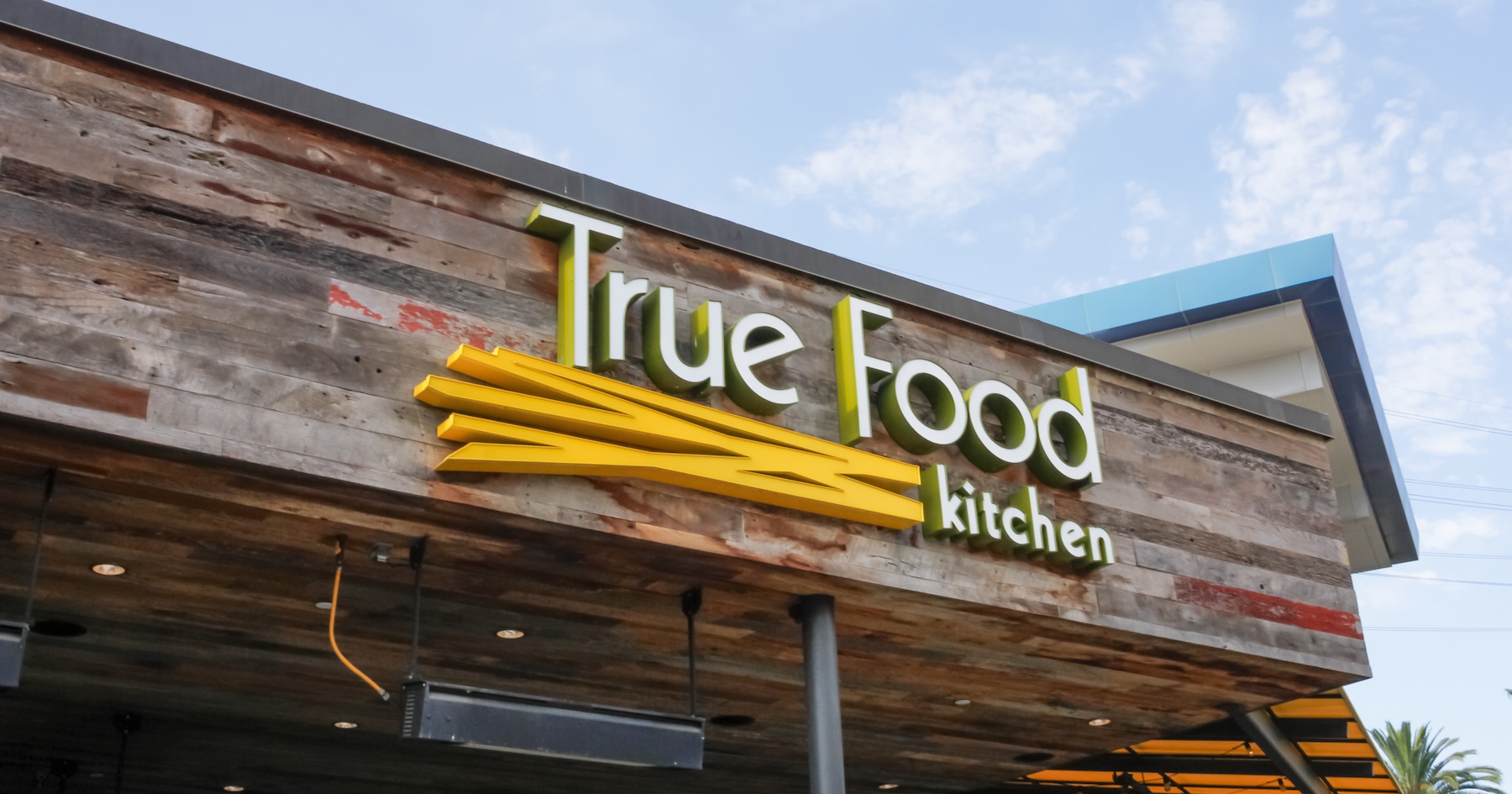
The casual-dining sector faces mounting financial pressures as highlighted by recent legal filings. In the True Food Kitchen bankruptcy, a heavy reliance on alternative financing underscored the deep financial distress facing casual-dining chains navigating stagnant demand, shifting consumer spending, and complex debt structures.
True Food Kitchen, an Oprah-backed casual-dining chain, filed for bankruptcy and closed a dozen restaurants. The filing revealed that the company carried more than $42 million in debt, shining a light on modern corporate capital structures where traditional bank loans are increasingly supplemented—or supplanted—by non-traditional financial products.
What Changed in the Debt Structure
The bankruptcy disclosures laid bare a complex mix of liabilities totaling over $42 million. This total breaks down into $17.2 million in traditional financing, $11.3 million in private debt, and $5 million in convertible notes. Crucially, about a quarter of True Food Kitchen’s overall total debt came from merchant cash advance (MCA) financing or related alternative structures.
Court documents describe some of the alternative funding as merchant cash advance financing, though it is noted that not all of it is true MCA debt. The specific arrangements included $2.2 million extended by Parafin (DoorDash Capital) for advances on future delivery orders, and $1.7 million provided by Rewards Network for credit card sales advances.
Furthermore, a significant portion of the private debt—specifically $7.2 million—was owed to InKind. InKind operates on a distinct financing model where the financier provides capital in exchange for food and beverage credits, typically receiving $2 in restaurant credit for every $1 it provides.
Context: The Rise of Alternative Financing in Dining
True Food Kitchen is far from alone in turning to non-bank lenders. Alternative financing models have increasingly permeated the restaurant industry, utilized by numerous operators facing tight credit markets.
Companies that have tapped into similar alternative financing routes include Bravo Brio Restaurant Group, Fireman Hospitality, Dave’s Hot Chicken operator TIG Reaper, Buttermilk Eatery, Indochine Restaurant Group, Bertucci’s, and Moe’s franchisee Quality Fresca, alongside multiple independent restaurants.
In the case of Bravo Brio, the group received $3.5 million in InKind financing in exchange for $7 million in credit. However, the legal standing of these arrangements can be precarious during insolvency proceedings. InKind asserted nearly $12 million in secured debt in Bravo Brio’s bankruptcy, though a bankruptcy court ruled in March that the firm could not recover anything in the reorganization.
Why It Matters: Costs and Risks of Non-Traditional Capital
While alternative financing provides a rapid injection of liquidity for struggling or expanding operators, it introduces severe structural risks. Traditional MCA financing can come at a high cost, reaching up to 100% in some cases, with repayments taken directly from companies’ accounts on a daily or weekly basis.
This continuous skimming of operating revenue can severely constrain a restaurant’s cash flow, making it exceptionally difficult to service other debt obligations or cover day-to-day operational expenses during a downturn. When macroeconomic headwinds pick up, these aggressive repayment terms can accelerate a company’s slide toward insolvency.
Sector Impact and Industry Demands
The broader casual-dining sector is currently experiencing a challenging environment. Industry demand has waned in recent years as consumers cut back on dining out or diversify their spending toward independent operators. Meanwhile, developing chains continue to add new supply to an already stagnant demand pool, squeezing margins across the board.
As traditional lenders tighten their lending standards for the hospitality sector, operators have been forced to rely on specialized fintech lenders, delivery platform cash advances, and credit-swap models like InKind to bridge operational shortfalls.
Who May Be Affected
The fallout from bankruptcies involving heavy alternative debt extends across multiple stakeholders:
- Restaurant Operators: Chains relying on high-cost cash advances face severe cash flow attrition.
- Fintech and Alternative Lenders: Companies providing delivery advances or credit-swap financing face recovery risks if bankruptcy courts rule against their lien claims, as seen in the Bravo Brio case.
- Creditors and Suppliers: Traditional lenders holding senior secured debt must contend with complex capital stacks that include diverse non-bank claims.
Limitations and Attribution
Industry insights regarding these financial structures have been tracked and analyzed by industry observers, including reporting by journalist Jonathan Maze. While court documents outline the composition of liabilities, complexities remain regarding how courts will ultimately classify credit-swap arrangements versus traditional secured claims.
What to Watch Next
Observers will monitor ongoing bankruptcy proceedings involving True Food Kitchen to see how claims from Parafin, Rewards Network, InKind, and traditional lenders are prioritized. Additionally, the broader market will watch whether tightening conditions prompt stricter regulatory oversight or changing terms for merchant cash advances and delivery platform financing in the hospitality sector.