
Factual Lead
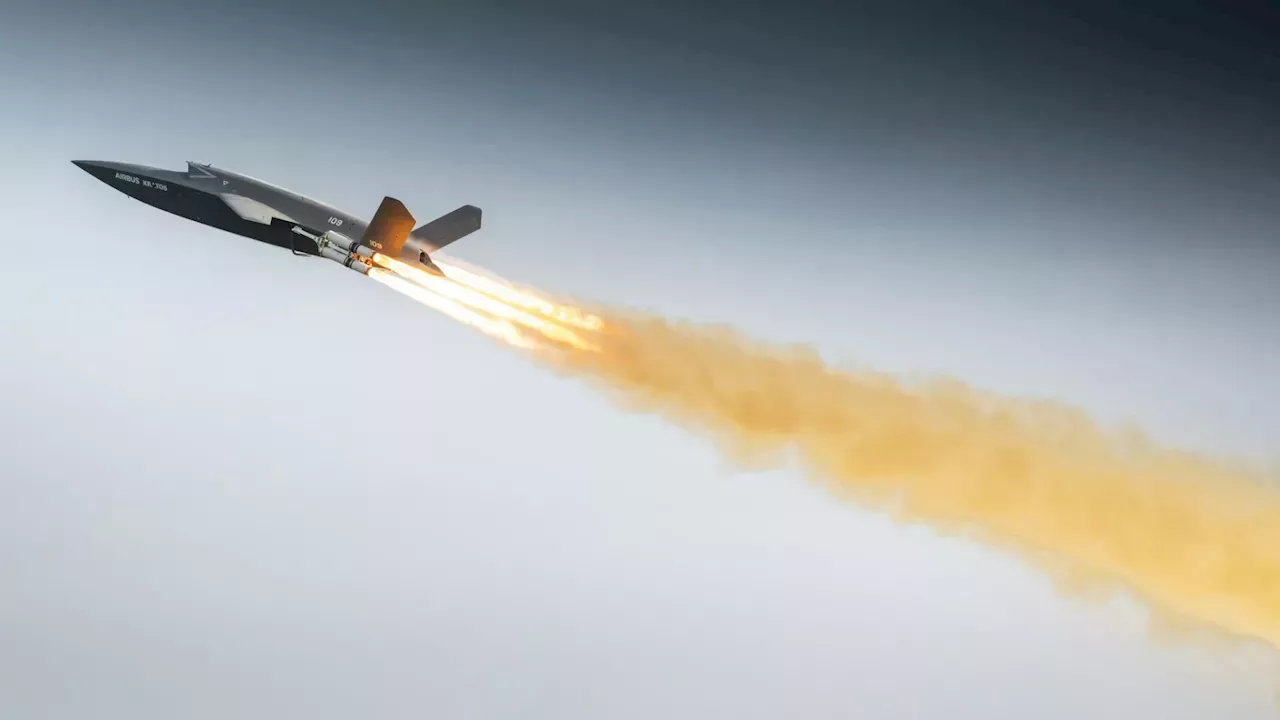
On 12 October 2026, Airbus and Kratos Defense & Security Solutions flew the U740 Valkyrie uncrewed combat aircraft in Europe for the first time. The flight, conducted at an undisclosed facility in Northern Europe, reached Mach 0.8 and demonstrated rocket‑assisted takeoff without a conventional runway. The aircraft also adjusted mission parameters in the air and performed maneuvers that highlighted its autonomous capabilities.
What Changed
The U740 Valkyrie’s European debut is significant because it is the first time the aircraft has flown outside the United States. The test confirmed several key performance metrics that were previously only theoretical:
- Range – The aircraft exceeded 3,100 miles, surpassing the 3,000‑mile benchmark set for the program.
- Altitude – It reached an operational ceiling of 45,000 feet.
- Take‑off – Rocket‑assisted launch was achieved, eliminating the need for a conventional runway.
- Autonomy – The MARS mission system enabled the drone to adjust mission parameters mid‑flight and coordinate with crewed fighters.
These capabilities were integrated into a single flight, demonstrating the maturity of the airframe and the mission system.
Technical Overview
Airframe and Dimensions
The U740 Valkyrie measures 9.1 meters in length and 8.2 meters in wingspan. Its maximum take‑off weight is approximately three metric tons. The design incorporates an internal weapons bay and additional payload stations beneath the wings, allowing for a flexible mix of armaments and sensors.
Propulsion and Performance
Powered by a turbofan engine, the aircraft can cruise at Mach 0.8. The rocket‑assisted takeoff system provides the thrust needed to launch the drone from a rail or a short runway, offering operational flexibility in contested environments.
Mission Management – MARS
The MARS (Mission Autonomous Response System) mission system uses AI‑assisted software to manage autonomous missions and coordinate groups of aircraft. Human operators retain oversight, especially for decisions involving rules of engagement. The system is designed to integrate with existing European air defense networks and can operate independently or in concert with crewed fighters such as the Eurofighter.
Business Implications
Cost and Sovereignty
Defence and Space CEO Mike Schoellhorn emphasized that modern air forces need affordable ways to increase combat capacity in contested environments. He stated:
> “By pairing Kratos’ proven airframe as a ‘program of record’ with Airbus’ sovereign European mission system, we are able to offer a robust, sovereign, affordable, and combat‑ready CCA system by the end of the decade.” – Mike Schoellhorn, Defence and Space CEO
This partnership aims to deliver a collaborative combat aircraft to Germany and other European customers by 2029, positioning the U740 as a cost‑effective addition to national air forces.
Market Expansion
Kratos CEO Eric DeMarco praised the first flight, noting the aircraft’s maturity and the integration work between both teams. He added:
> “He said the partnership could expand opportunities in Germany and other international markets.” – Eric DeMarco, Kratos CEO
The successful flight could open new export opportunities, especially in markets that prioritize sovereign technology and interoperability with existing European platforms.
Operational Context
Integration with Crewed Fighters
The Valkyrie can coordinate with crewed fighters, including the Eurofighter. This capability allows it to operate as part of a mixed fleet, providing additional strike or surveillance options without requiring dedicated launch platforms.
Deployment Flexibility
The aircraft supports conventional runway operations and also rail‑launch capability. Rocket‑assisted takeoff further expands deployment options, enabling operations from austere or contested airfields where runway infrastructure may be limited or compromised.
Risks and Limitations
Uncertain Integration Outcomes
While the first flight demonstrated many key capabilities, the effectiveness of MARS integration with the Valkyrie’s existing systems during future flight tests remains uncertain. Further testing will be required to validate autonomous coordination with crewed fighters under varied operational scenarios.
Facility Location and Test Conditions
The exact location of the undisclosed testing facility in Northern Europe is not publicly known. This lack of transparency may limit independent assessment of environmental and operational variables that could influence performance.
Production and Delivery Timeline
The target delivery of a combat‑ready Collaborative Combat Aircraft to Germany and other European customers is set for 2029. Delays in production, certification, or integration could push this timeline further, impacting procurement plans.
Sector Impact
The Valkyrie’s capabilities align with broader trends in unmanned combat air systems (UCAS) across Europe. By offering a platform that can launch without a runway, operate at high altitudes, and coordinate autonomously with crewed fighters, the U740 addresses several strategic gaps:
- Force Multiplication – Adds strike and surveillance capacity without the need for additional manned aircraft.
- Operational Flexibility – Enables rapid deployment from varied launch sites, including rail and rocket‑assisted systems.
- Sovereign Technology – Combines a proven U.S. airframe with a European mission system, reducing reliance on foreign software and control systems.
Who May Be Affected
- European Air Forces – Potential buyers include Germany and other NATO members seeking cost‑effective UCAS solutions.
- Defense Contractors – Airbus and Kratos may see increased demand for their integrated systems, while suppliers of components such as engines, avionics, and weapons may benefit.
- Policy Makers – Decisions around procurement, export controls, and integration with existing air defense networks will shape the adoption of the U740.
What to Watch Next
- Subsequent Flight Tests – Future flights will need to confirm the aircraft’s ability to coordinate with crewed fighters and operate under contested conditions.
- Certification Process – The path to operational certification in European airspace will determine the speed of deployment.
- Export Negotiations – Discussions with potential customers, especially Germany, will reveal the commercial viability of the platform.
FAQ
Q: What is the maximum range of the U740 Valkyrie?
A: The aircraft exceeds 3,100 miles, as demonstrated in the first European flight.
Q: Can the Valkyrie launch from a runway?
A: Yes, it supports conventional runway operations and also offers rail‑launch and rocket‑assisted takeoff capabilities.
Q: Does the MARS system allow full autonomy?
A: MARS manages autonomous missions and coordinates groups of aircraft, but human operators retain oversight for critical decisions, especially those involving rules of engagement.
Q: When is the U740 expected to enter service?
A: The target delivery of a combat‑ready Collaborative Combat Aircraft to Germany and other European customers is set for 2029.
Q: Who owns the technology behind the U740?
A: The airframe is a proven U.S. design from Kratos, while the mission system is developed by Airbus, creating a sovereign European system.
Q: What are the key benefits of the Valkyrie’s rocket‑assisted takeoff?
A: It eliminates the need for a conventional runway, allowing deployment from austere or contested sites and increasing operational flexibility.
Q: Are there any limitations noted in the first flight?
A: The effectiveness of MARS integration during future tests and the exact location of the testing facility remain uncertain.
Q: Which European fighter can coordinate with the Valkyrie?
A: The aircraft can coordinate with crewed fighters, including the Eurofighter.
Q: Who are the primary stakeholders in this partnership?
A: Airbus, Kratos Defense & Security Solutions, Defence and Space, and potential European defense customers such as Germany.
Q: Where can I find more information about the U740 Valkyrie?
A: The test was reported by Headtopics on 12 October 2026; further details may be available through official statements from Airbus and Kratos.