
Factual Lead
Attacks on tankers sailing through the Strait of Hormuz hit their highest last week of any week since the Iran war began, according to maritime security sources. This surge in maritime incidents marks a critical escalation along one of the world’s most vital energy transit corridors.
What Changed
During the week of September 28 to October 5, data from three maritime security sources recorded at least 12 attacks on oil, liquefied natural gas (LNG), and liquefied petroleum gas (LPG) tankers around the Strait of Hormuz. This figure outpaces previous weekly tallies recorded since the U.S. war with Iran began on February 28.
Collated data from the United Kingdom and international monitoring reflects a stark rise in vessel encounters. Specifically, data from the UN’s shipping agency, the International Maritime Organization (IMO), showed nine incidents involving vessels during that same week of September 28 to October 5. The closest comparable week according to IMO data was the week of July 13, which recorded eight incidents.
Context
The current hostilities stem from a conflict that commenced on February 28. Despite the ongoing regional war, maritime trade has continued under severe duress. In fact, Gulf oil exporters had managed to top pre-war export levels for about half of September.
However, the security environment has deteriorated sharply. The US Navy-led Joint Maritime Information Center (JMIC) noted that attacks, attempted attacks, and harassment activity have persisted. This harassment includes drone overflights, surveillance, and VHF radio hailing by Iran’s Revolutionary Guard.
Technical and Business Explanation
The geopolitical choke point of the Strait of Hormuz handles a massive volume of global energy supplies. The ongoing military actions directly disrupt commercial shipping lanes, forcing maritime operators to navigate complex risks.
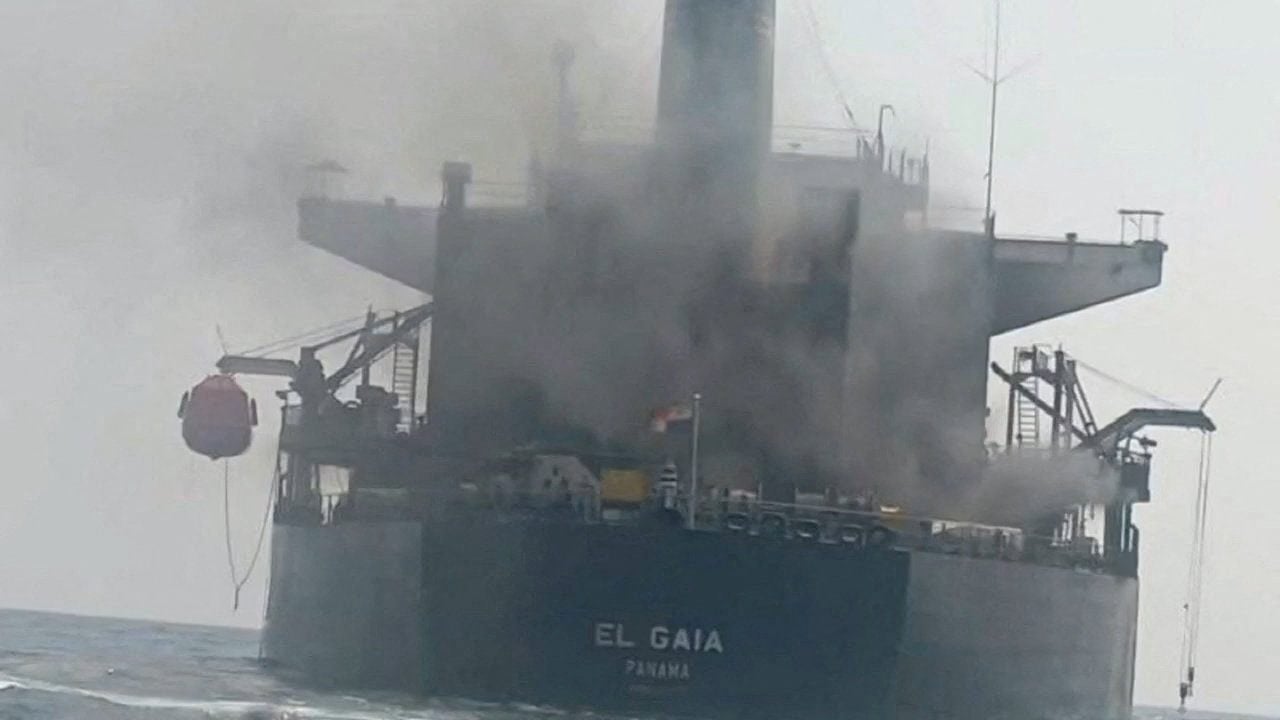
Disputing military claims and accounting methods complicate the assessment of structural damage. For instance, Iran’s Revolutionary Guard claimed that the tanker El Gaia was hit by sea mines as it passed through a prohibited zone south of the Strait of Hormuz. Conversely, the U.S. military disputed this claim, stating the vessel was struck by an Iranian missile last month and rendered inoperable.
Furthermore, independent reporting and agency tracking show minor discrepancies. Real-time data from maritime security sources reported 12 attacks during the September 28 to October 5 window, whereas UN IMO data logged nine incidents, a variance attributed to differing verification criteria and recording timelines.
Sector Impact and Business Implications
The shipping and energy sectors face immediate operational adjustments. Commercial vessels passing through the region must contend with active harassment and kinetic strikes.
Human and operational costs are mounting. India’s foreign ministry stated that 12 crew members were injured after an unknown projectile struck the Panama-flagged oil tanker On Peace while it was passing through the Strait of Hormuz.
The JMIC stated that these ongoing actions continue to demonstrate Iran’s intent to assert its presence along key transit lanes and maintain pressure on transiting vessels. Despite these intense pressures, energy markets have previously shown resilience, with Gulf oil exporters topping pre-war levels for roughly half of September, though the jump in late-September attacks threatens this operational continuity.
Risks and Limitations
Assessing the true frequency and nature of maritime incidents involves certain limitations. The exact cause and timing of specific vessel strikes remain disputed. As seen with the El Gaia, conflicting accounts from Iran’s Revolutionary Guard and the U.S. military introduce uncertainty regarding whether sea mines or missiles caused specific structural failures.
Additionally, verification gaps exist between real-time data compiled by maritime security sources and official UN IMO metrics, stemming from varying thresholds for recording harassment versus confirmed attacks.
What to Watch Next
Industry stakeholders and maritime operators will monitor whether the elevated strike rate observed between September 28 and October 5 persists into subsequent weeks. Observers are also tracking how naval coalitions, such as the JMIC, adjust protective escorts and surveillance protocols to counter drone overflights, VHF radio hailing, and projectile threats in the region.