
Introduction
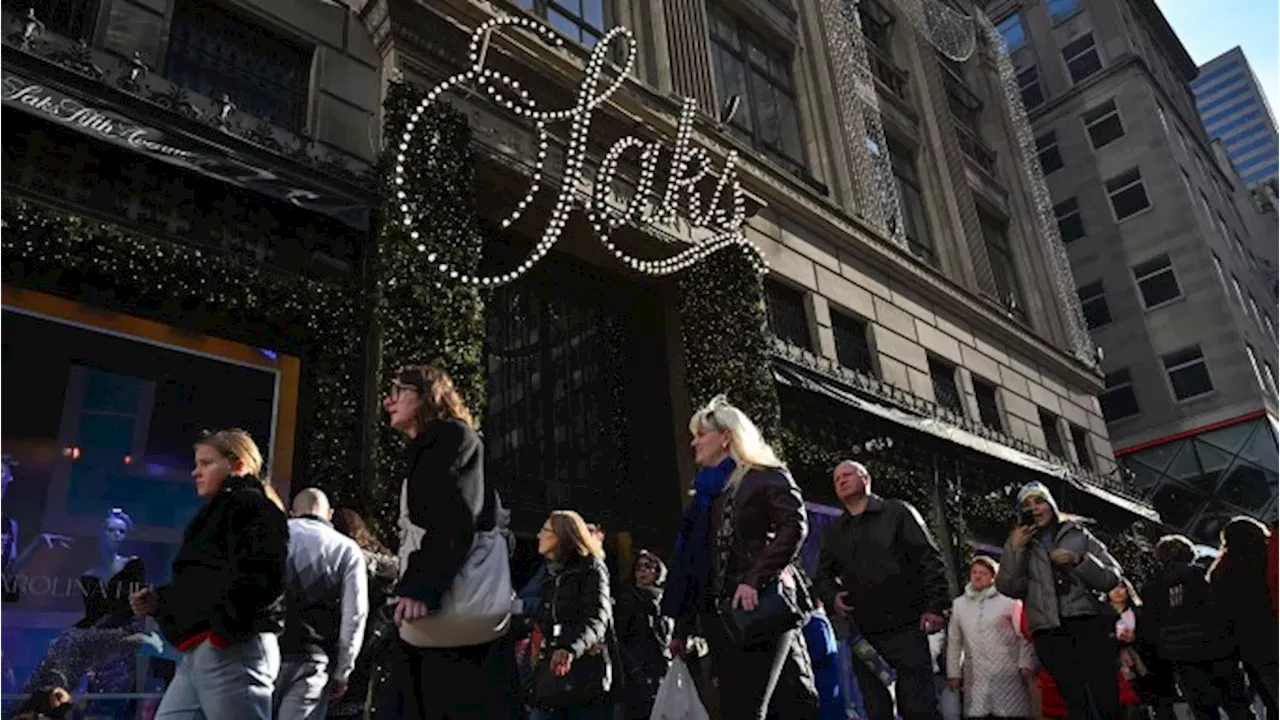
Saks Fifth Avenue opened its Midtown Manhattan flagship in 1924, establishing a towering presence in American retail. Over decades, it evolved into a cultural anchor for high-end fashion. Its status was underscored in 2007 when the United States Postal Service granted the eighth-floor designer-shoe department at the Manhattan flagship its own zip code: 10022-SHOE. Donatella Versace once declared inside its Midtown flagship, “Saks is New York.”
Yet, the modern era brought severe financial and operational distress. Saks Global filed for bankruptcy protection under Chapter 11 in January, carrying $3.4 billion in debt. The filing followed a cascade of managerial and financial problems directly tied to the acquisition of Neiman Marcus. This comprehensive review examines what changed, the business implications, vendor impacts, and what lies ahead for the restructured enterprise.
What Changed
The root of the recent crisis traces back to major corporate transactions and debt accumulation. Hudson’s Bay Company had purchased Saks in 2013, and the iconic Fifth Avenue flagship was mortgaged in 2014 for about $1.2 billion. Later, in 2016, the company bought off-price retailer Gilt Groupe for $250 million, though it sold it a couple of years later.
The defining catalyst for the recent collapse, however, was the 2024 acquisition of Neiman Marcus. That transaction helped saddle Saks Global with enough debt that it eventually fell behind on payments to product suppliers. Consequently, many luxury brands halted inventory shipments entirely.
Faced with mounting liabilities, Saks Global filed for Chapter 11 bankruptcy protection in January with $3.4 billion in debt. As part of the restructuring process, the firm closed 21 stores—comprising 18 Saks Fifth Avenue locations and 3 Neiman Marcus stores—alongside more than 60 Saks Off 5th and Last Call stores. Richard Baker, who served as Hudson’s Bay Company’s governor, executive chairman, and CEO, and later became executive chairman of Saks Global, left his post in January.
Financial Context and Vendor Fallout
The debt crisis exposed deep fissures in how the retailer managed vendor relationships. According to a January 2026 court document, Saks Global owed more than $136 million to Chanel, roughly $60 million to Richemont, and nearly $16 million to the Estée Lauder Companies. Additionally, Hilldun clients were owed more than $66 million by Saks Global, though just under half of that debt was for shipments Hilldun had not guaranteed.
Operational friction compounded the financial strain. Some brands experienced communication issues and were routed to representatives in Bengaluru, India, handling finance, human resources, merchandising, analytics, and marketing. Lorenzo Marinuzzi noted the friction caused by capital allocation choices: “When you’re telling your vendors that you don’t have money to pay them… yet you’re paying off this Hudson’s Bay debt, it rubs people the wrong way.”
The fallout hit independent and smaller brands with particular severity. While many marquee luxury brands eventually received at least half or all of what they were owed, independent brands struggled far more to recover payments. This financial distress led to staff layoffs, canceled runway shows, and sudden cuts to marketing plans for smaller labels.
Restructuring and Business Implications
Following court-supervised proceedings, the firm emerged from Chapter 11 in June. An initial $1.75 billion in new capital allowed suppliers to be paid and merchandise to begin flowing again. By March, Exemplar Luxury Group announced that nearly 600 brands had resumed shipping products to the retailer.
Consumer perception had suffered during the decline. As Anita Berger observed, “People just felt that it wasn’t the same Saks that they used to shop at.” Shoppers had begun voicing concerns directly to store associates, asking if locations were closing because the floor merchandise resembled a discount outlet.
Despite these consumer misgivings, business metrics have shown signs of stabilization post-restructuring. According to Exemplar, associates at Bergdorf Goodman, Neiman Marcus, and Saks Financial are seeing higher overall sales than during the same period in 2025, though exact percentage increases remain part of broader research context rather than absolute metrics.
Limitations and Uncertainties
While court documents outline multi-million dollar debts to major houses like Chanel, Richemont, and Estée Lauder, several details regarding the broader corporate unwind remain opaque. The exact undisclosed sale price of Gilt Groupe after its initial purchase is not publicly defined in definitive financial filings. Furthermore, exact final recovery percentages for every individual independent vendor or brand remain variable, as private settlements and individual factoring arrangements differ.
What to Watch Next
As Saks Global moves forward past its June emergence from Chapter 11, industry observers are tracking whether newly injected capital and restored vendor pipelines can fully rebuild consumer trust. Maintaining stable inventory levels across flagship and regional locations will be vital to answering Julia Stedman’s observation that “Saks was the reliable destination where you knew you could find whatever you wanted.” The coming quarters will test whether the streamlined store footprint and renewed supplier confidence can sustain long-term profitability for the American luxury icon.