
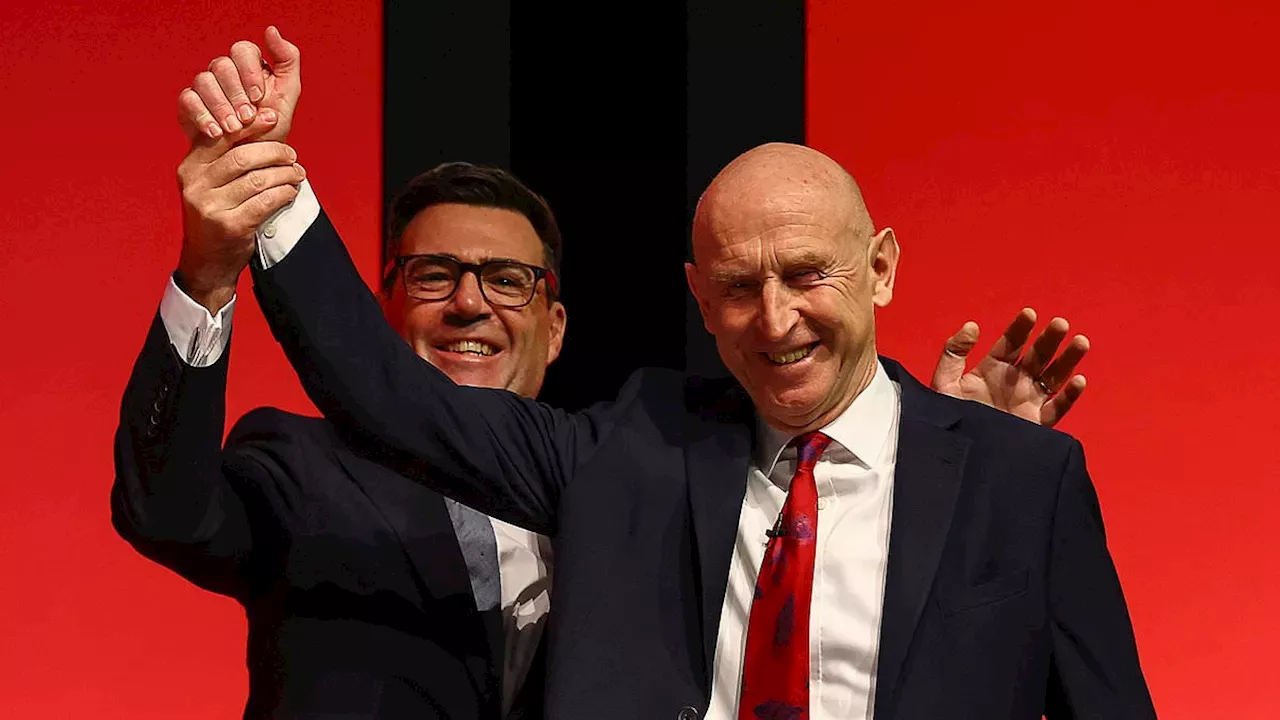
Prime Minister Andy Burnham has announced plans for greater state intervention and control in water, energy, and housing at the Labour Party conference, marking what has been described as the most Left-wing speech delivered by a modern British prime minister.
Speaking during the political gathering, Mr. Burnham stated that “We can’t go on as we are” and argued that politics-as-usual has taken Britain backwards. He further claimed that the country is currently “run for vested interests, not in the public interest, with power held in too few hands.”
What Changed
The Labour Party conference brought forward significant shifts in policy direction under Prime Minister Andy Burnham. Alongside broader interventions in key utilities, specific measures were unveiled across housing and social care.
Communities Secretary Angela Rayner announced new plans allowing local councils to seize private homes that have been left empty for six months. Meanwhile, Mr. Burnham’s comprehensive plan to reform social care has been costed at £18 billion.
In addition to these announcements, the Government stated it stands ready to put Thames Water into a “special administration scheme” if a proposed bailout plan fails. At the same time, the renationalisation of the railways is already under way.
Business and Economic Implications
The extensive policy shifts introduced at the conference carry profound implications for the UK business landscape, regional governance, and public finances.
While full-scale nationalisation of major utilities remains unlikely at this stage due to enormous costs, government ministers are actively exploring alternative market interventions. These include appointing elected mayors to lead regional oversight boards.
The massive £18 billion cost attached to social care reforms has also triggered intense economic speculation. There is mounting speculation that Mr. Burnham may end the pensions triple lock to help pay for these reforms. Reinforcing this uncertainty, Chancellor John Healey repeatedly refused to commit to maintaining the pensions triple lock beyond the next election.
Sector Impact and Market Interventions
The utilities and housing sectors face immediate operational and regulatory adjustments under the newly announced framework. Water companies, typified by the ongoing scrutiny surrounding Thames Water, face potential placement into special administration schemes should private bailout efforts falter.
Energy and water markets are navigating a landscape where direct state intervention is increasingly favored over purely market-driven models. Regional oversight is also set to evolve, with ministers exploring the appointment of elected mayors to manage regional boards.
Risks, Limitations, and Opposition
The ambitious program has drawn sharp criticism from political opponents. Conservative Party chairman Kevin Hollinrake criticized the plans, stating that Labour’s tax rises have crushed businesses and family finances.
Furthermore, practical limitations temper the scope of the reforms. Ministers have acknowledged that the full-scale nationalisation of major utilities is unlikely at this stage due to enormous costs, steering policy instead toward targeted market interventions and regional oversight boards.
Uncertainties also persist regarding the funding mechanisms for major social care overhauls, particularly given the ongoing speculation surrounding the future of the pensions triple lock.
Who May Be Affected
A diverse range of stakeholders will feel the effects of these policy announcements:
- Property Owners: Owners of private homes left empty for six months face the prospect of council seizures under Angela Rayner’s unveiled plans.
- Utility Providers: Companies such as Thames Water face strict government oversight, with special administration schemes ready if bailouts fail.
- Pensioners: Individuals relying on the pensions triple lock face uncertainty as the Government weighs funding options for £18 billion in social care reforms.
- Businesses and Families: Broad economic concerns have been raised by opposition figures regarding the cumulative impact of tax rises and state intervention.
What to Watch Next
Observers and market participants will monitor several key developments following the conference:
- Whether the Government proceeds with placing Thames Water into a special administration scheme.
- Concrete legislative steps regarding council powers to seize private homes empty for six months.
- Further clarity from Chancellor John Healey and Prime Minister Andy Burnham on the future of the pensions triple lock.
- Progress on regional oversight boards led by elected mayors as alternatives to full-scale utility nationalisation.