
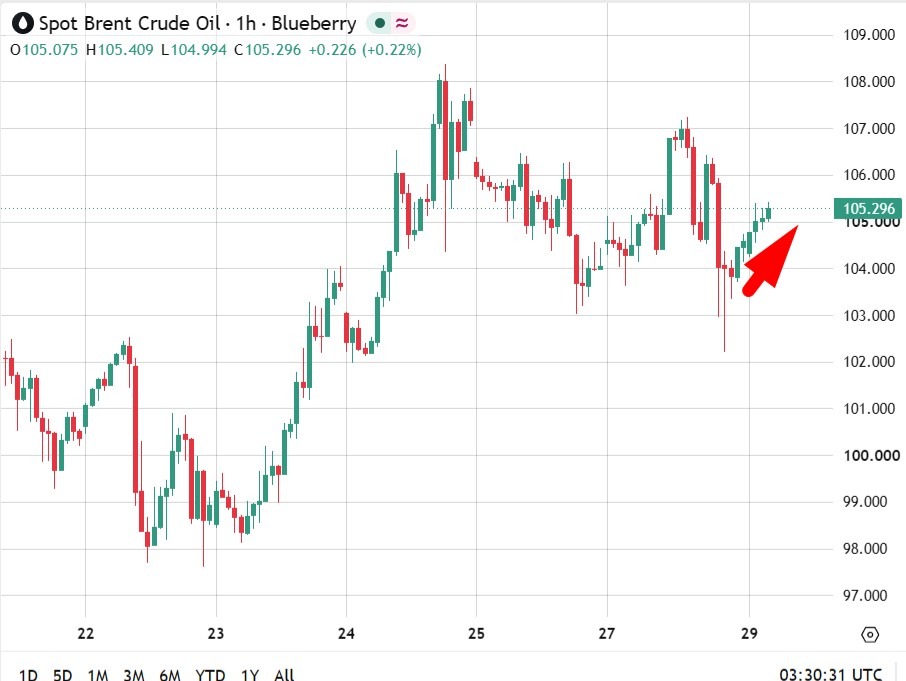
Asia-Pacific stocks mostly fell on Tuesday, September 29, 2026, following a weak Wall Street handover, initiating a complex trading session defined by rising US Treasury yields, shifting commodity prices, and major regional economic updates. Investors across global trading desks closely monitored macroeconomic shifts alongside corporate developments, including sweeping financial disclosures from artificial intelligence startup Anthropic.
What Changed
Regional equity markets retreated as investors reacted to external pressures from Wall Street. The Nikkei 225 fell 1.2%, led lower by refiner and power-related stocks. Meanwhile, South Korea’s KOSPI dropped 0.6%, dragged down by technology heavyweights.
Concurrently, currency and monetary policy discussions took center stage. Japanese Finance Minister Satsuki Katayama stated that Tokyo agreed with US Treasury Secretary Scott Bessent to step up cooperation, explicitly calling an undervalued yen problematic. In Australia, household spending remained flat in August against a forecast rise of 0.4%, with annual growth easing to 6.8% from 7.0%. This local consumer data arrived ahead of a Reserve Bank of Australia rate decision where a hike to 4.60% was widely expected.
Context and Background
The negative momentum in Asian trading floors followed a weak handover from Wall Street. Compounding the risk-off sentiment, the US 10-year Treasury yield closed at around 5.24% on Monday, marking its highest close since the US attack on Iran on February 28.
Energy and precious metals also reacted to shifting geopolitical headlines. Oil prices rose amid conflicting geopolitical headlines regarding Iran, which were later denied by an Iranian official and President Donald Trump. Specifically, reports regarding Iranian flexibility on nuclear issues and US sanctions relief or the return of frozen funds were explicitly denied. Gold rose 0.5% in an attempt to recover after slumping on Monday alongside higher yields.
Sector Impact and Regional Measures
Individual markets and governments deployed targeted measures to stabilize or bolster local sentiment. Singapore announced it will allocate S$1.45 billion, equivalent to about US$1.1 billion, to five asset managers to support its domestic equities market.
In the technology sector, regulatory and financial disclosures drew intense scrutiny. Reuters reported details from Anthropic’s IPO prospectus, revealing a net loss of around $42 billion for 2025 alongside revenue of nearly $4.6 billion. The filing also outlined massive planned compute commitments of about $518 billion. Unaudited market claims suggest that Anthropic could eventually be valued at more than $2 trillion, with an initial public offering debut likely arriving after US midterm elections.
Business Implications
Elevated US Treasury yields continue to exert gravity on global risk assets, increasing borrowing costs and impacting equity valuations across technology and energy sectors. For Asian exporters and financial institutions, navigating a stronger or more actively managed currency environment—such as the coordinated messaging between Tokyo and Washington regarding the yen—requires heightened vigilance.
Furthermore, the massive capital and compute commitments outlined by AI firms like Anthropic underscore the staggering capital expenditure cycle currently underway in the technology sector. As central banks weigh tighter policy—evident in Australia’s anticipated rate path—corporates and markets alike must adapt to tighter liquidity conditions.
Risks and Limitations
Market participants face several ongoing uncertainties. Geopolitical tensions in the Middle East remain volatile, as demonstrated by conflicting headlines regarding Iran that lack formal diplomatic resolution. Additionally, macroeconomic data prints, such as Australia’s flat August household spending, signal potential consumer deceleration even as central banks contemplate further tightening.
What to Watch Next
Observers should monitor forthcoming central bank announcements, particularly the Reserve Bank of Australia rate decision regarding the widely anticipated hike to 4.60%. Further updates regarding foreign exchange cooperation between Japanese and US fiscal authorities will also remain critical for currency markets. Finally, ongoing developments surrounding major technology market debuts and corporate capital expenditure paths will shape broader investor sentiment through the remainder of the year.