
Launch Overview
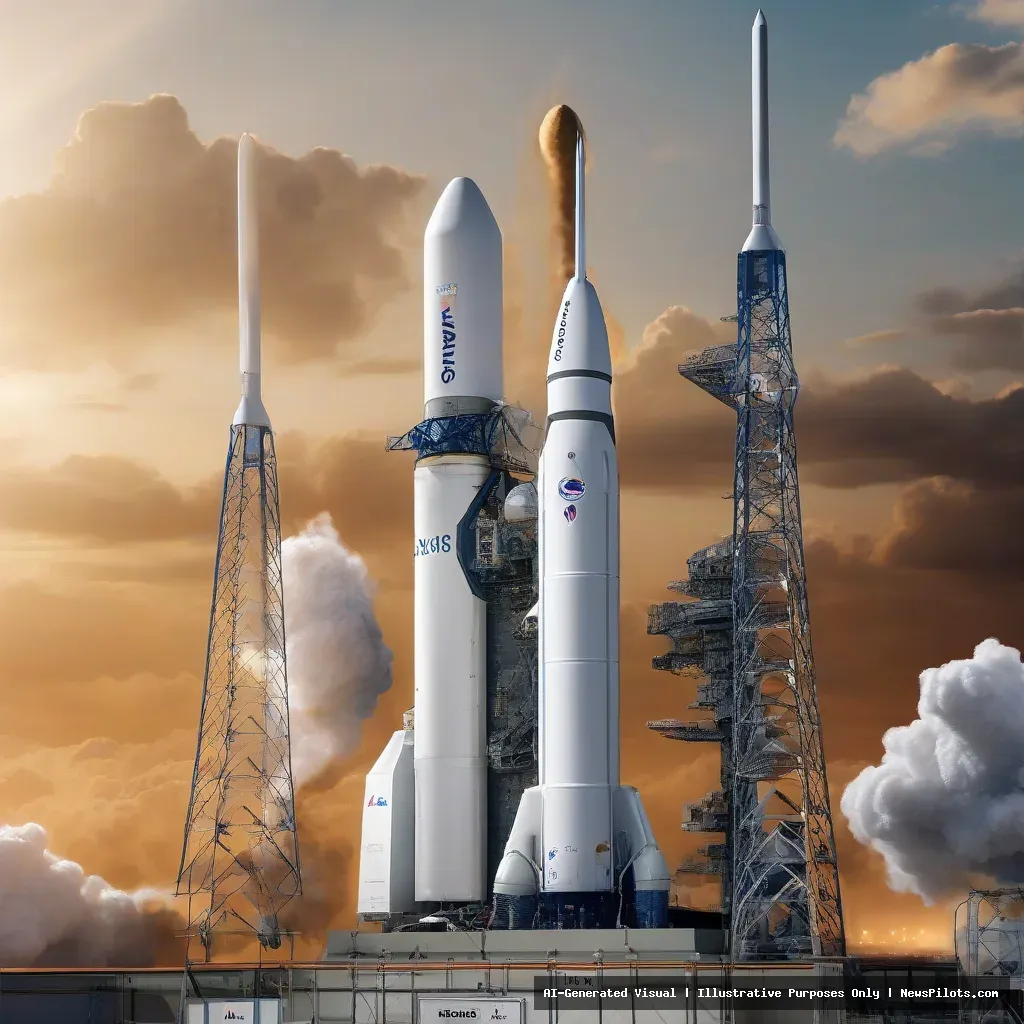
At 14:45 UTC, the European Ariane 6 rocket lifted off from the Guiana Space Centre in French Guiana, carrying the Sentinel‑1D Earth‑observation satellite into low‑Earth orbit. The launch marked the first use of Ariane 6’s upgraded booster, which the European Space Agency (ESA) described as “more powerful than ever before.” The mission also transported 36 additional satellites for Amazon’s Leo constellation, showcasing the launcher’s expanded capacity for commercial payloads. Ariane 6 launch is an important part of the developments covered in this report.
Ariane 6 launch: What It Means and Why It Matters
Payload Composition
The primary payload, Sentinel‑1D, is part of the Copernicus Sentinel program, providing high‑resolution radar imaging for climate monitoring, disaster response, and maritime surveillance. With its synthetic‑aperture radar, the satellite can capture data through cloud cover and at night, ensuring continuous coverage of Earth’s surface. The secondary payloads, a fleet of 36 small satellites for Amazon’s internet‑of‑things service, illustrate the growing demand for rapid deployment of commercial constellations.
Ariane 6’s Enhanced Performance
Ariane 6’s new booster features a larger first stage and upgraded propulsion, allowing it to lift heavier payloads to orbit compared with its predecessor, Ariane 5. The launch demonstrated the rocket’s ability to carry both large scientific satellites and a significant number of small commercial spacecraft in a single flight, a capability that will be crucial as Europe’s space industry expands.
Live Coverage and Public Engagement
ESA streamed the launch live, providing real‑time commentary and visual feeds for audiences worldwide. The live coverage highlighted the rocket’s ascent, stage separations, and the deployment of the Sentinel‑1D payload. ESA’s announcement of the launch’s success was followed by an immediate statement confirming the satellite’s insertion into its intended orbit.
Implications for Weather and Earth Observation
Sentinel‑1D’s addition to the Copernicus fleet enhances Europe’s capacity to monitor atmospheric conditions, land use changes, and sea‑ice dynamics. The satellite’s radar system will improve the accuracy of weather forecasts and support early warning systems for natural disasters such as floods and wildfires. Its continuous imaging capability is expected to fill gaps left by optical satellites that are limited by cloud cover.
Commercial Satellite Launch Trend
The inclusion of Amazon’s 36 Leo satellites underscores a broader trend of commercial entities seeking reliable launch services to rapidly deploy large constellations. Ariane 6’s ability to accommodate both scientific and commercial payloads positions ESA’s launcher as a competitive option in the global market, potentially attracting future missions from other space‑faring nations and private companies.
Future Missions and European Space Strategy
ESA has announced plans to use Ariane 6 for upcoming missions, including further Sentinel satellites and other Earth‑observation platforms. The successful deployment of Sentinel‑1D reinforces Europe’s commitment to maintaining autonomy in space launch capabilities, reducing reliance on external launch providers and strengthening the continent’s role in global space operations.
Conclusion
The Ariane 6 launch of Sentinel‑1D and the accompanying Amazon Leo satellites demonstrates the rocket’s enhanced performance and versatility. By delivering critical weather‑monitoring technology to orbit while simultaneously supporting commercial satellite deployments, the mission highlights the evolving landscape of space launch services and the growing importance of reliable, high‑capacity rockets for both scientific and commercial objectives.
Related Articles
- India Targets 2035 to Build Its Own Space Station, First Module Approved
- NODWIN Gaming Announces SpaceFest as India’s First Space, Science and Sci-Fi Festival
Original Source: Space
What Happens Next?
The next phase of this development will be closely watched by industry participants, consumers and policymakers. Ariane 6 launch could influence future technology, business decisions and broader market trends. The practical impact will depend on implementation, cost, reliability, regulatory developments and how quickly the underlying technology evolves.