
Introduction
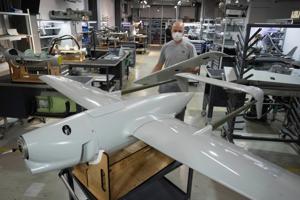
Recent reporting has highlighted the presence of Chinese technology within the unmanned aerial systems (UAS) fielded by Ukraine. The focus on this supply‑chain element underscores a broader concern: when a military force relies on components that originate from a foreign commercial ecosystem, questions about security, reliability, and strategic autonomy naturally arise. The term Chinese technology has become shorthand for a potential vulnerability that could affect mission effectiveness and national‑security posture.
Background: The Rise of Commercial Off‑The‑Shelf Drones in Conflict
Over the past decade, the proliferation of commercial drones has transformed both civilian and military operations. The low cost, rapid availability, and ease of modification have made commercial platforms attractive for tactical use. In many theaters, armed forces have adapted these systems for reconnaissance, target acquisition, and even strike roles. This trend has blurred the line between consumer electronics and defense hardware, creating a complex web of supply chains that span multiple countries and industries.
What Changed? The Emergence of Chinese Components in Ukraine’s UAS
Public reporting indicates that a segment of Ukraine’s drone fleet incorporates components manufactured in China. While the specific parts—such as processors, sensors, or power modules—have not been disclosed in detail, the acknowledgment of Chinese origins signals a shift in the composition of the supply chain. This change is significant because it introduces a new set of dependencies that were previously less pronounced in Ukraine’s UAS procurement strategy.
Technical Overview: How Commercial Components Are Integrated
Commercial drones are typically assembled from a mix of off‑the‑shelf parts: microcontrollers, radio modules, camera systems, and battery packs. When a military operator modifies a commercial platform, they often retain the core electronics and firmware, sometimes adding custom payloads or encryption layers. The integration process can be straightforward, but it also means that any vulnerability in the original component—whether due to design flaws, supply‑chain tampering, or firmware backdoors—can propagate into the operational system.
Supply‑Chain Vulnerabilities: Why Origin Matters
Supply‑chain security hinges on traceability, quality assurance, and control over the manufacturing environment. Components produced in a country with a different regulatory framework or security posture may be subject to undisclosed modifications. In the context of UAS, a compromised microcontroller could allow an adversary to intercept telemetry, alter flight paths, or disable the system entirely. The presence of Chinese technology raises the possibility that such risks exist within Ukraine’s operational fleet.
National‑Security Implications: Autonomy and Resilience
For a nation engaged in active conflict, the ability to maintain autonomous control over its unmanned systems is paramount. If a critical component can be influenced or monitored by a foreign state, the strategic value of the platform diminishes. Moreover, the potential for supply‑chain disruptions—whether through export controls, sanctions, or geopolitical tensions—could leave operators without timely repairs or replacements, impacting mission readiness.
Business Implications: Procurement and Industry Dynamics
Defense procurement agencies must balance cost, performance, and security. The reliance on commercial off‑the‑shelf hardware often offers a cost advantage, but it can also expose operators to hidden risks. The emergence of Chinese components in a high‑stakes environment may prompt a reevaluation of vendor selection criteria, encouraging a shift toward domestic or allied suppliers. This shift could influence the broader commercial drone market, potentially reducing demand for certain Chinese‑made parts and encouraging diversification.
Risk Assessment: Identifying Potential Threats
While concrete evidence of exploitation is not publicly available, the theoretical risks associated with foreign components are well documented in security literature. These include:
- Firmware backdoors that could be activated remotely.
- Hardware trojans that alter sensor readings or control signals.
- Supply‑chain tampering that introduces counterfeit or sub‑standard parts.
- Disruption of maintenance support due to export restrictions.
Each of these scenarios could degrade operational effectiveness or compromise sensitive data.
Mitigation Strategies: Strengthening the Supply Chain
To address the identified risks, several measures can be considered:
- Comprehensive component audits that verify origin and authenticity.
- Implementation of secure firmware update mechanisms that require cryptographic validation.
- Development of domestic or allied manufacturing capabilities for critical parts.
- Establishment of rapid replacement protocols to minimize downtime.
- Collaboration with international partners to share threat intelligence and best practices.
These strategies aim to reduce dependency on foreign components while preserving the operational benefits of commercial platforms.
What to Watch Next: Policy and Market Developments
Observing how Ukraine and its allies respond to these concerns will provide insight into future procurement trends. Potential developments include:
- Increased scrutiny of supply‑chain provenance in defense contracts.
- Legislative actions that restrict the use of certain foreign components.
- Investment in domestic manufacturing of key electronics.
- Enhanced collaboration with allied nations to secure joint supply chains.
These actions could reshape the landscape of unmanned systems procurement and influence global supply‑chain dynamics.
Limitations and Uncertainties
The analysis presented here is constrained by the limited publicly available information. Specific details about the types of Chinese components, their manufacturers, or the extent of their integration remain undisclosed. Consequently, the assessment of risk is based on general principles of supply‑chain security rather than on hard data. Future disclosures or technical investigations could refine or alter the conclusions drawn in this article.
Conclusion
The presence of Chinese technology in Ukraine’s drone arsenal highlights a critical intersection between commercial supply chains and national‑security interests. While the operational benefits of commercial platforms are clear, the potential vulnerabilities introduced by foreign components warrant careful consideration. By adopting robust audit practices, securing firmware, and exploring domestic alternatives, operators can mitigate risks and preserve the strategic value of their unmanned systems. The evolving situation will likely prompt broader discussions about supply‑chain resilience across the defense sector.