
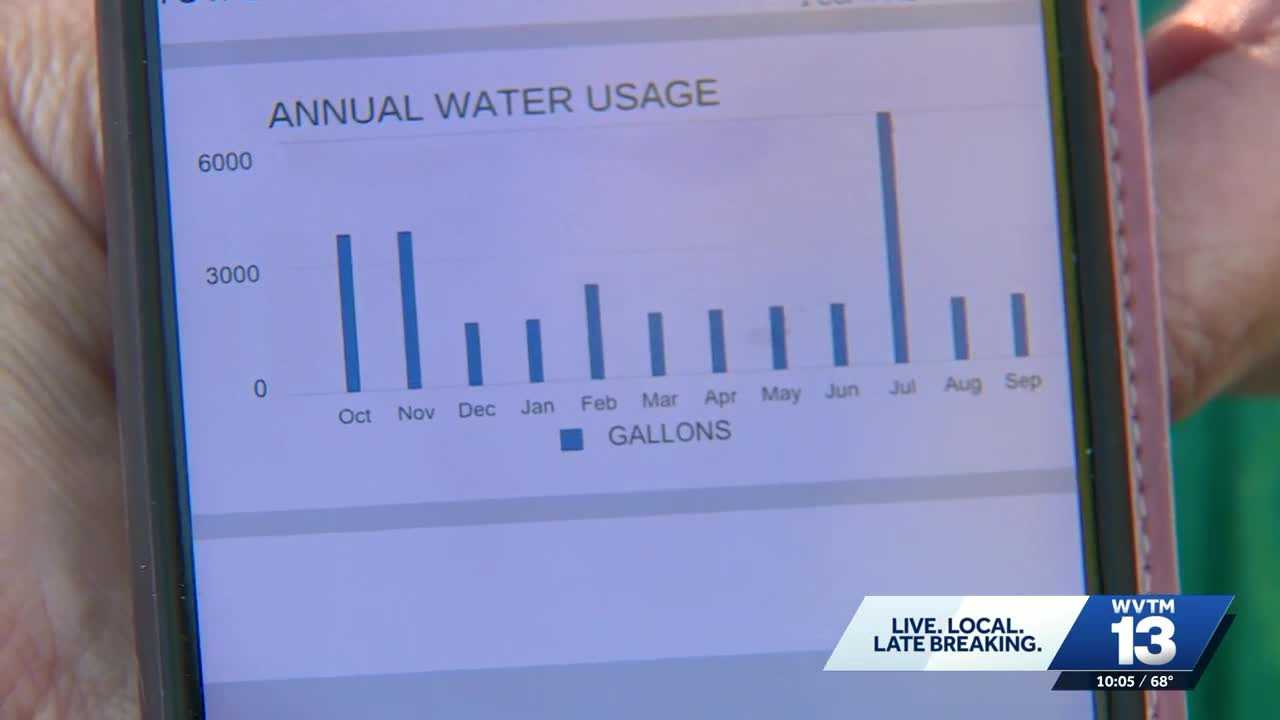
The Central Alabama Water board considered three proposed rate structures during a Friday meeting, ultimately endorsing a plan to charge nearly every residential customer a uniform rate per unit of water used. If approved, the new rate structure will take effect on Jan. 1, 2027. Under the proposal, nearly 90% of Central Alabama Water residential customers could pay more each month, while some heavier users would see bill reductions. Lower and moderate-use customers would see monthly increases of roughly $4 or $5 under the change.
What Changed
The Central Alabama Water board evaluated three options during its meeting: keeping the current three-tier structure, including the first three CCF of water in the monthly base charge (where one CCF equals about 748 gallons), or moving to a uniform rate per unit of water used. The endorsed proposal completely eliminates the existing three-tier pricing system, where the unit price previously increased alongside usage volume. Central Alabama Water estimates the uniform rate structure would generate approximately $215.2 million in revenue compared to $215.3 million under the existing structure, reflecting a difference of less than one-tenth of 1%.
Context and Background
Central Alabama Water officials stated during the deliberations that money is tight and that a uniform rate structure provides more revenue predictability compared to relying on high-tier outdoor irrigation usage, which fluctuates heavily depending on rainfall. Furthermore, utility representatives claimed that Central Alabama Water maintains sufficient water capacity and no longer requires steeply tier-priced rates to encourage conservation. Utility advocates argued that a uniform rate is simpler to administer and could provide financial benefits to larger households.
Business and Sector Implications
While the utility projects virtually identical overall revenue of $215.2 million, the internal distribution of costs shifts significantly across customer segments. Approximately 90% of residential customers face monthly bill increases, with lower and moderate users absorbing roughly $4 or $5 more per month. Conversely, some heavier users—such as those with higher volume consumption—would see bill reductions under the flattened per-unit fee.
Risks and Limitations
The proposed restructuring has drawn sharp criticism from consumer advocates and residential users who view the changes as unfair to frugal households. Critics argue the uniform model penalizes customers who actively minimize consumption. Frugal households voiced frustration, pointing out that low-use customers who do not water outside or engage in high-volume activities will still face higher bills. One customer remarked, “We’re very, very frugal. We keep everything down as much as we can. We don’t water outside. We don’t do anything like that. But still, you have to have water.” Another customer compared the pricing model to sharing a restaurant check unevenly, stating, “My comparison is like when we go out to eat and they want to give one bill for the table, and somebody over here just ate an appetizer and somebody else ate an appetizer, two drinks, full course meal, and we’re all saying we have to pay the same.” Additional criticism included warnings from residents telling utility leadership, “Don’t try to fix something that’s not broken. And if you do decide to go with changes, make sure that those changes impact your customers positively for the long term.”
Who May Be Affected
Residential customers throughout the service area will experience direct impacts if the transition proceeds. Lower- and moderate-use households face modest monthly increases of $4 to $5. High-volume users, conversely, stand to benefit from bill reductions under the eliminated tier pricing. Critics claim the proposal penalizes frugal households and reduces incentives for water conservation.
What to Watch Next
Although the board endorsed the uniform rate proposal during the Friday meeting, it has not been formally enacted yet. It remains unclear when the Central Alabama Water board will hold a final vote on the proposed rate changes, and it is uncertain whether the board will formally enact the uniform rate option or select an alternative structure. If approved, the changes are scheduled to take effect on Jan. 1, 2027. Reporting by WVTM 13 journalists Ayron Lewallen, Valerie Davis, Precious Sanders, and Derrel Nunn documented the board proceedings and customer reactions in Birmingham, Alabama.