
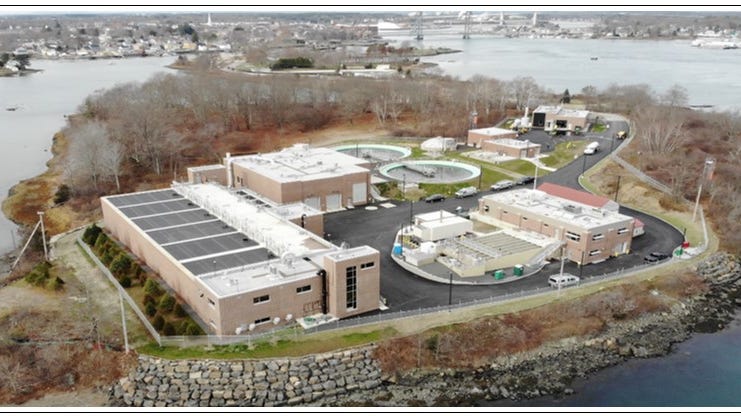
Cyberattacks on Water Systems: New Hampshire Official Warns Portsmouth
On September 28, 2026, a New Hampshire state official issued a formal warning to the city of Portsmouth, alerting local authorities and residents to the heightened risk of cyberattacks on municipal water systems. The advisory, reported by Seacoastonline, emphasizes the vulnerability of water infrastructure to digital intrusions and calls for immediate action to strengthen cybersecurity defenses.
Background
Water utilities across the United States have historically relied on isolated operational technology (OT) networks and legacy control systems. Over the past decade, however, many utilities have modernized their operations by integrating remote monitoring, cloud‑based analytics, and Internet‑of‑Things (IoT) devices. While these upgrades improve efficiency and data visibility, they also expand the attack surface that malicious actors can exploit.
The U.S. Department of Homeland Security’s 2024 Critical Infrastructure Protection (CIP) report noted that water and wastewater facilities are among the top 10 sectors targeted by state‑sponsored and criminal cyber actors. In 2023, the U.S. Cybersecurity and Infrastructure Security Agency (CISA) documented 12 incidents involving water utilities, ranging from ransomware attacks to unauthorized access to supervisory control and data acquisition (SCADA) systems.
Portsmouth, a city of approximately 20,000 residents, operates a municipal water system that supplies drinking water to the local population and supports regional industries. While the city’s water infrastructure is not publicly listed as a critical asset in federal threat assessments, the state’s warning suggests that the system’s digital controls may be exposed to similar risks faced by larger utilities.
What the Warning Means
The advisory does not specify the exact vulnerabilities or the nature of the threat. According to the Seacoastonline article, the warning was issued by a New Hampshire official—though the official’s title and the agency involved were not disclosed. The lack of detail reflects the sensitivity of cybersecurity information and the need to avoid providing adversaries with actionable intelligence.
Nevertheless, the warning signals that Portsmouth’s water system may be a potential target for cybercriminals or nation‑state actors seeking to disrupt essential services. The advisory urges local authorities to review their cybersecurity posture, conduct risk assessments, and implement best‑practice controls.
Technical Context
How Water Systems Are Controlled
Modern municipal water systems typically use a combination of SCADA, distributed control systems (DCS), and programmable logic controllers (PLC) to regulate water treatment processes, pumping stations, and distribution networks. These devices are often connected to corporate networks for remote monitoring and maintenance.
The integration of OT and IT networks introduces several technical challenges:
1. **Legacy Protocols** – Many control devices use proprietary or outdated communication protocols that lack encryption or authentication.
2. **Remote Access** – Remote management tools, such as VPNs or cloud‑based dashboards, can create entry points for attackers if not properly secured.
3. **Patch Management** – OT devices often run on older operating systems that are no longer supported, making them vulnerable to known exploits.
4. **Insider Threats** – Employees with privileged access to control systems can inadvertently or intentionally introduce malware.
Common Attack Vectors
– **Ransomware** – Encrypting control system files or network shares to demand payment.
– **Privilege Escalation** – Gaining higher access levels to manipulate process parameters.
– **Denial‑of‑Service (DoS)** – Overloading network resources to disrupt monitoring and control.
– **Supply‑Chain Compromise** – Inserting malicious code into firmware updates or third‑party software.
While the Seacoastonline article does not detail which vectors Portsmouth may face, the advisory aligns with national trends that emphasize the need for robust segmentation, monitoring, and incident response.
Typical Vulnerabilities in Municipal Water Systems
Even without specific details about Portsmouth, several vulnerabilities are common across many municipal utilities:
– **Unpatched Software** – Control devices that run outdated firmware or operating systems.
– **Weak Authentication** – Use of default passwords or lack of multi‑factor authentication (MFA).
– **Inadequate Network Segmentation** – Failure to isolate OT networks from corporate or public networks.
– **Lack of Continuous Monitoring** – Absence of real‑time intrusion detection systems (IDS) or security information and event management (SIEM) solutions.
– **Insufficient Incident Response Plans** – No documented procedures for responding to cyber incidents affecting critical processes.
These weaknesses can allow attackers to gain unauthorized access, alter treatment parameters, or disrupt water distribution.
Mitigation Strategies
While the advisory does not prescribe specific actions, industry guidance offers a roadmap for municipalities to reduce cyber risk:
1. **Network Segmentation** – Physically or logically separate OT networks from IT networks to limit lateral movement.
2. **Patch Management** – Establish a schedule for updating firmware and software on control devices, even if the vendor no longer supports the product.
3. **Strong Authentication** – Implement MFA for all remote access and enforce password policies.
4. **Continuous Monitoring** – Deploy IDS/IPS and SIEM solutions tailored to OT environments.
5. **Incident Response Planning** – Develop and test a cyber incident response plan that includes coordination with local law enforcement and state agencies.
6. **Employee Training** – Conduct regular cybersecurity awareness training for staff who interact with control systems.
7. **Vendor Management** – Vet third‑party vendors for security practices and require secure coding standards.
The Seacoastonline article notes that Portsmouth’s officials are likely to review these measures in response to the warning.
Implications for Portsmouth
Operational Impact
A successful cyberattack on Portsmouth’s water system could lead to:
– **Water Quality Issues** – Unauthorized changes to chemical dosing or filtration processes.
– **Service Interruptions** – Disruption of pumping or distribution, potentially causing water shortages.
– **Public Health Risks** – Exposure to contaminants if treatment processes are compromised.
– **Financial Costs** – Emergency repairs, legal liabilities, and potential fines from regulatory bodies.
The city’s emergency management plans may need to be updated to account for cyber‑induced disruptions.
Regulatory and Legal Considerations
New Hampshire’s Department of Environmental Services (DES) oversees water quality compliance. While the state’s warning does not explicitly mention DES, the city may face increased scrutiny from state regulators if a cyber incident occurs. Additionally, the federal Clean Water Act imposes reporting requirements for significant water quality events, which could be triggered by a cyberattack.
Community Trust
Public confidence in municipal services is critical. A cyber incident that affects water supply could erode trust and lead to calls for greater transparency and oversight. Portsmouth may need to engage with residents through public meetings, newsletters, and social media to communicate steps being taken to protect water infrastructure.
Broader Impact on New Hampshire
Portsmouth is not the only municipality in New Hampshire with modernized water infrastructure. The state’s warning may prompt other cities and towns to conduct similar assessments. The advisory could also influence state policy, potentially leading to:
– **Mandatory Cybersecurity Audits** – Requiring municipalities to submit annual reports on their OT security posture.
– **Funding Opportunities** – State or federal grants to support cybersecurity upgrades for critical infrastructure.
– **Regulatory Updates** – New guidelines for water utilities to adopt segmentation, MFA, and incident response protocols.
The Seacoastonline article suggests that the warning is part of a broader effort to raise awareness about cyber threats to essential services.
Business and Operational Implications
Cost of Upgrades
Implementing the mitigation strategies outlined above can be costly. Municipalities may need to invest in new hardware, software, and personnel training. However, the cost of a cyber incident—both direct and indirect—often far exceeds the investment in preventive measures.
Workforce Requirements
Water utilities traditionally employ engineers and technicians with specialized knowledge of OT systems. Cybersecurity roles, such as a Chief Information Security Officer (CISO) or a dedicated OT security analyst, may be new to many municipalities. Portsmouth may need to hire or train staff to manage cybersecurity risks effectively.
Inter‑Agency Collaboration
Effective cybersecurity for critical infrastructure often requires collaboration between local, state, and federal agencies. Portsmouth may engage with the New Hampshire Department of Public Safety, the Department of Environmental Services, and CISA to share threat intelligence and best practices.
Limitations of the Warning
The Seacoastonline article provides limited information about the advisory. Key uncertainties include:
– **Specific Threat Landscape** – The warning does not identify particular threat actors or attack vectors.
– **Scope of Vulnerabilities** – No technical assessment of Portsmouth’s water system is disclosed.
– **Official Source** – The identity of the New Hampshire official and the agency issuing the warning are not named.
– **Response Guidance** – The advisory does not include a detailed action plan or timeline.
Because of these gaps, Portsmouth’s officials must rely on industry best practices and guidance from state and federal agencies to formulate a response.
What to Watch Next
1. **Official Statements** – Monitor releases from Portsmouth’s city council, the mayor’s office, and the New Hampshire Department of Public Safety for detailed guidance.
2. **Security Assessments** – Look for reports or audits conducted by independent cybersecurity firms or state agencies.
3. **Regulatory Updates** – Track any new state regulations or federal guidance that may affect water utilities.
4. **Incident Reports** – Stay alert for any news of cyber incidents affecting Portsmouth or neighboring municipalities.
5. **Funding Opportunities** – Keep an eye on grant programs that support critical infrastructure cybersecurity.
By staying informed, Portsmouth can proactively strengthen its defenses and reduce the likelihood of a cyber incident.
FAQ
**Q: Who issued the warning to Portsmouth?**
A: A New Hampshire state official issued the warning, as reported by Seacoastonline on September 28, 2026. The specific official and agency were not named in the article.
**Q: When was the warning reported?**
A: The advisory was reported on September 28, 2026.
**Q: What infrastructure is affected by the warning?**
A: The warning targets Portsmouth’s municipal water system, which supplies drinking water to residents and local businesses.
**Q: Are there any known vulnerabilities in Portsmouth’s water system?**
A: The Seacoastonline article does not disclose specific vulnerabilities. The warning is a general alert about the potential for cyberattacks on water systems.
**Q: What steps should Portsmouth take in response to the warning?**
A: While the article does not prescribe specific actions, industry best practices include network segmentation, patch management, strong authentication, continuous monitoring, incident response planning, employee training, and vendor management.
**Q: Will Portsmouth receive state or federal assistance?**
A: The article does not mention assistance, but state and federal agencies often provide grants or technical support for critical infrastructure cybersecurity.
**Q: How can residents stay informed about the city’s cybersecurity efforts?**
A: Residents can follow Portsmouth’s official website, social media channels, and local news outlets for updates on cybersecurity initiatives and any incidents that may affect water services.
**Q: What are the potential consequences of a cyberattack on Portsmouth’s water system?**
A: Consequences could include water quality issues, service interruptions, public health risks, financial costs, regulatory penalties, and loss of public trust.
**Q: Are other municipalities in New Hampshire affected by similar warnings?**
A: The Seacoastonline article suggests that the warning may prompt other municipalities to assess their cybersecurity posture, but no other specific advisories are mentioned.
**Q: Where can I find more information about cyber threats to water utilities?**
A: The U.S. Cybersecurity and Infrastructure Security Agency (CISA) and the Department of Homeland Security publish reports and guidance on protecting critical infrastructure, including water utilities.
—
The Seacoastonline article serves as the primary source for the warning issued to Portsmouth. While the advisory does not provide exhaustive technical details, it underscores the growing importance of cybersecurity for municipal water systems and the need for proactive measures to safeguard essential services.