
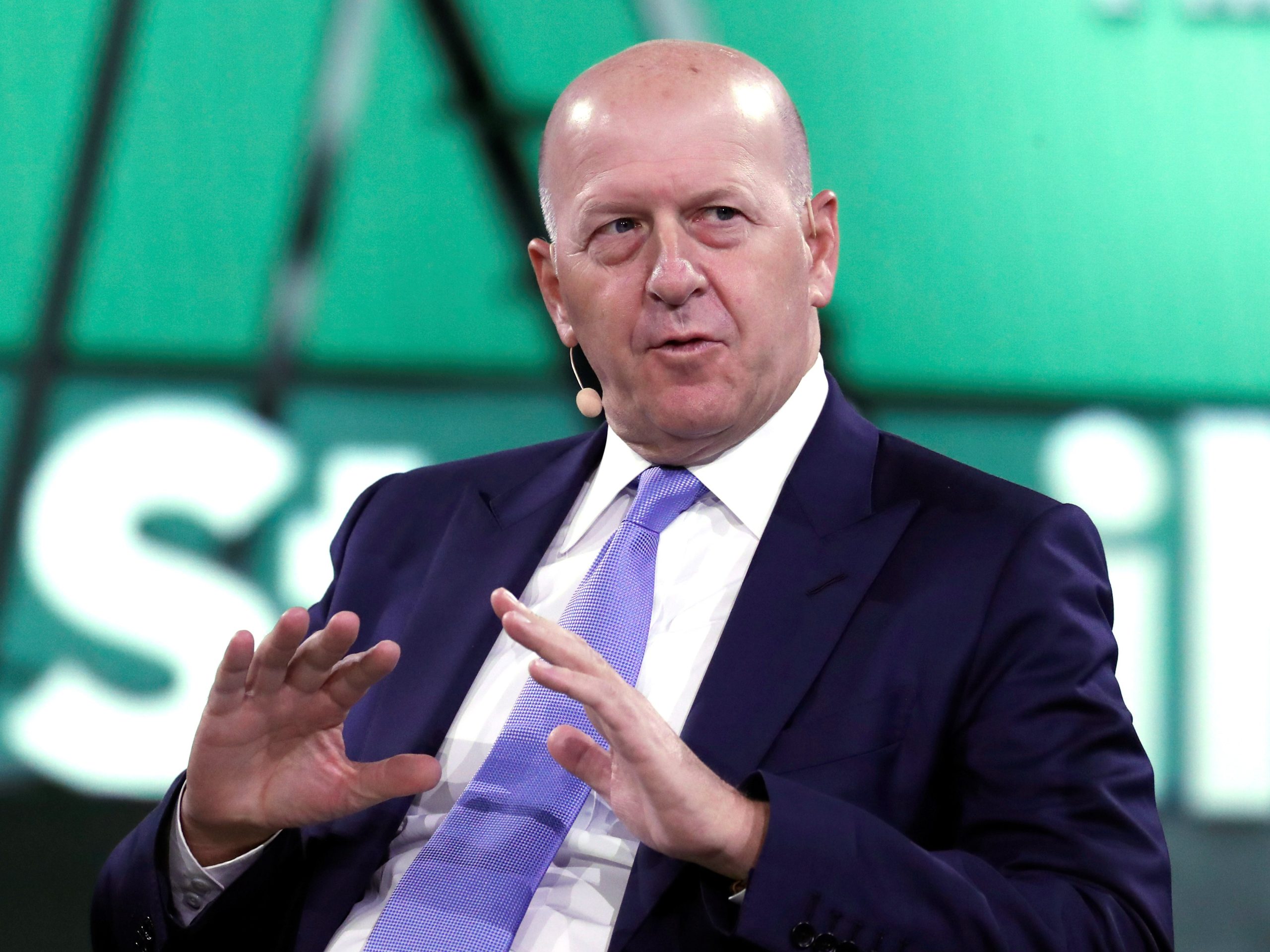
About 20 top executives at Goldman Sachs are set to split a massive $500 million bonus pool, with Chief Executive Officer David Solomon projected to receive more than $100 million before tax. According to recent reporting, these distributions rank among the largest single executive payouts for a publicly traded Wall Street firm in recent years, reflecting a monumental period of financial growth and share price appreciation for the prominent investment banking institution.
What Changed
Under a specialized long-term compensation framework, Goldman Sachs leadership is capturing extraordinary payouts following the conclusion of a rigorous five-year testing period that wrapped up in October 2026. CEO David Solomon leads the group with an expected gross payout of more than $100 million before tax. Chief Operating Officer John Waldron is slated to pick up just north of $66 million.
The broader group of approximately 20 beneficiaries features key division chiefs, including Ashok Varadhan, Dan Dees, and Marc Nachmann. The distribution of this $500 million pool was determined by strict performance metrics established years prior. Specifically, half of the bonus allocation depended on hitting ambitious company share price targets, while the other half required Goldman Sachs to outperform six hand-picked rival banking institutions, trailing only Bank of New York Mellon, which is run by Robin Vince.
Context and Historical Origins
Compensation programs of this scale trace their roots back to the highly dynamic market environment of 2021. During that period, JPMorgan Chase CEO Jamie Dimon secured an executive award now valued at around $270 million. That high-water mark prompted the Goldman Sachs board to create its own bespoke program, known as the ‘Shareholder Value Creation Awards’, designed to lock in critical leadership and align executive incentives directly with long-term shareholder value creation.
Initially, the Goldman board granted Solomon performance-based stock with a target value of $30 million and allocated Waldron a $20 million slice. The board subsequently expanded the initiative to encompass roughly 20 top-tier leaders across the enterprise. While these gross totals are striking, they occupy a specific place in Wall Street compensation history. They remain beneath the inflation-adjusted peak set back in 2007, when then-Goldman CEO Lloyd Blankfein received a then-record $67.9 million bonus, an amount equivalent to roughly $110 million when adjusted for inflation.
Sector Impact and Business Implications
These executive windfalls arrive against the backdrop of an unprecedented financial boom across the broader banking sector. According to state Comptroller Tom DiNapoli, Wall Street as a whole is on track to generate record-breaking profits of $90 billion this year, marking a staggering increase of nearly 40% compared to the previous year.
Goldman Sachs stock has enjoyed a corresponding surge, hovering around $902. This represents a dramatic climb from October 2018 when David Solomon first took the helm of the firm, at which time shares traded near $225. Across Solomon’s tenure, Goldman shares have roughly quadrupled in value.
Simultaneously, the firm has layered additional long-term incentives on top of these performance awards. In January 2025, Solomon and Waldron received an additional $80 million retention package structured with a strict five-year cliff that prevents payout until 2030, underscoring the board’s emphasis on multi-year stability and leadership continuity.
Risks, Tax Realities, and Limitations
While the headline numbers associated with the pool are immense, government tax authorities will claim a major share of the proceeds. Performance-related bonuses are classified and taxed as ordinary income the very second they vest. For top-bracket earners residing and working in New York City, combined federal, state, and city income tax rates top out at over 54%.
Consequently, taxation could wipe out more than $50 million of Solomon’s individual payout, roughly $35 million of Waldron’s bonus, and approximately $250 million in total across the entire $500 million pool. Furthermore, exact tax liabilities and final payout totals remain subject to final tax calculations and precise vesting values at the moment of distribution.
What to Watch Next
Market analysts, institutional investors, and regulatory watchers will examine upcoming corporate disclosures to evaluate how these substantial equity and cash distributions flow through the bank’s compensation expenses. Goldman Sachs is scheduled to release its third-quarter earnings report the week following this disclosure, offering further transparency into the firm’s overarching financial health and operational momentum during a historically lucrative period for Wall Street.
Summary of Key Figures
- Total Bonus Pool: $500 million distributed among approximately 20 top bosses.
- CEO Payout: David Solomon is set to receive over $100 million before tax.
- COO Payout: John Waldron is set to collect just north of $66 million before tax.
- Tax Impact: Estimated tax burdens will consume roughly $250 million of the total pool due to tax rates exceeding 54% for top New York City earners.
- Stock Performance: Goldman shares hover around $902, having quadrupled since Solomon became CEO in October 2018 at $225.