
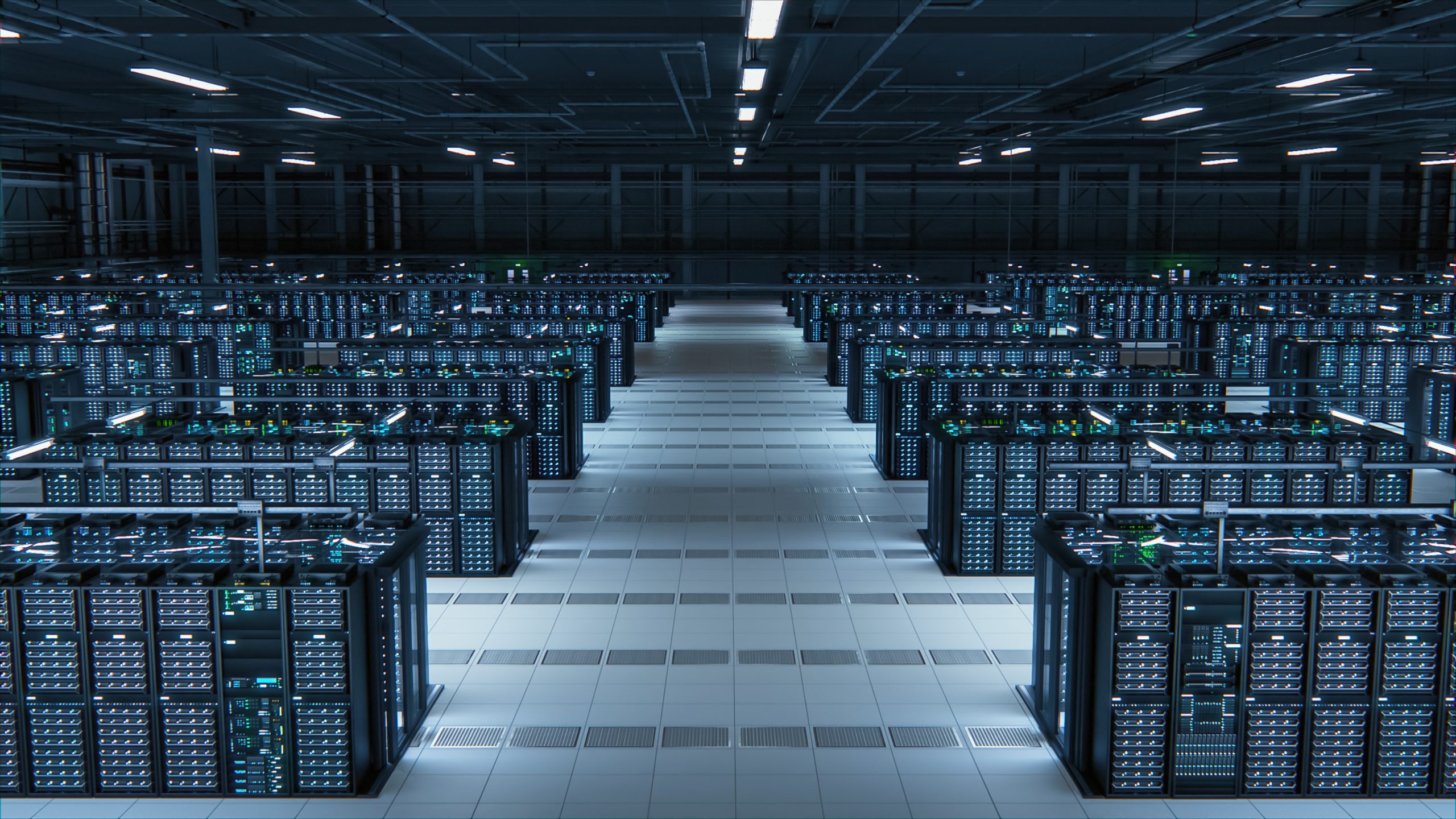
As artificial intelligence infrastructure scales to unprecedented levels, traditional hardware configurations are hitting physical limits. While graphics processing units command major headlines, a 175-year-old glass manufacturer has emerged as an unexpected market leader. Corning stock rose 82% in 2026, while Nvidia stock gained 28% up to Monday, Oct. 5, 2026. This dynamic performance shift highlights a fundamental transition in how modern data centers handle massive computational workloads.
What Changed in Data Center Architecture
For years, standard data center setups relied heavily on copper cabling to handle intra-rack connectivity. A typical Nvidia NVLink 72 data center rack includes 72 GPUs, 36 CPUs, and two miles of copper cables. However, as artificial intelligence clusters scale to 130,000 or more GPUs, copper cables face severe physical constraints regarding heat, distance, and data transmission efficiency.
To solve this bottleneck, data center architects are shifting toward fiber-optic cables. Corning developed a specialized portfolio of optical connectivity products under the brand GlassWorks AI Solutions. This includes Multicore Fiber (MCF), which packs four cores into a single 125-micron strand. Clusters of 130,000 or more GPUs typically require an extra optical layer adding about 50% more fiber content, creating massive demand for advanced optical manufacturing.
Financial Performance and Revenue Growth
Corning’s pivot toward artificial intelligence infrastructure is reflected directly in its financial results. The company generated $9.1 billion in core revenue during the first half of 2026, which ended on June 30, marking an 18% increase year-over-year.
Specific business segments tied to optical networking showed even sharper acceleration. Corning’s optical communications segment contributed $3.9 billion in revenue in the first half of 2026, growing at 34%, with second-quarter AI-related sales almost doubling. Furthermore, the optical communications business delivered $825 million in net income in the first half of 2026, up 84% year-over-year.
Corporate projections indicate this momentum will continue. Corning expects annualized AI-related demand to drive revenue to $20 billion by the end of 2026, $30 billion by the end of 2028, and $40 billion by the end of 2030.
Key Benefits and Technical Advantages
Corning’s shift to optical fiber presents a big opportunity due to faster data transmission and better energy efficiency. Multicore Fiber is four times as dense as traditional fiber-optic cable, enabling operators to achieve the same performance with 75% fewer cables.
This density reduction simplifies physical rack management inside hyper-scale data centers. Furthermore, high demand gives Corning the ability to dictate prices, acting as a massive tailwind for profit margins. As AI companies race to build larger clusters without hitting thermal or bandwidth ceilings, advanced optical connectivity has become a non-negotiable component.
Strategic Partnerships and Customer Base
Corning’s growth is anchored by major commercial agreements with leading artificial intelligence hyperscalers. The company is working with AI companies including Nvidia, Meta Platforms, and Amazon. Meta plans to buy $6 billion worth of optical connectivity solutions from Corning over the next few years, and the Amazon deal could be worth a similar amount.
These relationships tie Corning’s manufacturing output directly to the capital expenditure cycles of the world’s largest technology enterprises, securing long-term demand visibility.
Valuation and Market Implications
Despite its stellar performance, investors must evaluate Corning’s valuation relative to its historical metrics and market peers. Corning delivered adjusted (non-GAAP) earnings of $2.87 per share over the last four quarters to June 30, resulting in a price-to-earnings ratio of 55.5. For comparison, Nvidia’s P/E ratio sits at 30.2.
If Corning doubles annual revenue by 2030, earnings could grow at a similar rate, making the stock attractive on a forward basis. However, analysts note potential entry points. If Corning stock were to suffer a decline of around 30% from its current price of $159 amid a correction in the broader market, that could represent a better buying opportunity for long-term investors.
Limitations and What to Watch Next
While optical connectivity is critical for next-generation AI clusters, risks remain. Manufacturing advanced Multicore Fiber at scale requires precise technical execution, and any supply chain disruptions could impact delivery timelines. Additionally, valuation compression remains a risk if hyperscalers adjust their capital expenditure growth rates in future fiscal years.
Market observers will monitor quarterly optical communications revenue growth, the execution of the Meta and Amazon supply agreements, and broader macroeconomic conditions affecting semiconductor and hardware supply chains through the remainder of 2026.