
Factual Lead
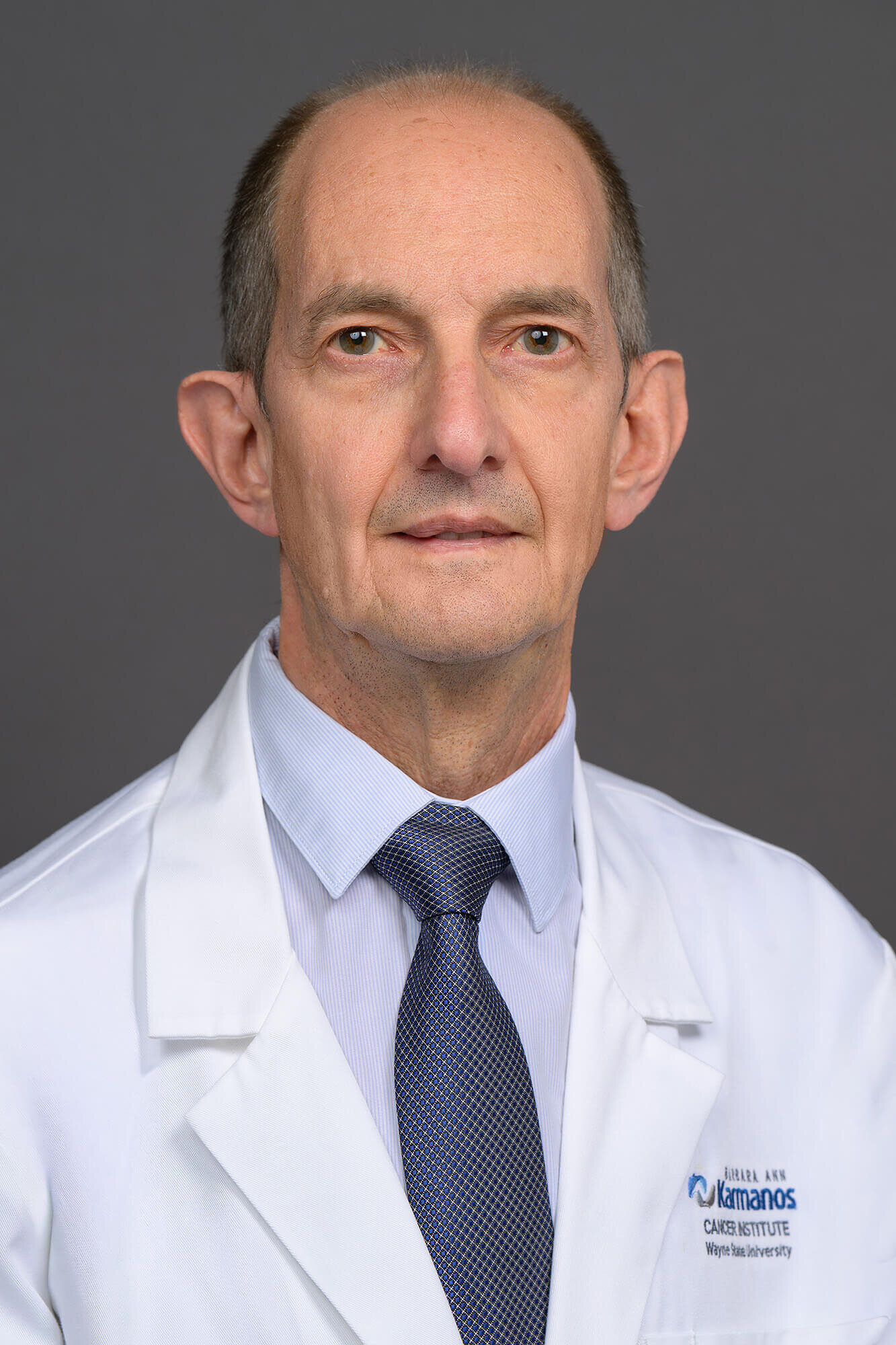
The Barbara Ann Karmanos Cancer Institute in Detroit has welcomed Dr. Stefan C. Grant to its leadership team in September. Dr. Grant assumes multiple critical roles within the institution, including associate center director and medical director of the Karmanos Cancer Network, vice chair of clinical operations, co-leader of the Thoracic Oncology Multidisciplinary Team (MDT), and member of the Phase I Clinical Trials MDT.
The integration of Dr. Grant into the institute brings three decades of clinical trial leadership and lung cancer expertise to the organization. His arrival marks a strategic expansion of executive oversight for Karmanos, particularly regarding oncology service lines and clinical trial accessibility across regional health facilities in Michigan.
What Changed
The position of associate center director and medical director of the Karmanos Cancer Network represents a newly established role within the Institute. In this capacity, Dr. Grant takes direct charge of overseeing oncology operations and service line management across Karmanos’ 13 additional locations situated throughout Michigan outside of the metro Detroit area.
In addition to his network-wide operational duties, Dr. Grant shares leadership responsibilities for the Thoracic Oncology Multidisciplinary Team, working alongside David Sternberg, M.D. He also contributes his expertise to the Phase I Clinical Trials Multidisciplinary Team, reinforcing the institution’s ongoing commitment to early-phase investigative therapies and comprehensive cancer care delivery.
Context and Institutional Background
Dr. Grant joins Karmanos with a rich and diverse professional background spanning prominent academic medical centers and cancer research institutions across the United States. Prior to his appointment in Detroit, Dr. Grant served in several high-profile leadership positions.
His previous administrative and clinical roles include serving as co-director of the Louisiana Cancer Research Center in New Orleans, director of Tulane Cancer Center, and division chief of Hematology Oncology at Tulane University School of Medicine. Furthermore, he has held significant leadership roles at Wake Forest Baptist Medical Center, the University of Alabama at Birmingham, and Memorial Sloan-Kettering Cancer Center.
Dr. Grant’s educational credentials reflect a multifaceted academic portfolio. He holds degrees including MBBCh, M.D., J.D., MBA, and FACP. His postgraduate training included a residency at Albert Einstein Medical Center and a fellowship at Memorial Sloan-Kettering Cancer Center.
Business and Operational Implications
The creation of the associate center director role is designed to streamline administrative alignment and elevate the standard of clinical trial availability across the entire Karmanos Cancer Network footprint. By centralizing oversight of the 13 regional locations in Michigan outside metro Detroit, the institute aims to scale its research capabilities directly into community settings.
Institute leadership notes that this structural evolution addresses a vital logistical hurdle for patients seeking advanced oncology interventions. Creating this dedicated medical director and associate center director position helps ensure that network locations maintain high-quality, compliant, and high-impact clinical trials locally.
This operational strategy is intended to eliminate the necessity for regional patients to travel to Detroit simply to participate in cutting-edge trials. By bringing advanced studies closer to home, the health system anticipates greater patient participation and more equitable access to specialized thoracic oncology solutions.
Leadership Perspectives and Statements
Reflecting on his decision to join the Detroit-based institution, Dr. Grant pointed to the organization’s core research philosophy and patient-centered focus. “It is due to Karmanos’ commitment to advancing cancer research, expanding access and opportunity to clinical trials throughout the Network, and delivering the highest-quality, patient-centered care, that I have decided to dedicate the next chapter of my career at this institution,” Dr. Grant stated.
Institute executives highlighted the rationale behind establishing the new network leadership role. “Creating the position of associate center director and medical director will help ensure that our Network locations have these additional high-quality, compliant and high-impact clinical trials available to their patients, without the need to travel to Detroit in order to participate,” leadership explained.
Dr. Grant further underscored the mission-driven approach of the clinical teams at Karmanos. “When patients come to Karmanos, they know they are entrusting their care in the hands of oncologists who not only treat but also work to find solutions to issues with the standard of care and assist in studying new therapies,” he noted.
Sector Impact and Regional Reach
The expansion of specialized thoracic medical oncology leadership impacts both academic medicine and community-based oncology delivery in Michigan. Thoracic malignancies, including lung cancer, require complex multidisciplinary evaluations that blend surgical, radiation, and medical oncology perspectives.
By co-leading the Thoracic Oncology MDT alongside David Sternberg, M.D., and participating in Phase I Clinical Trials, Dr. Grant helps bridge early-stage scientific discovery with practical bedside execution. The 13 network locations operating outside metro Detroit stand to benefit directly from standardized clinical protocols, enhanced trial infrastructure, and coordinated specialty oversight.
Who May Be Affected
Cancer patients across Michigan are directly affected by this administrative and clinical enhancement. Specifically, individuals diagnosed with thoracic cancers who receive care at Karmanos network locations outside metro Detroit gain improved access to sophisticated clinical evaluations and novel therapeutic options locally.
Additionally, medical personnel, clinical research coordinators, and regional oncology teams operating across Karmanos’ extended Michigan footprint will coordinate under Dr. Grant’s operational guidance. Wayne State University School of Medicine clinical environments and affiliated teaching networks may also experience collaborative synergies tied to his extensive academic background.
Limitations and Uncertainties
While the establishment of the associate center director role creates a clear framework for network expansion, successful execution depends on continuous regulatory compliance, staff training, and resource allocation across all 13 regional sites. The brief notes no specific clinical trial outcomes or pricing data, keeping evaluations focused strictly on administrative restructuring and leadership capabilities.
What to Watch Next
Industry observers and healthcare analysts will monitor the pace at which clinical trials are activated across Karmanos’ 13 regional Michigan locations following Dr. Grant’s appointment. Key performance metrics will likely track trial enrollment volumes outside metro Detroit, the integration of thoracic oncology service lines, and ongoing multidisciplinary collaborations across the expanded network.