
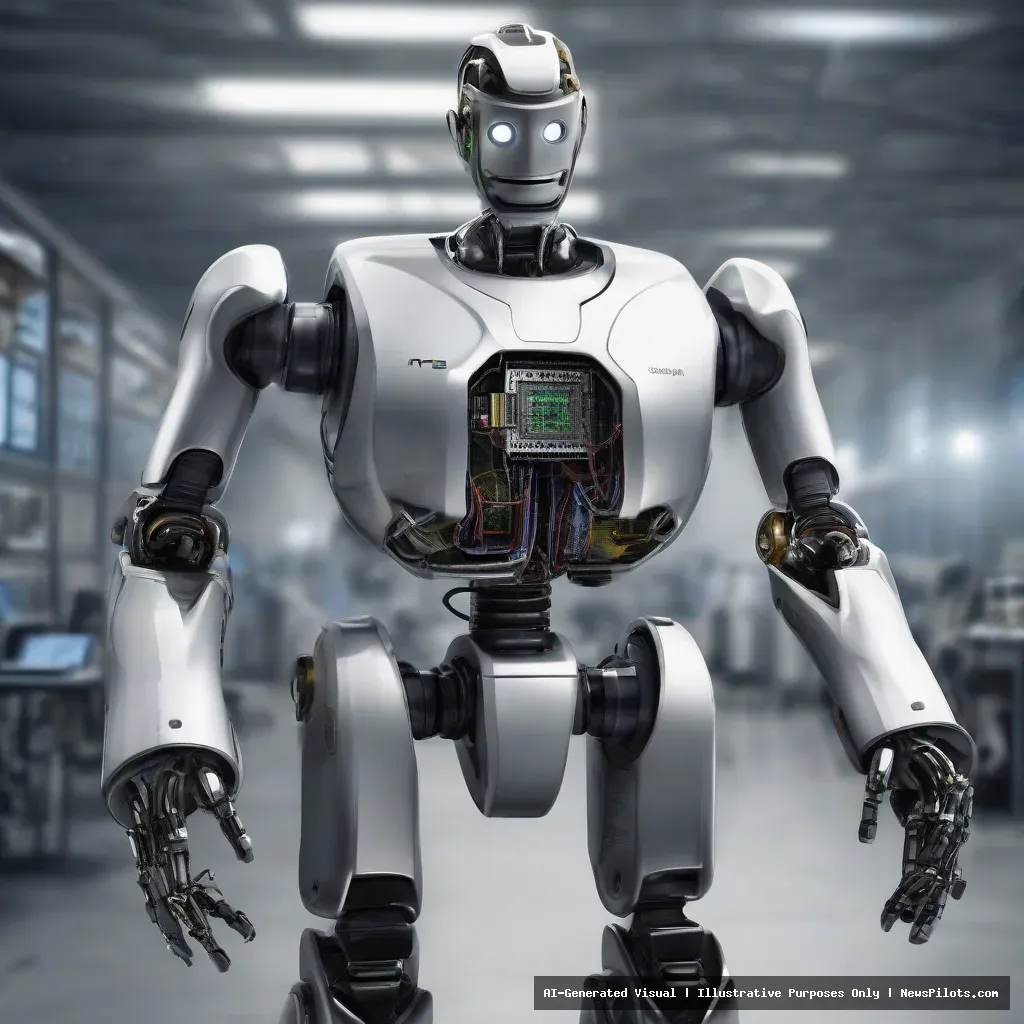
In early 2024, Beijing hosted a spectacle that combined cutting‑edge robotics with the spirit of sport: the inaugural Robot Olympics. The event drew global attention as humanoid machines performed tasks ranging from sprinting to complex coordination routines.
What the Robot Olympics Entailed
The competition showcased a range of robot designs, many of which were developed by Chinese companies and research institutions. Participants were tested on speed, agility, and precision, mirroring traditional Olympic sports. The highlight was a 100‑meter sprint where a Chinese humanoid robot clocked a time that surpassed Usain Bolt’s long‑standing world record.
Record‑Breaking Performances and Spectacular Crashes
While the robots demonstrated unprecedented speed—outpacing elite human sprinters—their performances were not without mishaps. Several machines crashed during the final rounds, a reminder that even highly engineered systems can falter under competitive pressure. These incidents were widely covered by local and international media, emphasizing the blend of triumph and unpredictability inherent in the event.
Economic Realities Behind the Glitz
Despite the dazzling displays, experts caution that commercial success for humanoid robots remains uncertain. Analysts note that the high cost of production and limited market demand could hinder profitability for manufacturers, especially in China where the industry is still maturing. This financial gap raises questions about the long‑term viability of large‑scale robot production.
Propaganda and National Pride
The Robot Olympics have been described by some commentators as a strategic showcase for national achievement. The event was positioned as a testament to China’s technological prowess, aligning with broader political narratives. This framing has sparked debate about the intersection of science, sport, and state messaging.
Potential Human Benefits
Beyond the spectacle, the technology underpinning the robots offers promising applications for society. The same sensors and actuators that allow a machine to sprint at record speeds could be adapted for assistive devices, enhancing mobility for people with disabilities. Moreover, the precision and reliability demonstrated in controlled environments suggest future uses in manufacturing, logistics, and even medical surgery.
Balancing Enthusiasm with Realism
The Robot Olympics have undeniably captured the imagination of audiences worldwide. Yet, the path from laboratory prototype to everyday tool is complex. The event has highlighted both the extraordinary capabilities of modern robotics and the practical challenges that must be addressed before these machines can become mainstream assets.
Looking Ahead
As developers refine their designs, the focus may shift from competitive spectacle to functional integration. If the lessons learned from the Robot Olympics are applied thoughtfully, the technology could transition from a display of engineering prowess to a catalyst for innovation across multiple sectors.
Related Articles
- Preferred Parking Data Breach Exposes Credit Card Numbers of Thousands of Customers
- India Approves DRDO Missile Technology Transfer to Private Industry, Boosting Local Defence Manufacturing
Original Source: The Conversation
What Happens Next?
The next phase of this development will be closely watched by industry participants, consumers and policymakers. robot olympics could influence future technology, business decisions and broader market trends. The practical impact will depend on implementation, cost, reliability, regulatory developments and how quickly the underlying technology evolves.