
Introduction: A New Chapter for Satellite Broadband
On October 1 2026, SpaceX’s satellite‑internet arm, Starlink, announced a beta program that could reshape how local communities access high‑speed connectivity. The initiative, called Starlink for Communities, invites property owners and local operators to install a single Starlink dish and router and then offer short‑term internet passes to nearby users. The program is designed to generate passive income for hosts while expanding broadband reach in areas that traditionally rely on wired or cellular networks.
What Is Starlink for Communities?
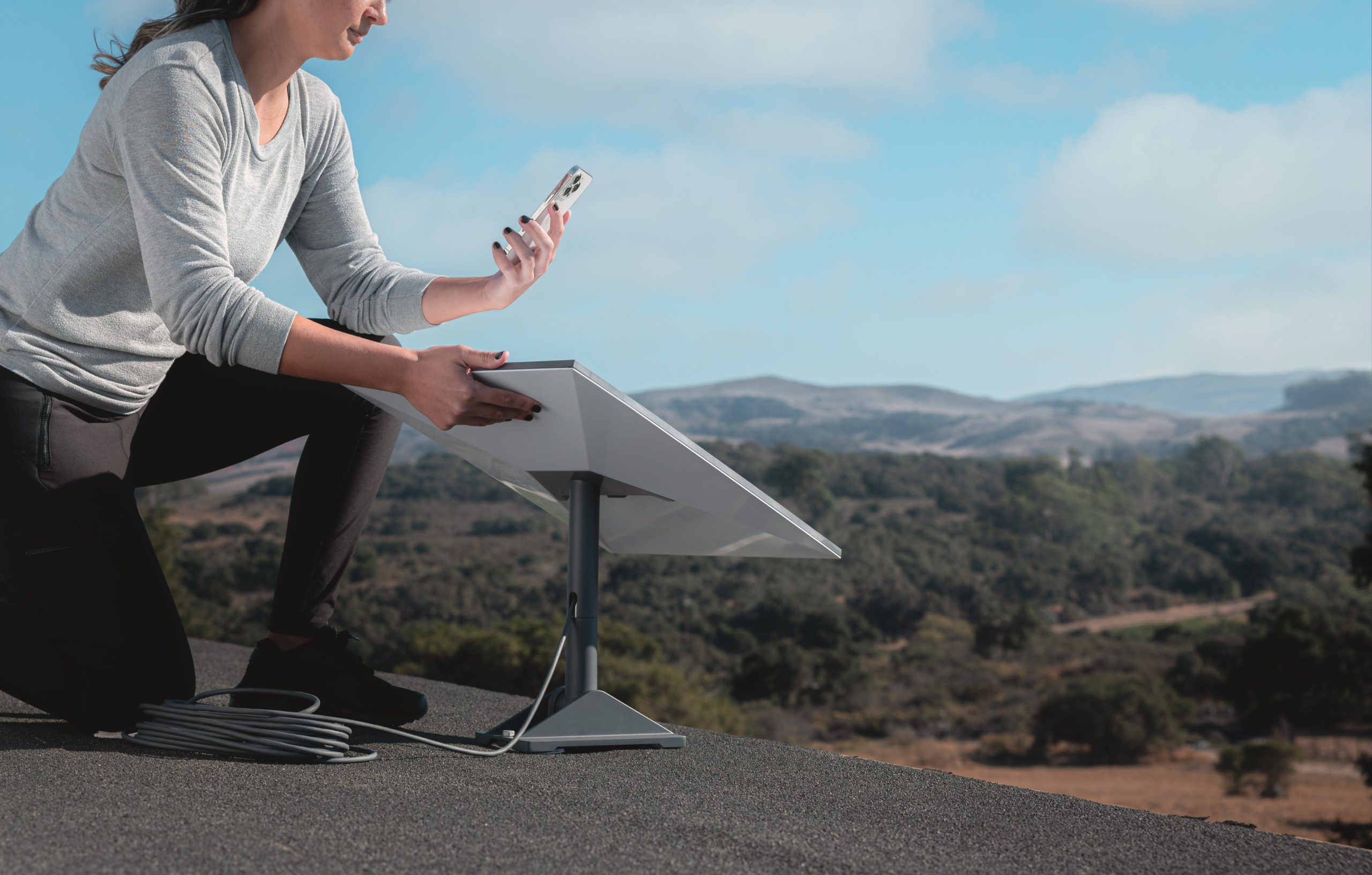
Starlink for Communities is a shared‑access model that turns one satellite kit into a small, local internet business. Hosts—such as apartment complex managers, campground owners, rural crossroads operators, or event venue coordinators—install a single dish and router. Nearby users can purchase hour, day, week, or month passes that grant them access to the network for one device, or up to four devices on a month pass. Starlink handles account creation, payments, access controls, and the satellite link itself, while the host manages the physical placement, power supply, and basic upkeep of the hardware.
How the Program Works
Starlink’s beta path is built around a revenue‑sharing model. Each paid connection triggers a split of the revenue between Starlink and the host. The host’s responsibilities are limited to ensuring the dish is correctly positioned, the router is powered, and the equipment remains in working order. Starlink’s platform takes care of user authentication, billing, and network management. Users buy short‑term passes through the Starlink app or website, and the host receives a portion of the proceeds for each transaction.
What Changed: From Individual Subscriptions to Shared Access
Traditional Starlink subscriptions require a dedicated user to sign up for a monthly plan that covers a single device. The new program shifts the model toward shared access, allowing a single subscription to serve multiple nearby users on a pay‑as‑you‑go basis. This change lowers the barrier to entry for users who only need temporary connectivity—such as travelers, event attendees, or short‑term renters—and provides a new revenue stream for hosts who can monetize idle bandwidth.
Technical Foundations: Dish, Router, and Satellite Link
Each host installs one Starlink dish and a compatible router. The dish communicates directly with the satellite constellation, delivering broadband speeds that can reach several hundred megabits per second under optimal conditions. The router then distributes the signal to local devices. Because the dish serves a single host, bandwidth is shared among the devices that purchase passes, but the overall capacity remains high enough to support typical consumer workloads. Starlink’s software manages traffic prioritization and ensures that each pass receives a fair share of the available bandwidth.
Business Implications: Passive Income for Property Owners
The program opens a new business model for property owners and local operators. By turning a single Starlink kit into a shared‑access service, hosts can generate passive income without significant ongoing effort. The revenue split is tied to each paid connection, so earnings grow with user demand. This model is particularly attractive in markets where broadband penetration is low or where temporary users—such as tourists or event participants—require reliable internet access.
Market Context: Echoes of Tesla’s Robotaxi Vision
Starlink for Communities mirrors a broader trend in which platforms own network management and billing while individuals supply physical assets. The brief notes that this model echoes the passive‑income vision long attached to Tesla’s Robotaxi plans, where the platform would handle dispatch and payments while owners provide the vehicles. While Tesla’s owner‑network version remains aspirational, Starlink’s approach demonstrates how a similar structure can be applied to satellite broadband.
Potential Benefits: Bridging Connectivity Gaps
By enabling short‑term passes, the program offers flexibility for users who do not need a long‑term subscription. Campground guests, travelers in rural crossroads, or attendees at temporary events can purchase an hour or day pass and enjoy high‑speed internet without committing to a monthly plan. For hosts, the ability to serve multiple users simultaneously can increase the utilization of the dish and improve return on investment. The model also supports underserved areas where traditional broadband infrastructure is sparse.
Limitations and Risks
While the program offers clear advantages, it also carries limitations. Because the dish serves a single host, bandwidth can become constrained during peak local demand, potentially affecting all users sharing the connection. Hosts must maintain the hardware and ensure a reliable power supply, which can be challenging in remote or temporary locations. The beta status of the program means that terms, availability, and performance parameters may evolve as Starlink gathers data from early adopters.
Timeline and Rollout
Starlink for Communities was announced on October 1 2026 by Sawyer Merritt on X. Host applications are currently being accepted in multiple countries, indicating a broad initial footprint for the beta deployment. The program’s beta phase will likely involve iterative updates based on host and user feedback, with potential expansion to additional markets once the model proves viable.
Who May Be Affected
Property owners, local operators, and individuals living in areas with intermittent or underserved connectivity stand to benefit from the program. Campgrounds, remote event organizers, rural community hubs, and apartment complexes can leverage a single subscription to serve a transient population without forcing temporary visitors into long‑term contracts. Nearby residents or travelers can access high‑speed internet on a flexible, pay‑as‑you‑go basis.
What to Watch Next
Key indicators for the program’s success include host adoption rates, user satisfaction with short‑term pass pricing, and the reliability of shared connections during high‑traffic events. Future updates from Starlink will likely clarify expansion plans beyond the initial beta countries and provide deeper insights into the long‑term economics of the revenue‑sharing model. Stakeholders should monitor how bandwidth is allocated during peak periods and whether the program can scale to meet growing demand.
FAQ
- What is Starlink for Communities? It is a beta program that lets property owners and local operators turn a single Starlink kit into a shared‑access business, allowing nearby users to buy short‑term internet passes.
- How do users purchase access? Users can buy hour, day, week, or month passes. Hour, day, and week passes cover one device, while a month pass covers up to four devices.
- How do hosts earn money? Earnings are tied to each paid connection through an ongoing revenue split with Starlink. Hosts manage hardware placement, power, and basic upkeep.
- Where can I apply to become a host? Host applications are currently accepted in multiple countries; interested parties should check the Starlink website for the latest eligibility information.