
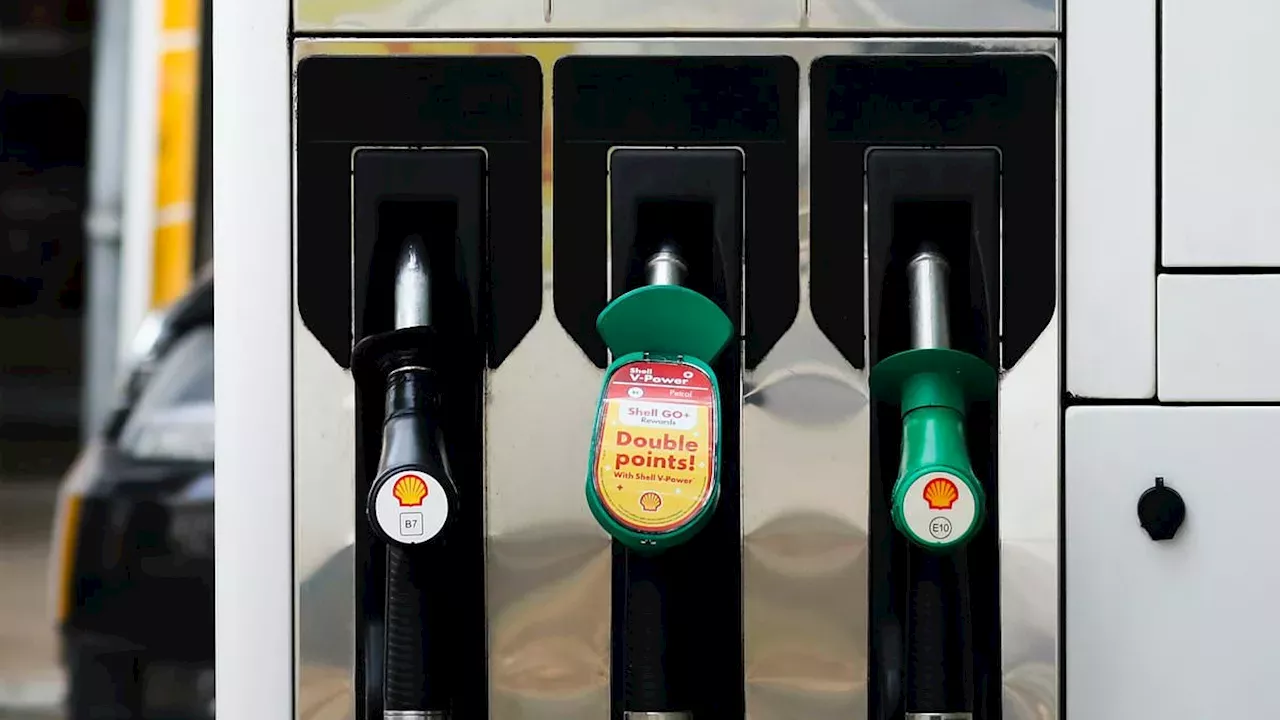
UK diesel prices reached a record 199.18p per litre, confirmed by the RAC, surpassing the previous peak of 199.09p set in June 2022. This milestone arrives amidst intense global market pressures driven by the ongoing US-Iran conflict, which has pushed Brent Crude to top $108 a barrel overnight. As British motorists face mounting financial strain, international policy decisions, particularly potential export restrictions from the United States, threaten to further destabilize European energy markets.
What Changed
The landscape of UK motoring costs has shifted dramatically following sustained geopolitical turbulence. Filling up an average family car with diesel now costs almost £110, representing an increase of £31 compared to the start of the US-Iran conflict. Concurrently, unleaded petrol stands at 174.13p per litre on average, up 41p since the war began, bringing a full tank to nearly £96.
At the macro level, Brent Crude topped $108 a barrel overnight. This surge in underlying crude prices directly feeds into refined petroleum products, setting the stage for record pump prices across British forecourts. Compounding these pressures, President Donald Trump stated he is considering restricting US fuel exports to keep costs down for American consumers ahead of November midterm elections. While the extent of any US export limits remains unclear, the administration is evaluating the policy carefully, with Trump noting that such export controls can sometimes lead to localized price adjustments.
Context and Global Market Pressures
The current crisis traces its immediate roots to the war involving the US and Iran, which severely disrupted global crude supply chains and elevated international energy benchmarks. Fuel pricing in the UK is heavily influenced by these global commodity shifts, but it is also tethered to domestic taxation structures.
Fuel duty generated £24 billion last year and currently accounts for 52.95p a litre of the price paid for both petrol and diesel. While Prime Minister Sir Keir Starmer pushed back a scheduled 5p fuel duty rise until the end of the year last May, motorists continue to shoulder immense tax burdens alongside raw material surges. Questions remain regarding whether Chancellor John Healey will act to curb costs for motorists in the Budget next month.
Sector Impact and Business Implications
The ripple effects of record-high diesel prices extend far beyond private motorists, deeply affecting commercial transport, logistics, and supply chains. RAC head of policy Simon Williams warned that increased operational costs for diesel lorries and vans will inevitably be passed on to consumers, driving up the price of goods across the board.
Economists have warned that US export curbs could reduce US diesel prices in the short term but might push them higher in the long term. More critically, economists caution that limiting supplies from the world’s largest exporter could push European countries into recession. Because diesel powers the commercial transport sector, any artificial restriction on global export flows strikes directly at the heart of industrial supply chains.
Addressing these international concerns at a Politico event during the Labour conference, Business Secretary Jonathan Reynolds stated that export curbs would be a significant concern to the UK. Reynolds noted, however, that the UK’s economic and energy resilience is supported by a diverse supply base.
Risks, Limitations, and Expert Warnings
The convergence of domestic tax structures and international export policies creates severe forecasting limitations for energy analysts. Experts fear that if US export curbs are enacted, they could have a devastating impact on British motorists, with some warning prices could reach £3 a litre.
Despite these dire warnings, the RAC emphasizes that immediate relief is unlikely. Simon Williams noted that only a sustained lower oil price over several weeks will lead to cheaper prices at the pumps. Temporary fluctuations in wholesale markets rarely translate to immediate relief for drivers filling up at local stations.
What to Watch Next
As the situation develops ahead of the November midterm elections in the United States, stakeholders across the transport and energy sectors are monitoring several critical variables:
- The official confirmation and precise terms of any US fuel export restrictions.
- The trajectory of Brent Crude prices following the overnight peak of $108 a barrel.
- Decisions from Chancellor John Healey regarding potential fiscal interventions in the Budget next month.
- Broader economic indicators assessing whether European nations face recessionary pressures from constrained fuel supplies.
British motorists and commercial fleet operators alike must navigate an environment of heightened volatility, where international political calculations directly dictate daily operational costs.