
Introduction
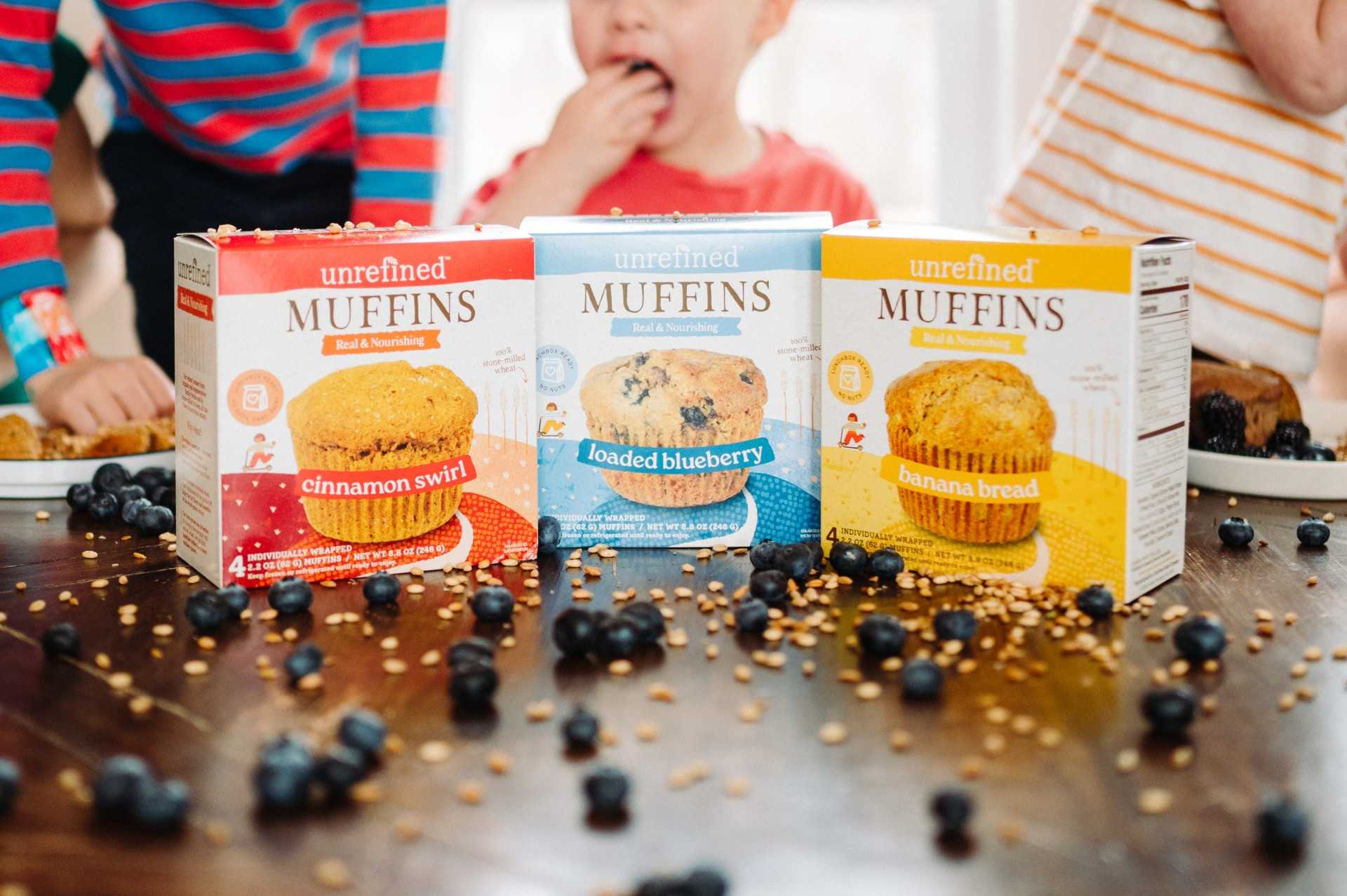
During the unprecedented disruptions of the pandemic lockdown, professional shifts and personal needs led many entrepreneurs to reimagine their daily routines. For Melissa Bermudez, a professional previously rooted in the food and agriculture industry, this period of isolation and expectation served as the catalyst for a major career pivot. While pregnant and focused on stocking her home freezer with nutritious options, Bermudez began experimenting repeatedly with a wholesome recipe. That baking initiative ultimately grew into Unrefined Foods, a commercial enterprise centered on whole grains, clean ingredients, and freezer-ready convenience.
As reported by WCVB and featured in local reporting by Doug Meehan on September 28, 2026, the journey from home kitchen experiments to commercial distribution highlights how consumer-focused food ventures can scale under the right conditions. This article examines the background, operational growth, business model, and broader motivations driving the Massachusetts-based company.
What Changed: From Home Baking to Commercial Scale
Melissa Bermudez’s relationship with baking began long before her company took shape. She recalls baking consistently from around the age of 8, starting with snickerdoodle cookies. However, the operational turning point arrived during the pandemic lockdown. Pregnant and seeking reliable, high-quality nourishment that could be stored efficiently, she began developing a specific style of muffin made with whole grains and clean ingredients.
Recognizing potential beyond her household, Bermudez tested her formulations at local farmers markets. These early public tests served as an interactive market research phase, allowing her to gauge consumer interest, verify taste preferences, and determine whether the frozen format provided a genuinely helpful solution for busy buyers. Encouraged by the response, she and her husband officially launched Unrefined Foods with a core mission: making good food accessible to people.
Business Implications and Production Expansion
To transition from a small-scale operation to a viable commercial enterprise, Unrefined Foods faced the classic scaling hurdles common to food startups. Initially, production was constrained by the physical limits of Bermudez’s local baking location. To meet growing consumer demand, the company expanded its production footprint to a larger industrial facility situated in Chelsea, Massachusetts.
This industrial relocation transformed the brand’s manufacturing efficiency. According to company insights, the Chelsea industrial facility can produce in about an hour what previously took Bermudez an entire week to make at her original location. This drastic compression of production time illustrates the vital role that co-packing or industrial baking partnerships play in enabling small direct-to-consumer food brands to scale distribution without sacrificing product consistency.
Key Benefits: Safety and School Accessibility
Operational scaling brought more than just increased volume. The Chelsea industrial baking facility is designated as a peanut- and tree nut-free facility. This specification provides critical operational advantages, particularly for distribution channels targeting families, children, and educational institutions.
Food allergies present major hurdles for school food programs and parent buyers. By operating within a dedicated peanut- and tree nut-free environment, Unrefined Foods mitigates cross-contamination risks, positioning its frozen, whole-grain muffins as a viable snack option for school environments where nut restrictions are strictly enforced.
Personal Motivation and Climate Considerations
Beyond commercial growth and operational logistics, the enterprise is deeply tied to personal values. Bermudez is a mother of three children. She views the establishment and operation of Unrefined Foods not only as a commercial endeavor but also as a proactive response to broader environmental concerns.
Reflecting on her motivations, Bermudez has noted her concerns regarding global climate challenges, describing a personal drive to take constructive action and build a legacy of effort for her children. This alignment of personal convictions with business practices reflects a broader consumer and entrepreneurial trend where founders integrate sustainability and clean-ingredient philosophies into their core business models.
Sector Impact and Market Context
The trajectory of Unrefined Foods sits within the broader landscape of pandemic-era entrepreneurial pivots. Many professionals utilized lockdown periods to reassess career paths, leveraging existing personal passions—such as baking—into scalable micro-enterprises. By focusing on frozen, nutrient-dense convenience foods utilizing whole grains, the company addresses a specific consumer demand for clean-label snacks that prioritize ease of storage.
Farmers markets continue to serve as vital incubators for food startups, offering low-barrier direct feedback loops before founders invest in industrial real estate or larger-scale distribution agreements.
Limitations and What to Watch Next
While the partnership with the Chelsea industrial facility has dramatically boosted production capacity—scaling a week’s worth of baking down to roughly an hour—emerging food brands face continuous challenges. Maintaining consistent ingredient sourcing, managing distribution logistics for frozen goods, and scaling marketing efforts beyond local farmers markets require sustained capital and operational focus.
Observers and consumers will watch how Unrefined Foods expands its retail footprint beyond its initial local markets, especially as the brand leverages its nut-free manufacturing capabilities to target school systems and broader regional grocery distribution networks.
Conclusion
The evolution of Unrefined Foods from a pregnant mother’s kitchen project during pandemic lockdown into an industrial-scale baking operation demonstrates the power of direct market validation and strategic manufacturing partnerships. Backed by clean ingredients, whole grains, and a commitment to accessibility, the company’s trajectory under Melissa Bermudez highlights a resilient model for modern food entrepreneurship.