
Introduction
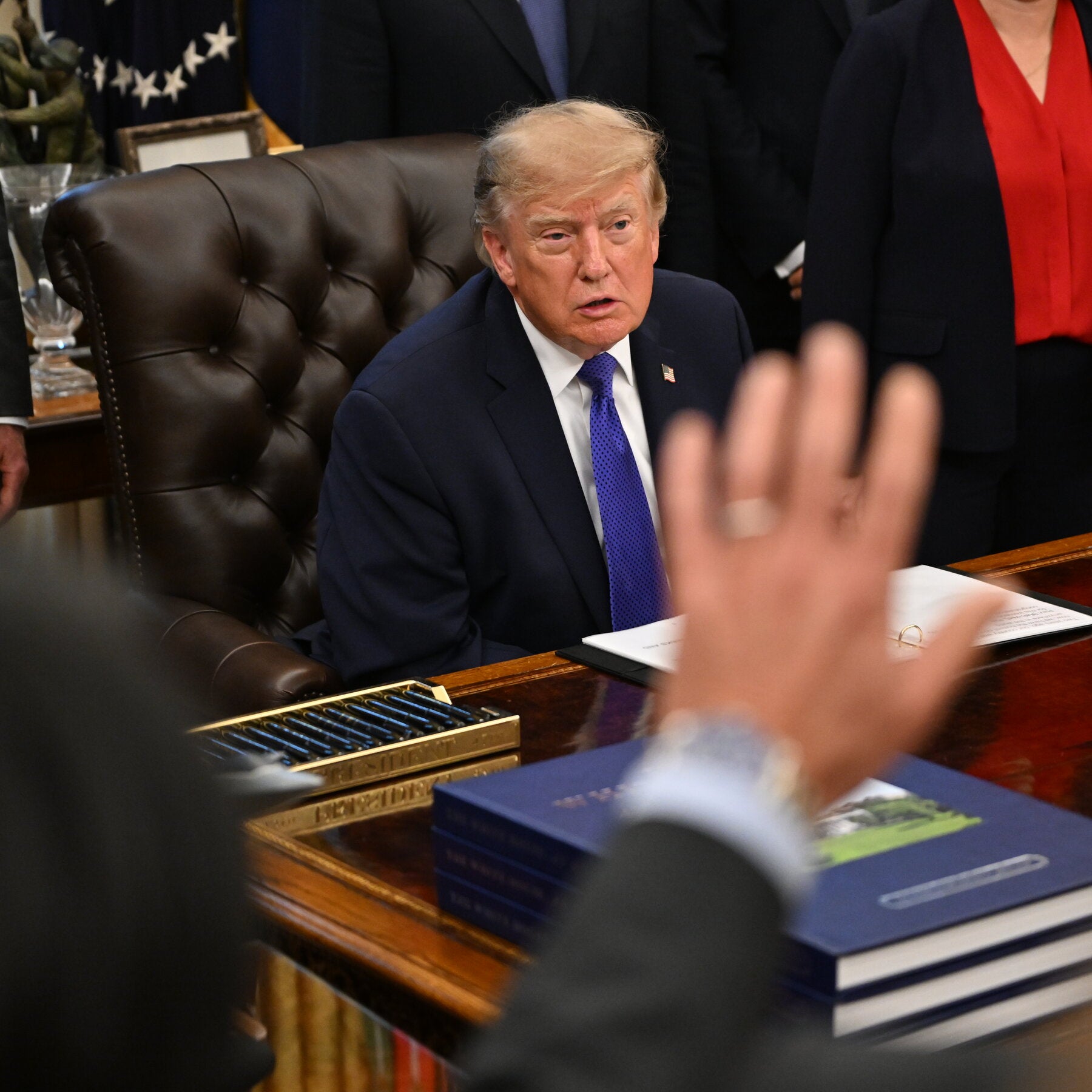
As political dynamics shift toward upcoming legislative battles, understanding how political messaging translates on the ground remains critical. President Trump is traveling the country and is expected to focus heavily on his economic accomplishments. Against this backdrop of high-stakes domestic tours, public sentiment presents a complex picture. While administration officials point to industrial developments like a planned steel mill in Iowa to showcase manufacturing growth, everyday Americans have expressed deep frustration with President Trump’s policies. Authored by Olivia Carter on September 30, 2026, this analysis examines the intersection of national economic narratives, local industrial projects, and the broader political landscape.
What Changed
The national political discourse has increasingly pivoted toward localized economic showcases as political figures prepare for upcoming midterms. President Trump’s itinerary features nationwide travel aimed at highlighting core economic achievements. Central to this messaging strategy is the spotlight on domestic infrastructure and heavy industry, underscored by discussions surrounding industrial initiatives such as a planned steel mill in Iowa. These visits represent a deliberate shift toward tangible, localized economic markers designed to counter growing public dissent and frame the administration’s financial record in concrete terms.
Context and Background
Economic messaging has long served as a cornerstone of national political campaigns, yet contemporary public reception is uniquely polarized. According to reporting and analysis by Olivia Carter, Americans have expressed deep frustration with President Trump’s policies, even as administration surrogates promote industrial revitalization. Industrial projects, particularly heavy manufacturing ventures in the Midwest, are frequently cited by proponents as evidence of policy efficacy. However, the connection between these high-level national narratives and the daily economic realities faced by citizens remains a point of intense public debate and scrutiny.
Sector Impact
The heavy manufacturing and industrial sectors occupy a central position in contemporary political strategy. Projects like a planned steel mill in Iowa are frequently leveraged to symbolize domestic production growth and regional employment opportunities. Within the broader economic landscape, heavy industry serves as both a practical barometer for industrial policy and a rhetorical device for political messaging. Observers note that while industrial investments attract significant attention, their immediate impact on local labor markets and broader consumer sentiment can vary widely depending on execution, market conditions, and regulatory frameworks.
Business Implications
For corporate entities operating within manufacturing, construction, and heavy industry, political focus on local projects brings both visibility and complexity. Aligning business developments with broader national economic narratives can influence regulatory support, public relations, and regional stakeholder relations. However, executive leadership must navigate public skepticism and shifting political currents carefully. When major industrial developments are tied directly to broader political strategies, corporations can find themselves at the center of public debate regarding the efficacy of national economic policies.
Risks and Limitations
Analyzing the correlation between national political tours and specific local developments involves distinct limitations. As noted in research surrounding the topic, it remains uncertain whether President Trump’s travels and focus on economic accomplishments directly correlate to a specific midterm strategy involving a planned steel mill in Iowa, beyond what is suggested by headline framing. Furthermore, widespread public frustration indicates that localized industrial announcements may not universally shift broader voter sentiment. Economic indicators and public policy impacts are multifaceted, making direct cause-and-effect conclusions difficult to substantiate definitively.
Who May Be Affected
Multiple stakeholders are directly or indirectly touched by the alignment of industrial projects with national political strategies. Local communities in regions experiencing heavy industrial development face questions regarding employment, infrastructure demands, and environmental considerations. Additionally, voters across the country navigating economic pressures are targeted by national messaging campaigns. Business leaders, municipal policymakers, and political strategists also monitor these developments closely to gauge how local industrial milestones influence broader electoral outcomes.
What to Watch Next
As the political calendar advances toward the midterms, several key indicators will shape the narrative surrounding industrial policy and economic performance. Observers will monitor the progress of heavy manufacturing initiatives, including the status of a planned steel mill in Iowa, to determine their tangible economic footprint. Additionally, tracking shifts in public sentiment regarding President Trump’s economic policies will provide crucial insight into whether localized industrial spotlights successfully address broader voter frustrations.