
Factual Lead
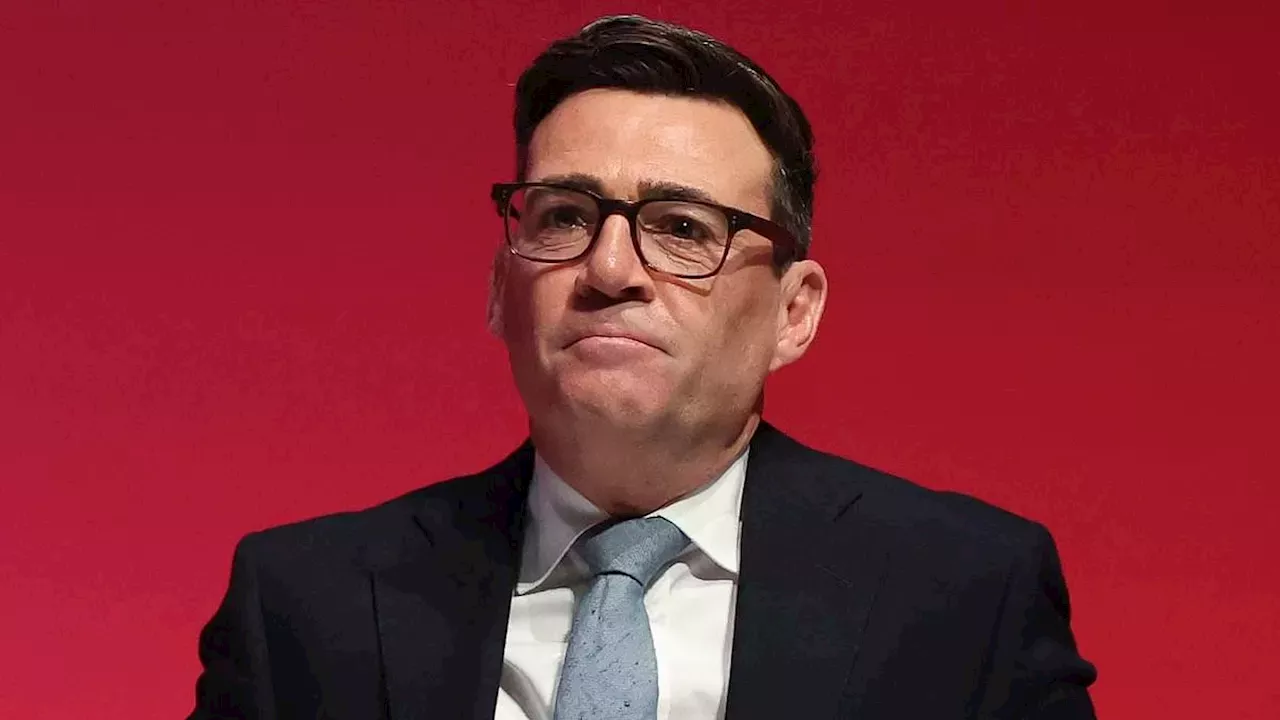
Andy Burnham has unveiled the Great British Grid, a state-owned electricity network operator designed to increase competition, speed up grid connections, and lower energy costs to European levels within a decade. The initiative marks a major shift in national infrastructure policy, establishing the first state-controlled network operator in the sector since the industry was privatised in the 1980s under Margaret Thatcher. Backed by a £4 billion allocation of taxpayer funds from Great British Energy, the plan seeks to address longstanding challenges in the nation’s power transmission infrastructure.
What Changed
The launch of the Great British Grid introduces direct public ownership back into the core of Britain’s electricity network architecture. While the industry has been operated by private entities for decades following privatizations under Margaret Thatcher in the 1980s, this new publicly owned company will step in to direct and manage grid operations. According to the announcement, the initiative forms part of a broader nationalisation agenda pursued by Labour that also encompasses state control over water and housing sectors.
Rather than operating entirely in isolation, the new state-controlled network operator is structured to collaborate with existing private companies and network operators. Crucially, the framework includes provisions allowing businesses to self-build their own infrastructure where possible, blending public oversight with specific commercial self-determination.
Context
Proponents of the state-controlled network argue that the legacy structure of Britain’s energy system has failed to meet modern economic demands. Supporters point out that Britain’s energy system was crippling both households and businesses with costs that lag behind other European nations. Energy Secretary Miatta Fahnbulleh praised the move, describing it as an important step toward repairing decades of policies that stripped the public of control over essential services.
The initiative draws financial backing from a £4 billion pot of taxpayer money originally earmarked for Great British Energy. This funding is intended to fuel the infrastructure upgrades and operational capabilities necessary to handle rising capacity demands and modern energy integration.
Business Implications
For commercial enterprises and heavy industrial operations, the introduction of the Great British Grid carries substantial operational implications. The network operator is tasked with speeding up grid connections and accelerating the deployment of electricity connections for businesses and large infrastructure projects.
Protracted waiting times for grid access have historically acted as a major bottleneck for commercial development, renewable energy projects, and industrial expansion. By introducing self-build rights for businesses alongside state-backed network management, the policy aims to unlock stalled commercial initiatives and streamline how large infrastructure connects to power supplies.
Sector Impact
The energy sector faces a profound structural shift with the entry of the first state-controlled operator in decades. Proponents contend that the initiative will boost competition and ultimately lower energy costs to European levels within a decade. Lower energy overheads are viewed as a vital remedy for British industries struggling against international competitors burdened by lower utility costs.
However, whether the government’s new public-private partnership will succeed in cutting costs, speeding connections, and boosting investment remains to be seen. The balancing act between public mandates and private sector collaboration will dictate how smoothly legacy operators and the new state entity integrate.
Risks or Limitations
The plan has drawn immediate pushback from political opponents and policy analysts. Senior Conservative MP Andrew Bowie criticized the plan as gridlock and a new quango, voicing concerns over government overreach and public sector bloat.
Critics argue that the state would be less efficient at managing the network than private operators and that it would stifle competition and increase costs. Echoing these concerns, Sam Richards, CEO of Britain Remade, stated that the real solution lies in local pricing mechanisms and planning reform, rather than the creation of another bureaucratic body. Opponents maintain that adding a state-owned layer of management may compound administrative delays rather than eliminate them.
Who May Be Affected
- Households: Consumers facing high utility expenses may see lower energy costs over the coming decade if the initiative achieves its pricing targets.
- Commercial Enterprises & Large Infrastructure Projects: Businesses requiring power connections stand to benefit from accelerated grid deployment timelines and self-build rights.
- Private Network Operators: Existing private utility and grid companies will need to adapt to collaborating with a state-owned counterpart.
- Taxpayers: The public shoulders the initial financial backing through the £4 billion allocation tied to Great British Energy.
What to Watch Next
Observers will monitor the formal legislative and structural establishment of the Great British Grid, particularly how it coordinates its £4 billion funding allocation with Great British Energy. Key milestones will include the formal establishment of collaboration guidelines with private network operators, the rollout of business self-build frameworks, and early metrics tracking whether connection speeds and energy pricing begin shifting toward European benchmarks.